Dive Sites
Dive Sites of the Strait of Bonifacio
Eleven kilometres of open water separate Corsica from Sardinia. Everything the Mediterranean moves between its western basin and the Tyrrhenian is funnelled through that gap — and so is almost everything worth diving here.
- 28
- dive sites
- 4
- Areas
Explore other areas
Lavezzi & the Strait of Bonifacio
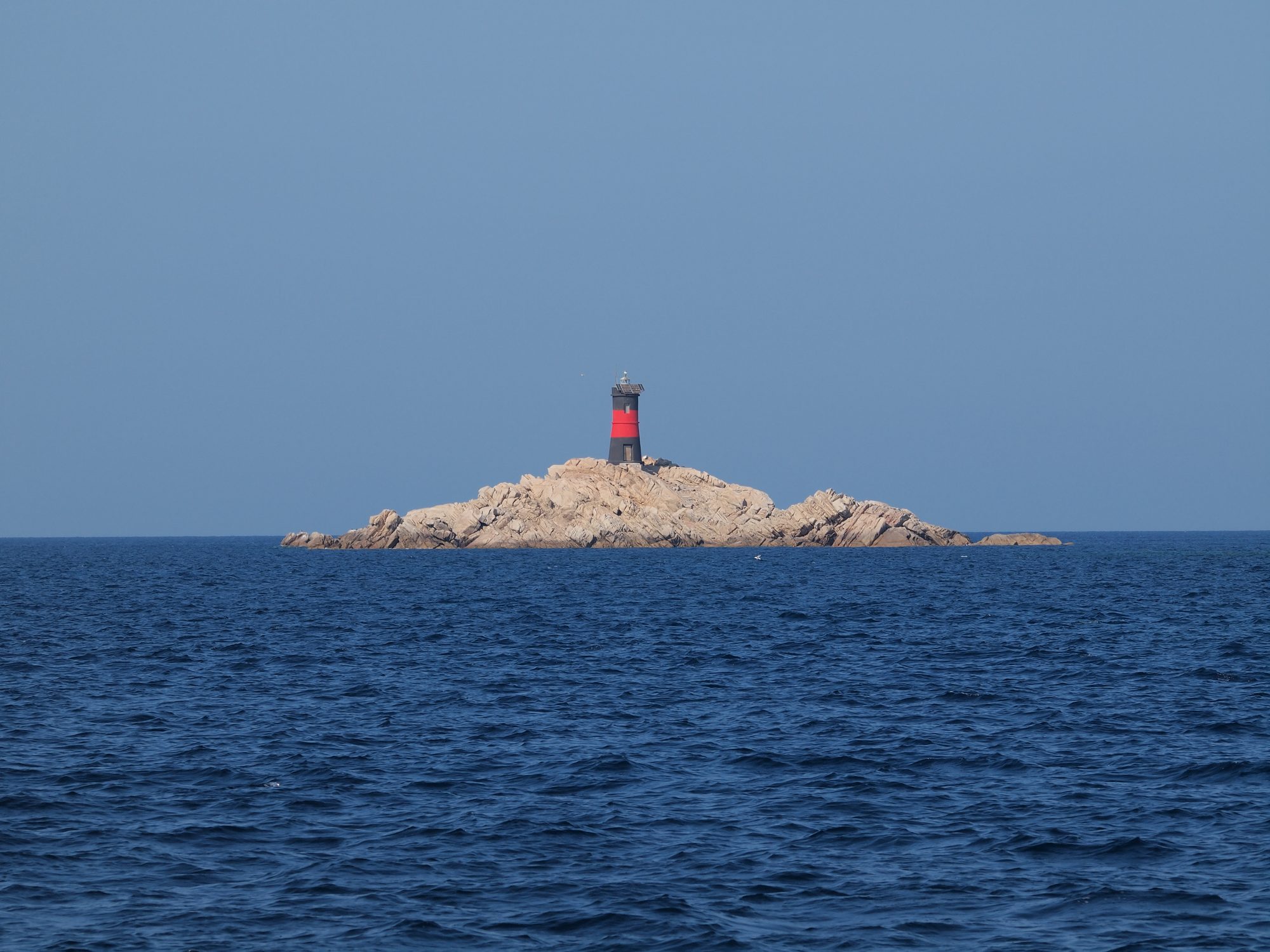
our home water. Granite shoals, offshore beacons and a resident grouper population inside a national nature reserve.
Bonifacio & the Limestone Coast
white cliffs, shallow turquoise water, and the sheltered alternative when the Strait is working.
Capo Testa & Punta Falcone
the Sardinian shore, ten kilometres south: granite architecture, a coralligenous deep reef, and the most approachable wreck in the region.
La Maddalena Archipelago
pink granite, red gorgonian walls and the offshore seamounts of a national park.
Dive Sites
Featured Dives
Our signature dives: the sites we would take a visiting diver to if they had one week and good weather.
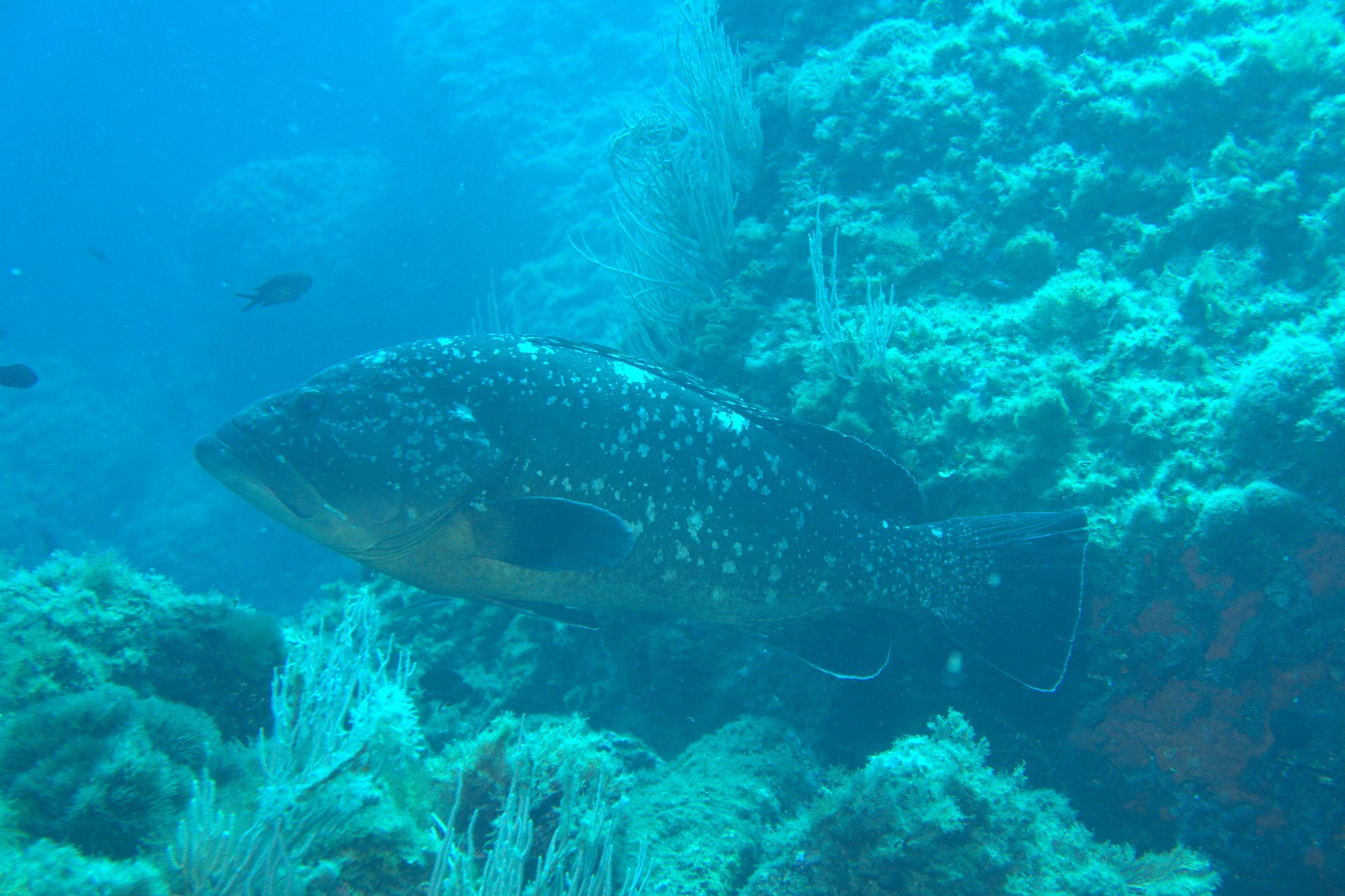
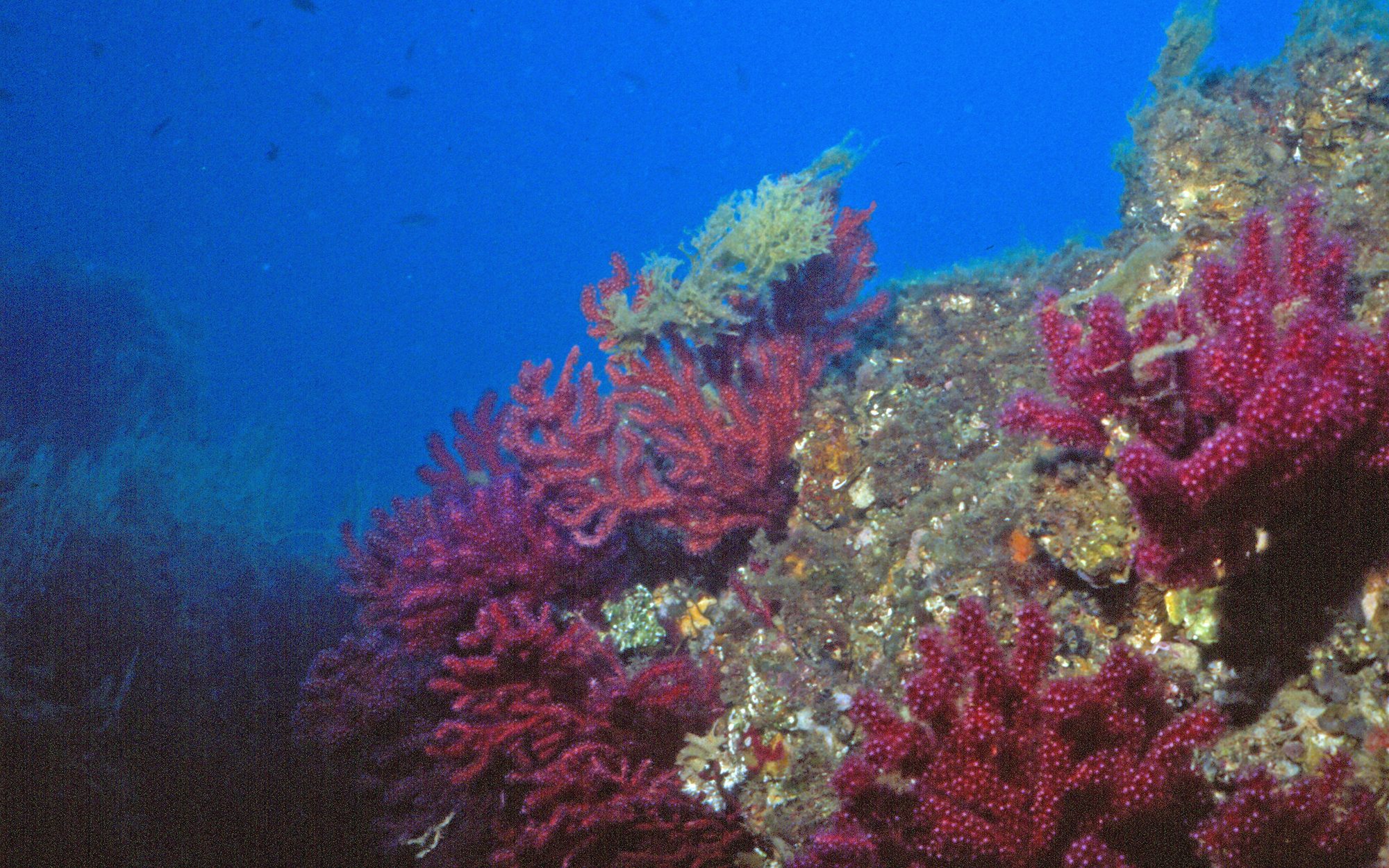
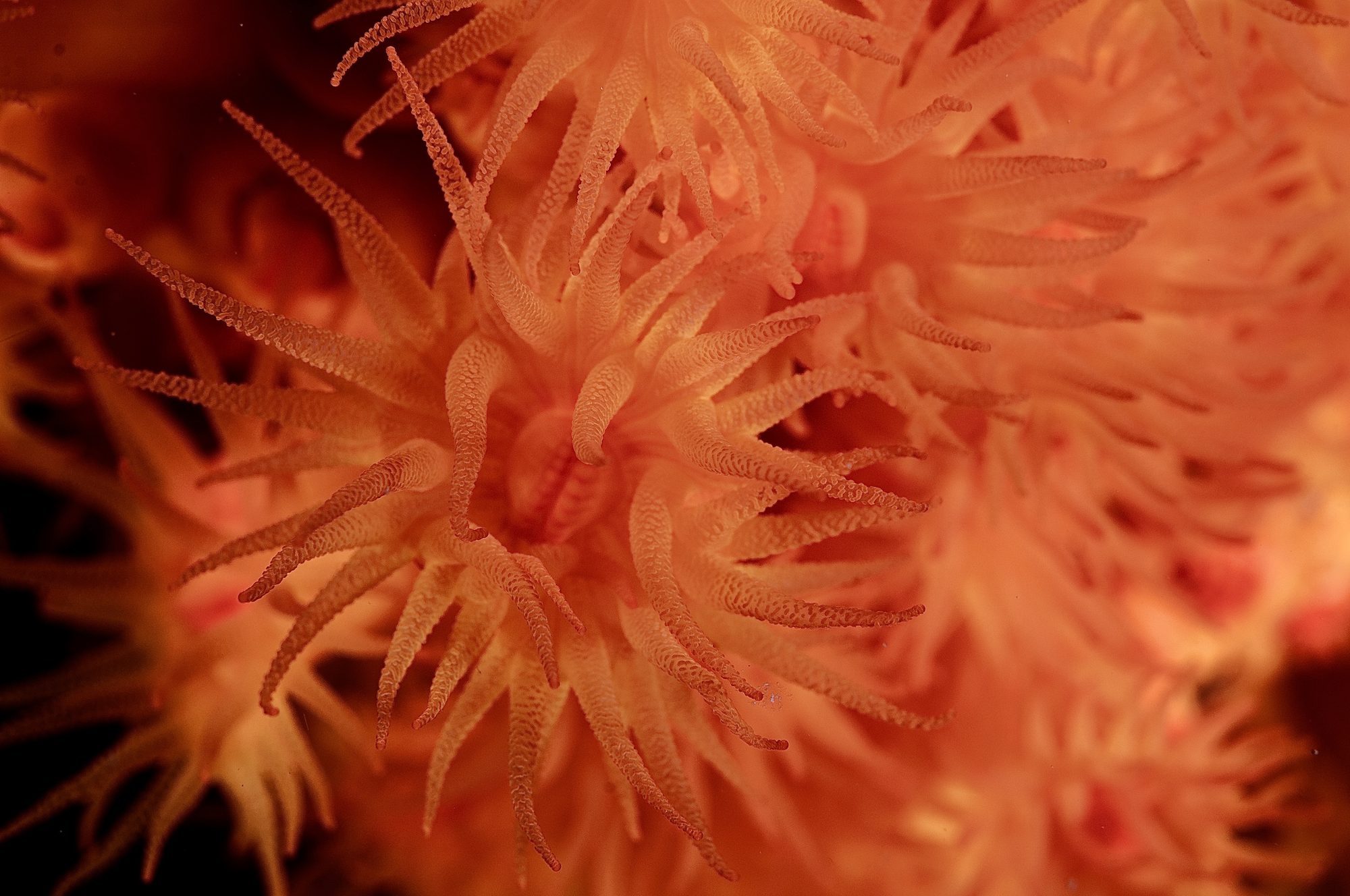
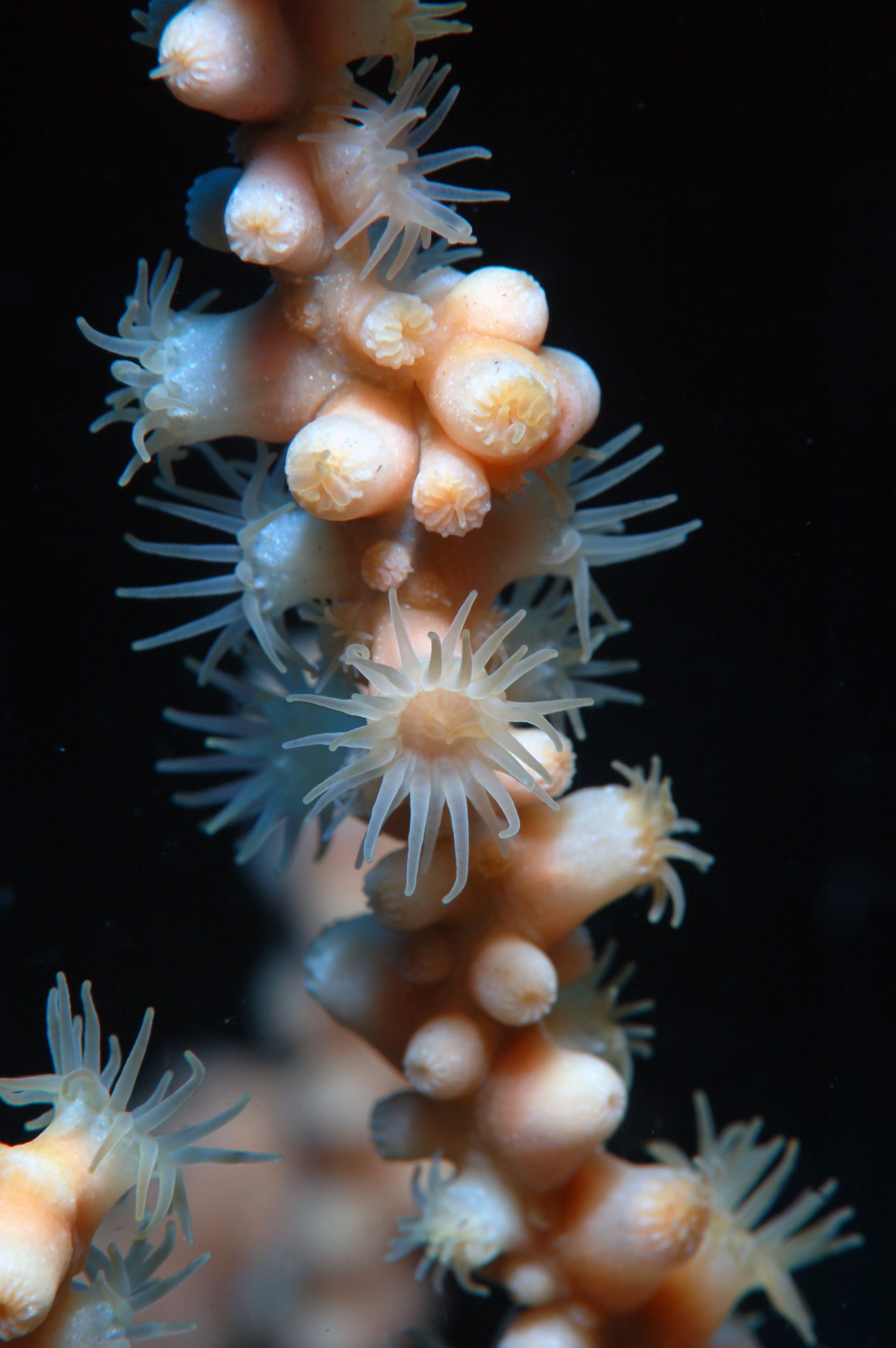
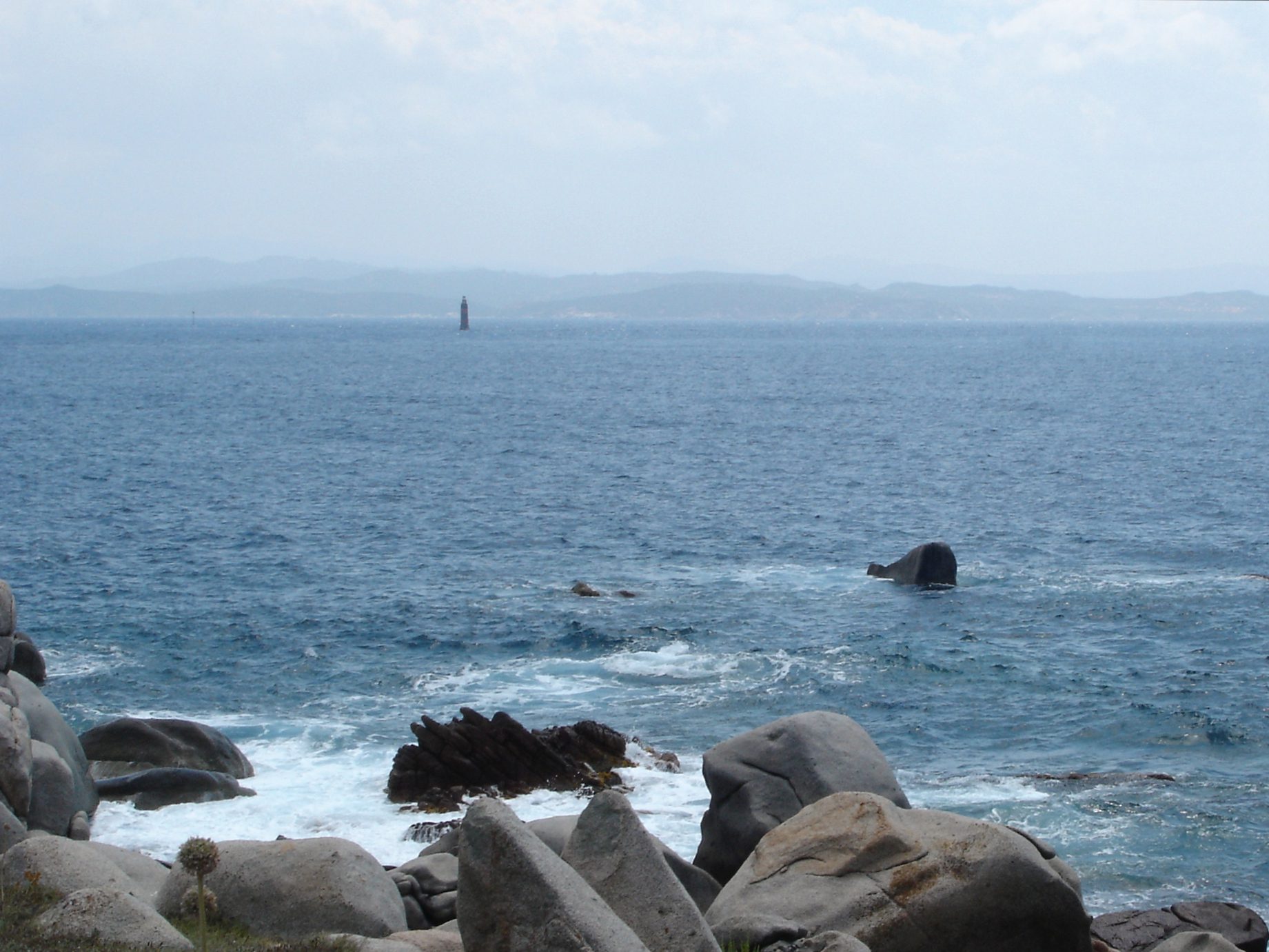
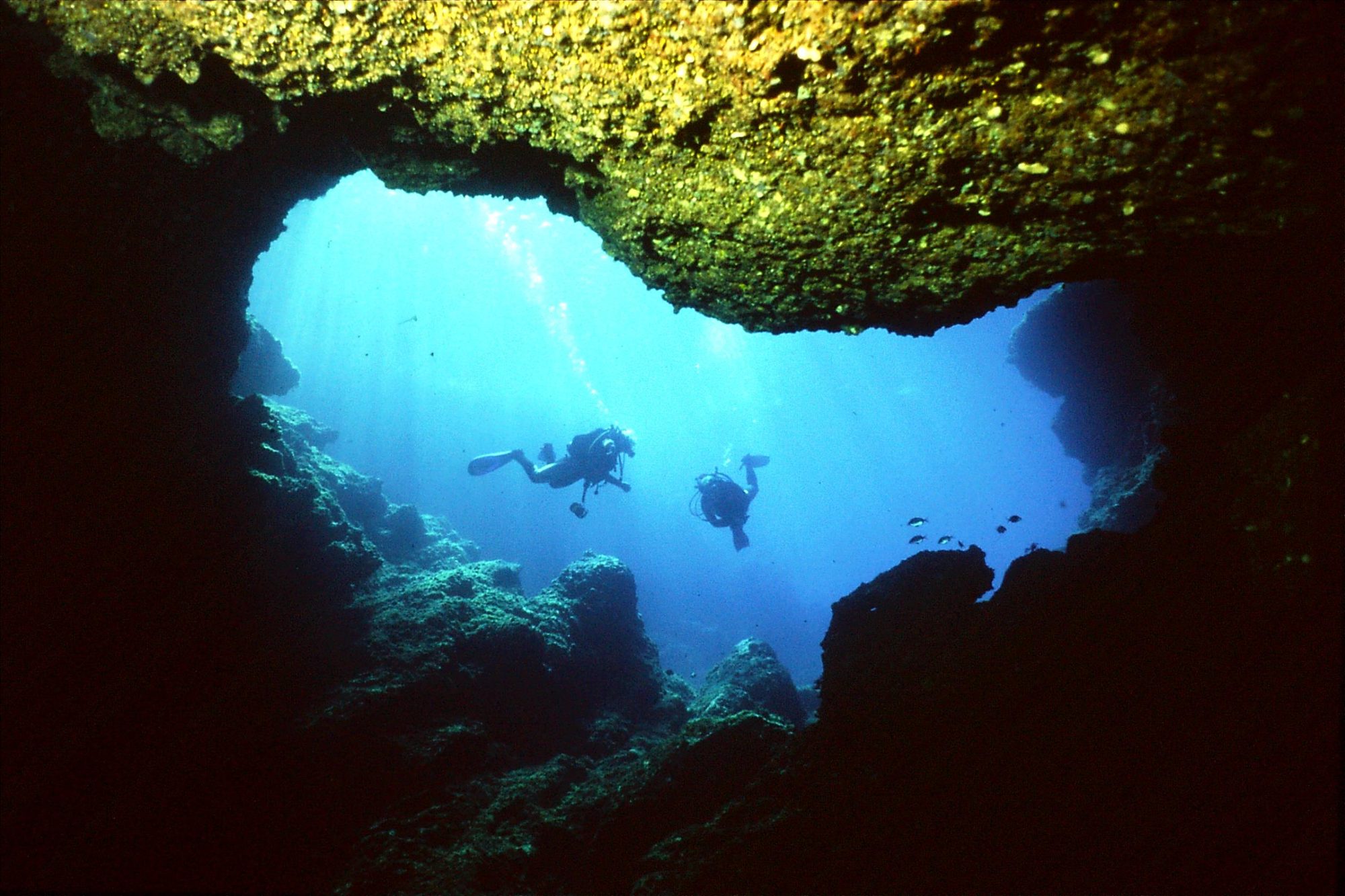
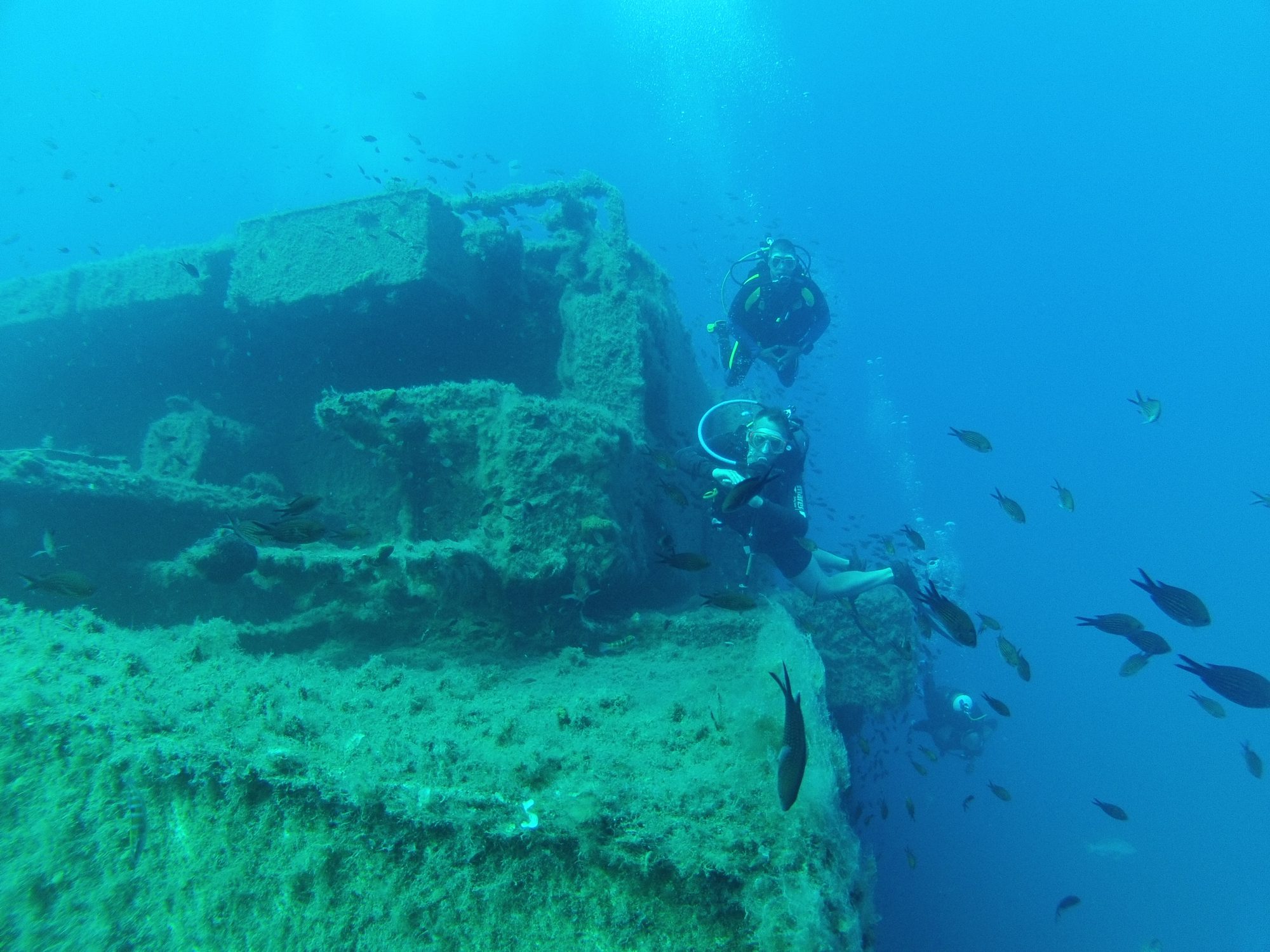
Diving Club Cavallo dives from the middle of the Strait of Bonifacio, with the Lavezzi archipelago on one side and the granite coast of Gallura on the other.
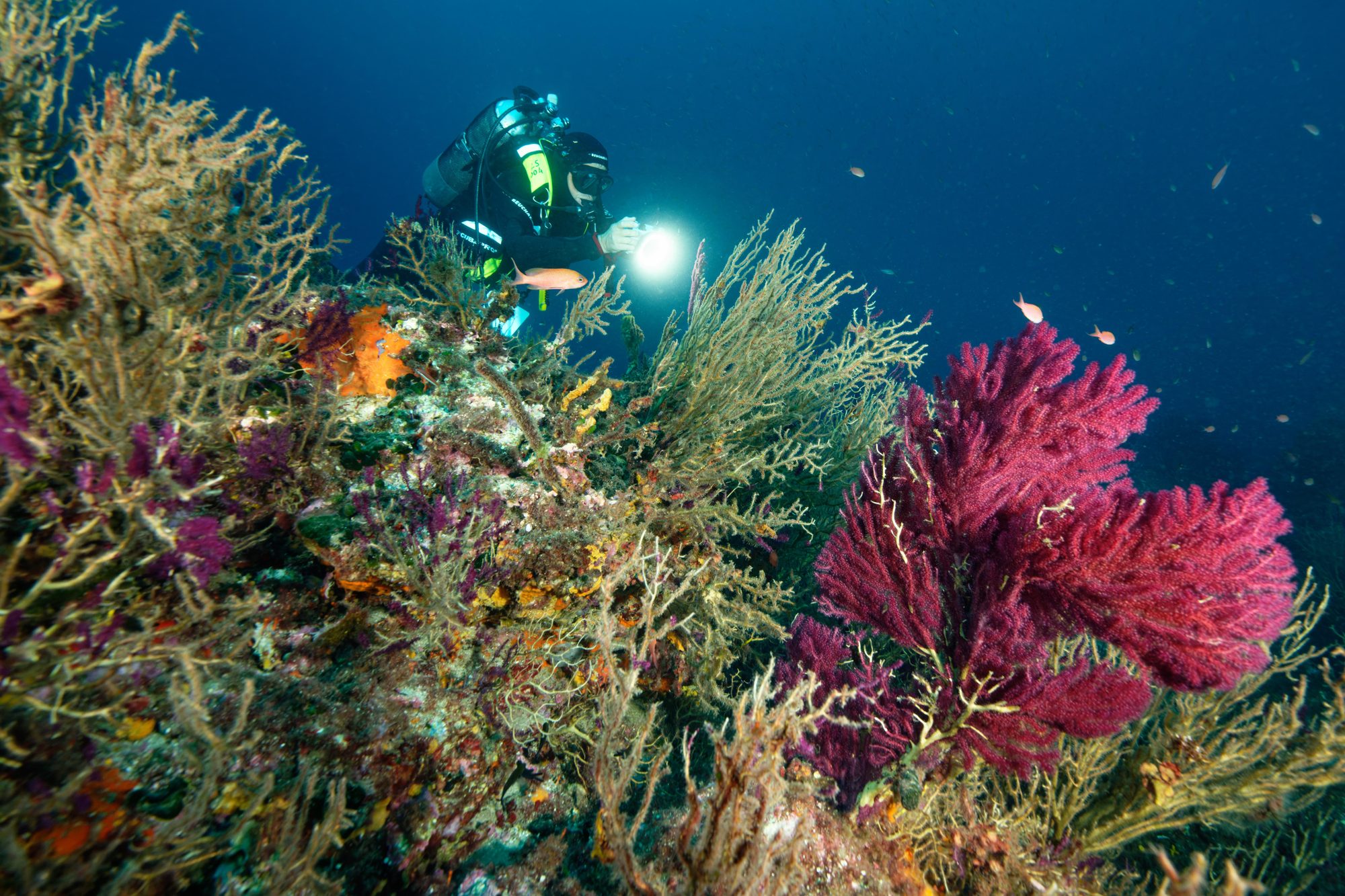
It is an unusual place to put a dive centre. The Strait is a narrow, shallow, wind-driven channel, and its current turns with the weather rather than the tide; in its constricted eastern part, flow of around a metre per second has been measured. That is why some of these sites are only dived on the right day. It is also why the walls out here carry the gorgonian forests and suspension-feeding communities they do: the same water movement that closes a site on a bad morning is what feeds it all year.
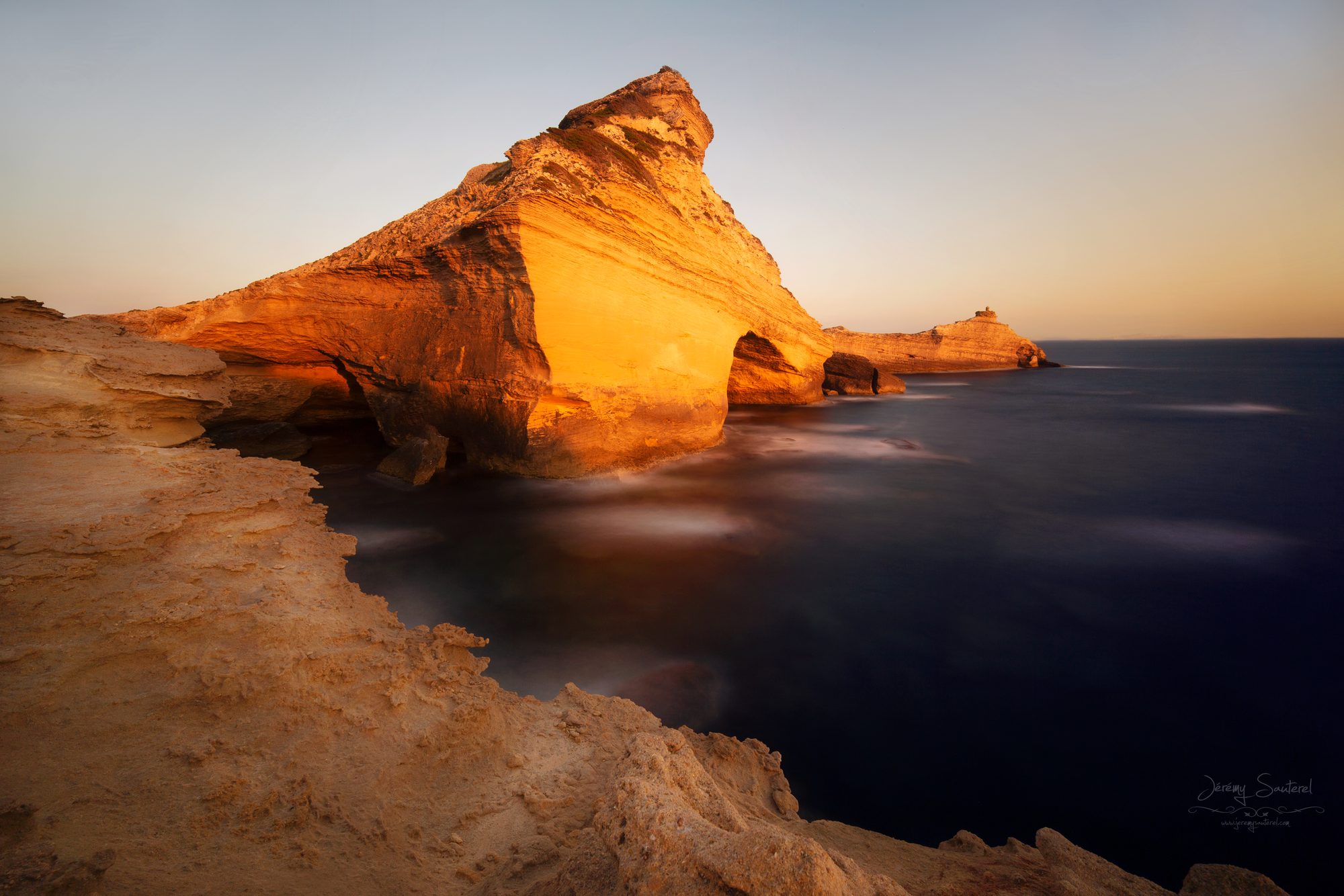
The granite is the other half of the story. The Lavezzi islands and the Gallura coast are the eroded remains of the same Hercynian massif, weathered into boulders, arches and corridors that continue underwater exactly as they do above it. Ten kilometres north, Bonifacio sits on white Miocene limestone instead — a geological change you can dive across in a single morning.
Twenty-eight sites are described here. The final dive plan is selected according to sea, wind and current conditions on the day — which is how the best diving in this Strait has always been done.
Collections
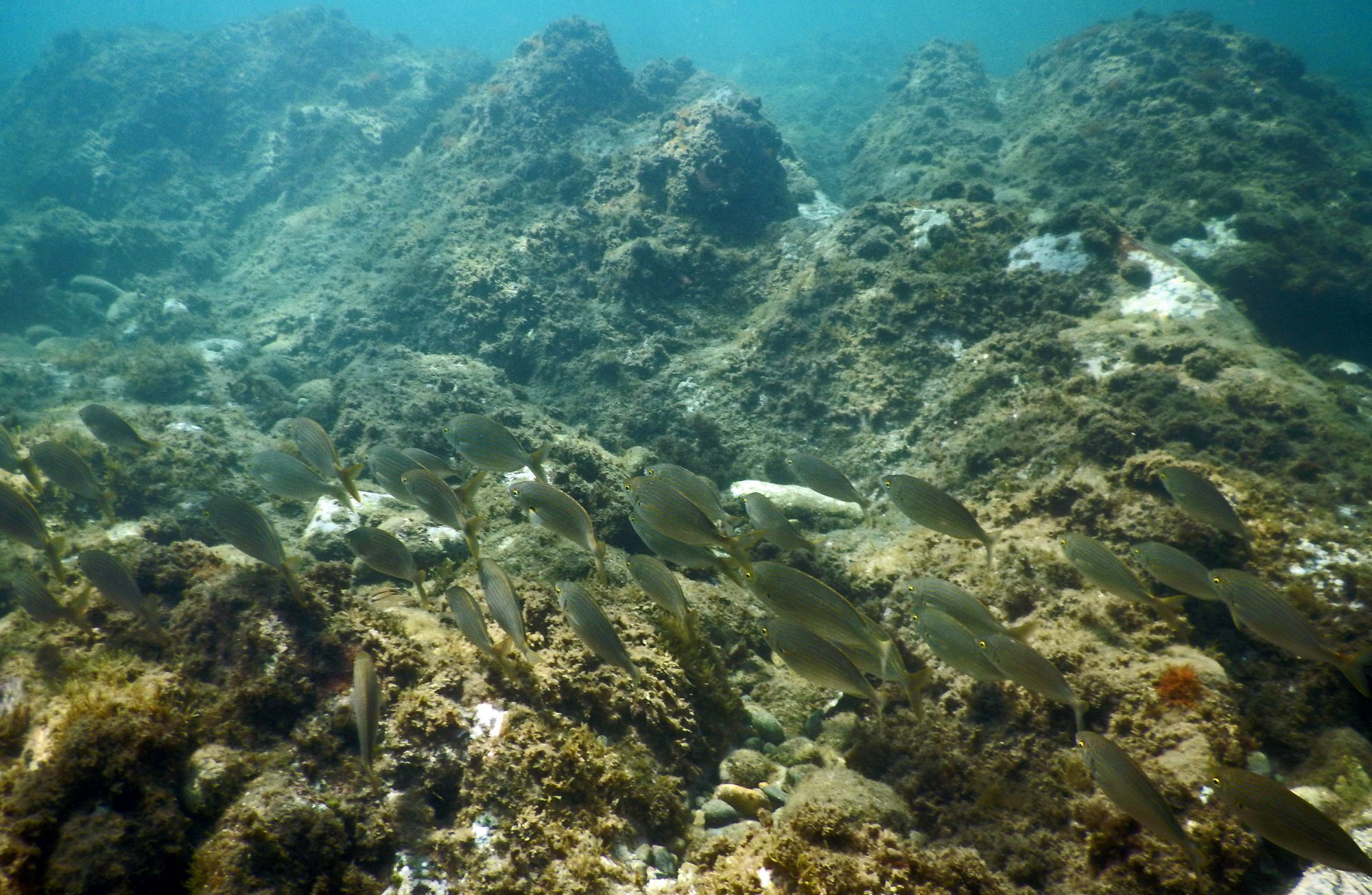
Shallow, sheltered and genuinely interesting. First open-water dives, refreshers after a long winter, and the sites where a new diver stops thinking about their equipment and starts looking around.
A Greek cargo ship broken on a shoal in 1982, at a depth any certified diver can enjoy — and a Victorian iron steamer of 1882, lying beyond forty metres, for divers with technical training.
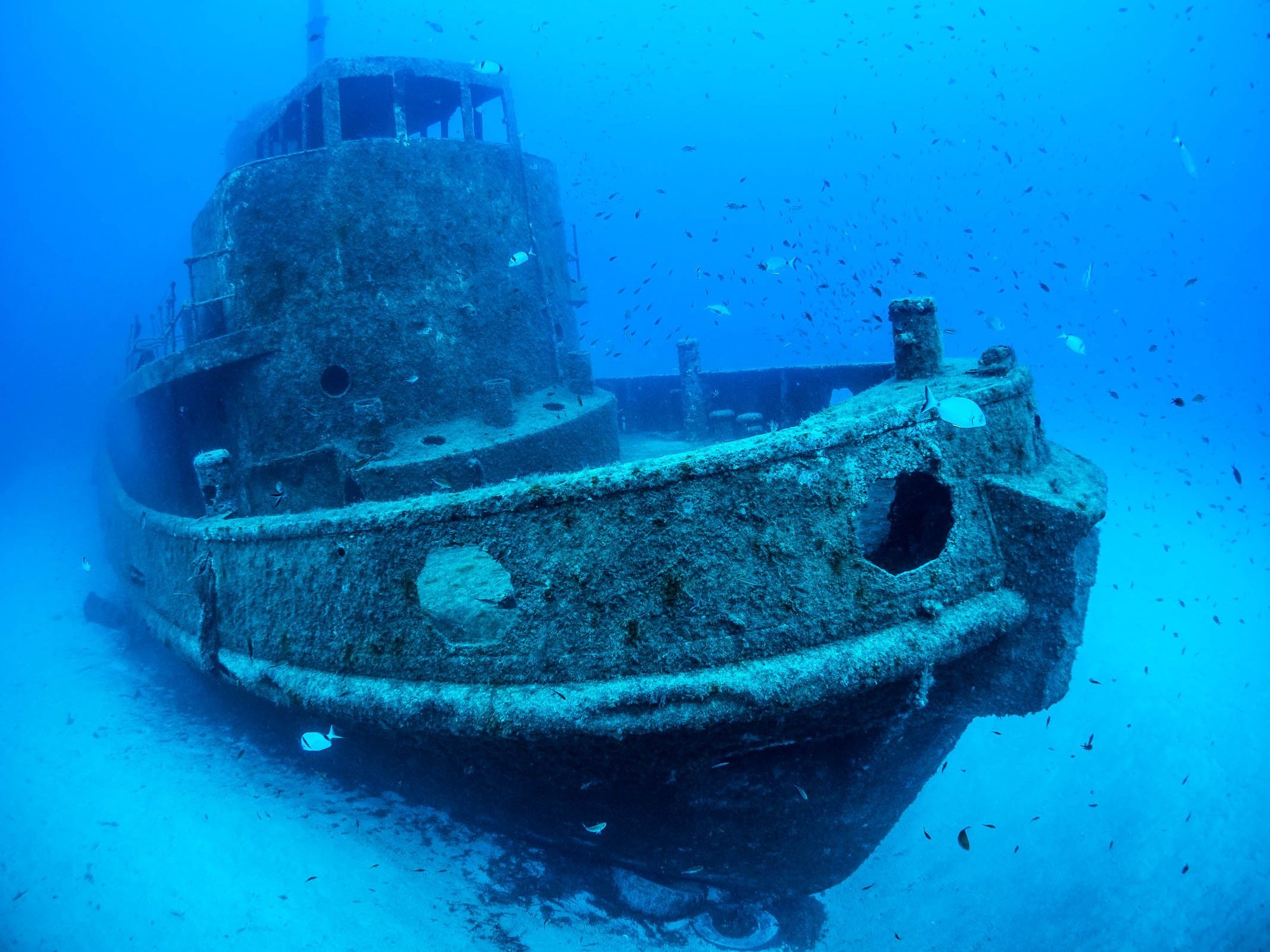
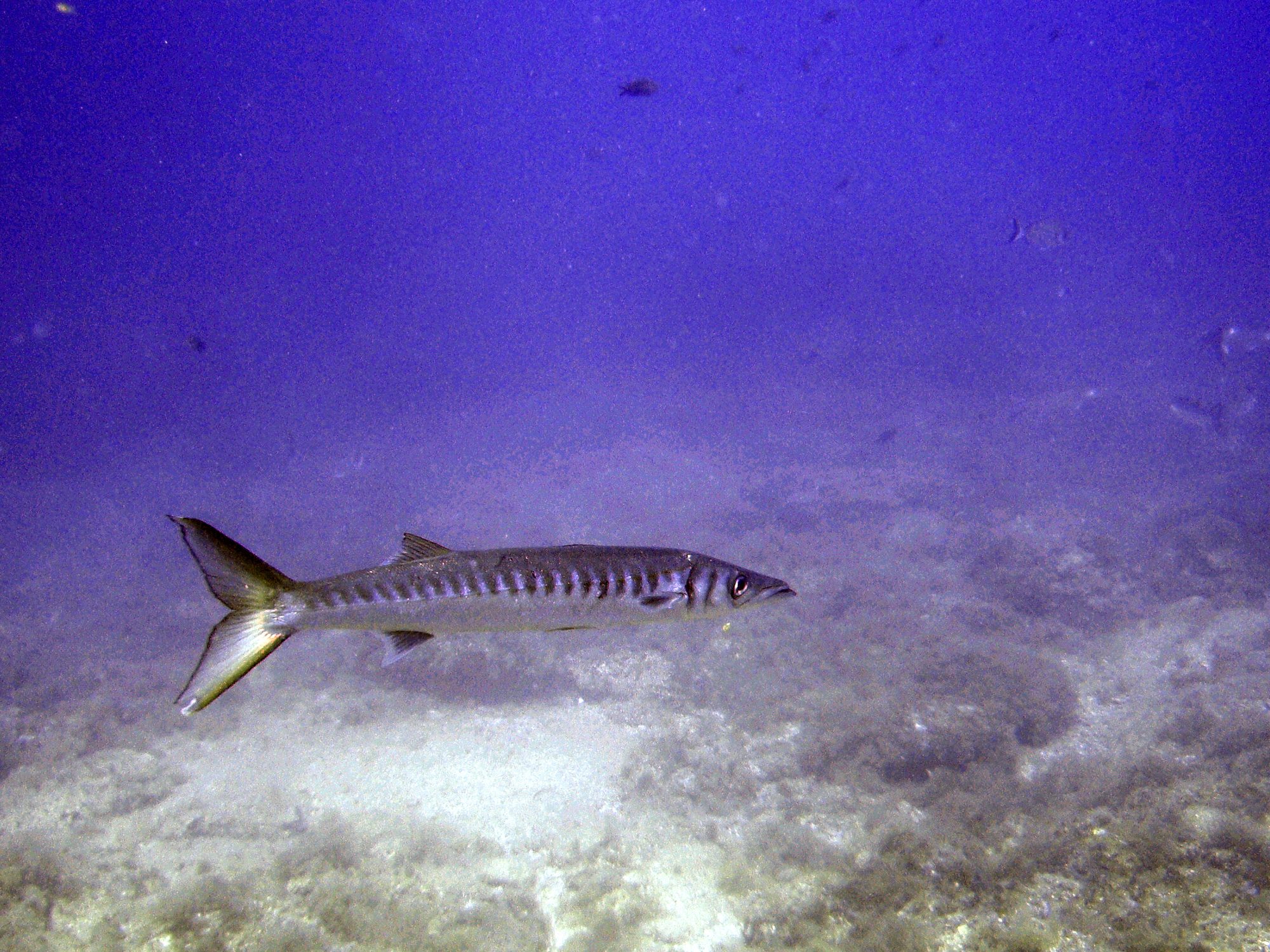
Offshore, exposed, and current-fed. These are the dives that make the Strait what it is, and the ones our guides pick the day for.
SS Clan Ogilvie — an iron steamer of 1882, lost in January 1888 with all aboard saved, lying between 44 and 52 metres in an area of near-constant current. A genuine decompression dive for divers with the certification, the team, the gas plan and the conditions to make it a disciplined one.
All dive sites
28 dive sites
How to read a dive profile
Every dive site carries the same information in the same order: an indicative depth range rather than a single number, the certification we recommend, the experience level the site really asks for, and an honest note on current. Depths describe the site, not your dive. The profile we propose on the day depends on your certification, your recent experience, the sea, the wind, the regulations in force and the judgement of the guide leading you.
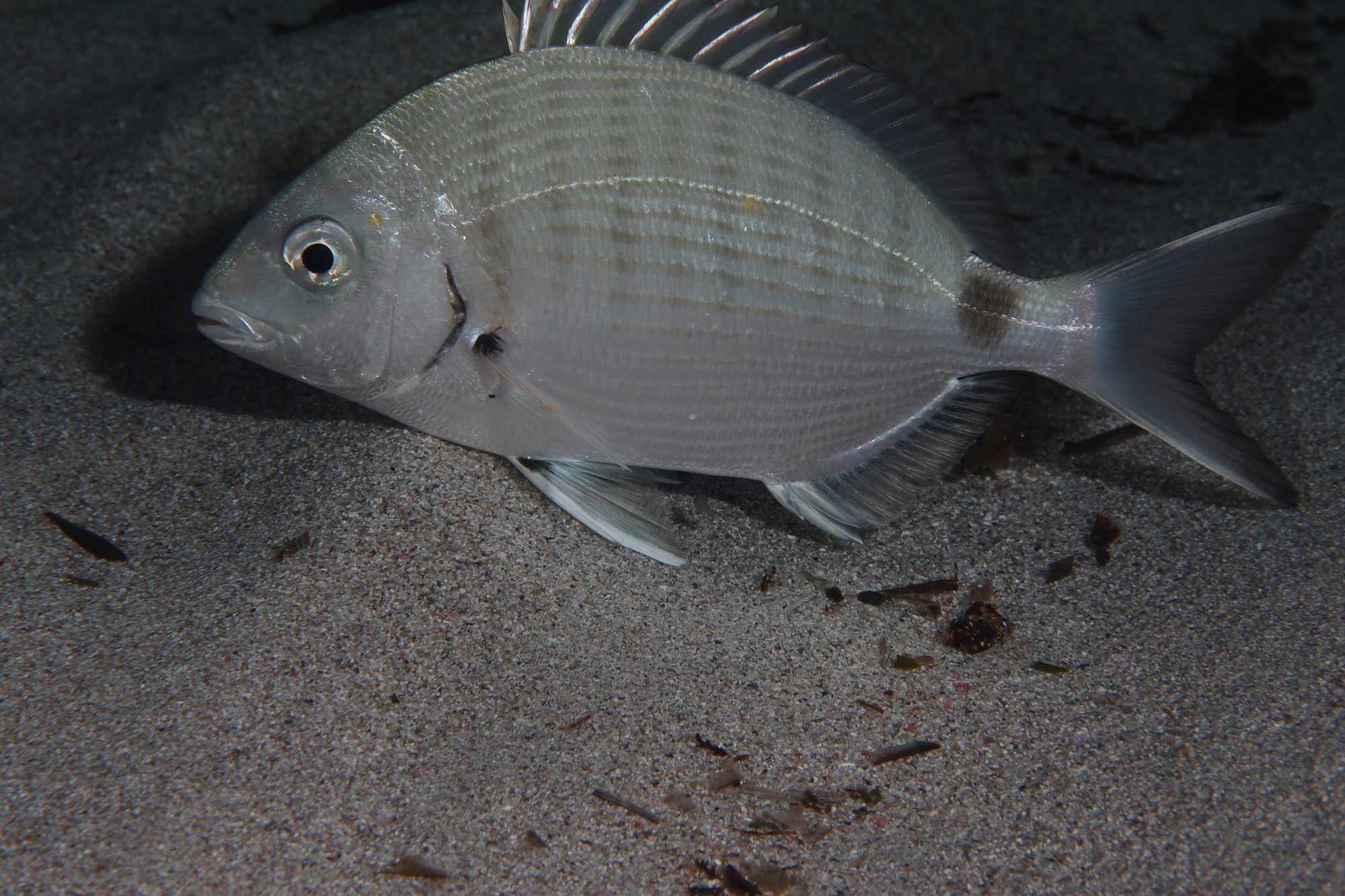
We describe what lives at these sites. We do not promise you will see it.
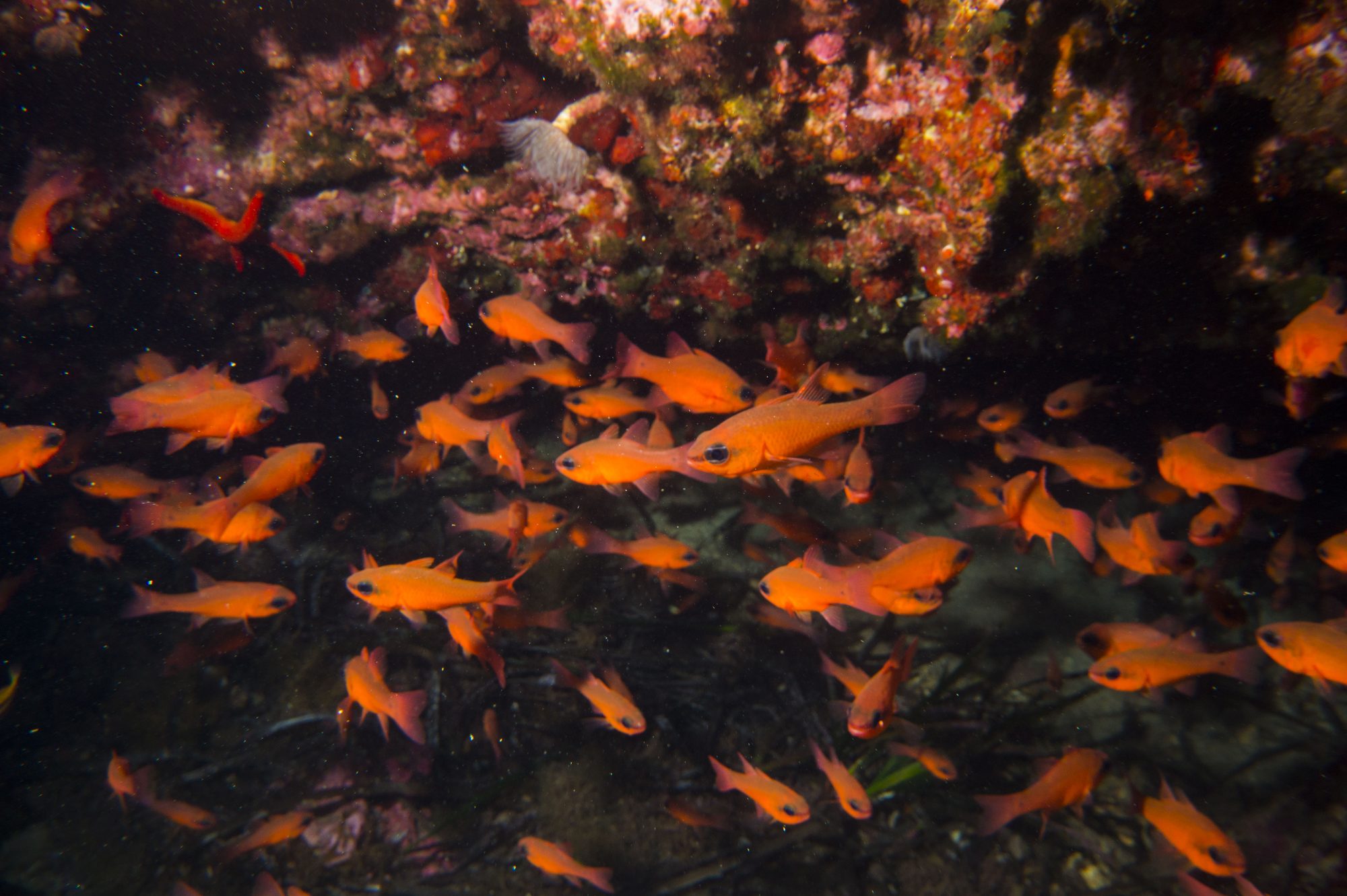
Almost every site on this map lies inside a protected area — the Réserve Naturelle des Bouches de Bonifacio on the French side, the AMP Capo Testa–Punta Falcone and the Parco Nazionale dell'Arcipelago di La Maddalena on the Italian.
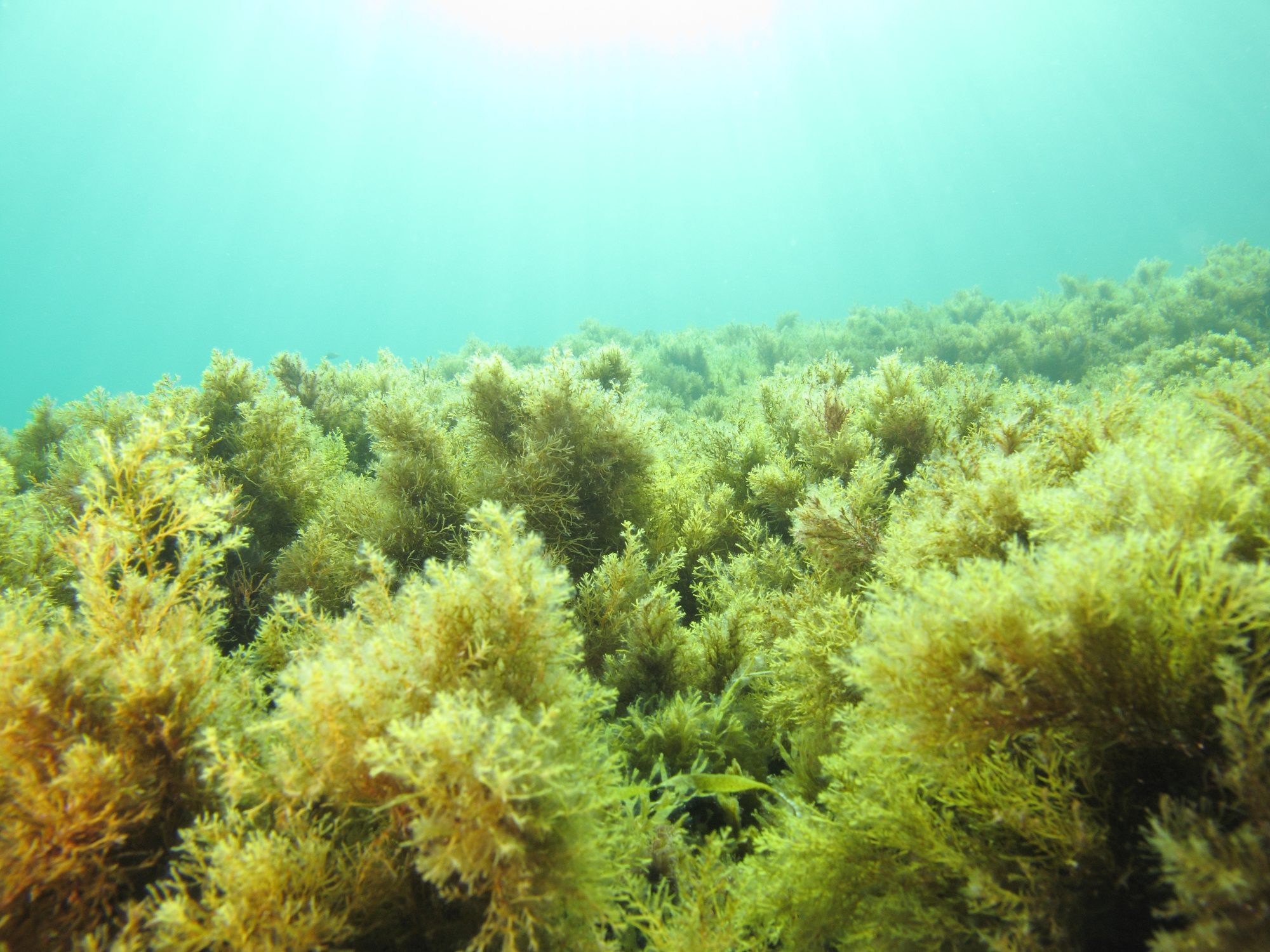
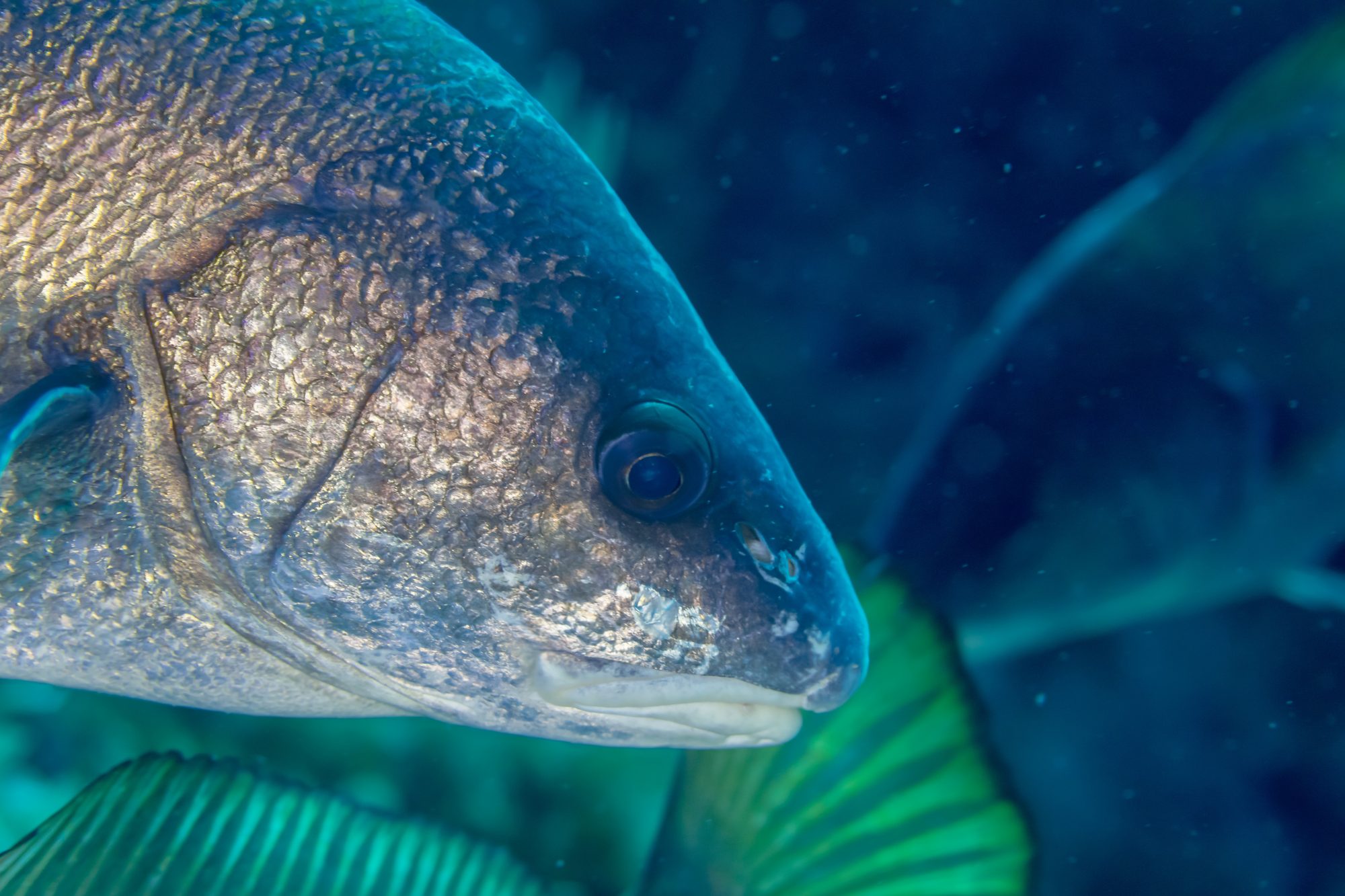
That protection is the reason the diving is good. Corsica has had a moratorium on grouper fishing since 1980, the oldest in France, renewed in December 2023 for a further ten years; the large, unbothered groupers at Lavezzi are what forty-five years of that policy look like underwater. The gorgonian walls, the coralligenous reefs and the Posidonia meadows are slower still — a red gorgonian fan grows by centimetres a year, and the coralligenous framework beneath it by a fraction of a millimetre.
We dive without contact, without collection and without feeding. Nothing is moved, nothing is taken, and archaeological material is left exactly where it lies.
Look, don't touch. Nothing is to be moved or removed.