Northern archipelago — Razzoli / Santa Maria sector
SS Clan Ogilvie
An iron steamer of 1882, lost with all hands saved, under the largest gorgonians in the region.
- Depth
- 44–52 m
- Certification
- Technical
- Experience
- Technical
- Current
- Potentially Strong
- Dive Style
- Deep Wreck
How we rate
Our ratings compare the twenty-eight dives in this Explorer with one another; they are not universal scores. They show where each site stands within the DCC selection for photography, scenery and marine life, and five represents the strongest expression of that quality.
The Dive
The Clan Ogilvie was an iron steamer of 2,425 gross tons, built in 1882 by Alexander Stephen & Sons at Linthouse on the Clyde, 324 feet long, registered to Charles William Cayzer of Glasgow and others — the Clan Line.
On 8 January 1888 she was on passage from Bombay to Marseille when she struck a rock with her port bow, filled and became a total loss. The Board of Trade inquiry found that the stranding was caused by the master's failure to fix the vessel's position by careful observation of the bearings of three lights. Sixty-three crew and six passengers were aboard. All of them were saved.
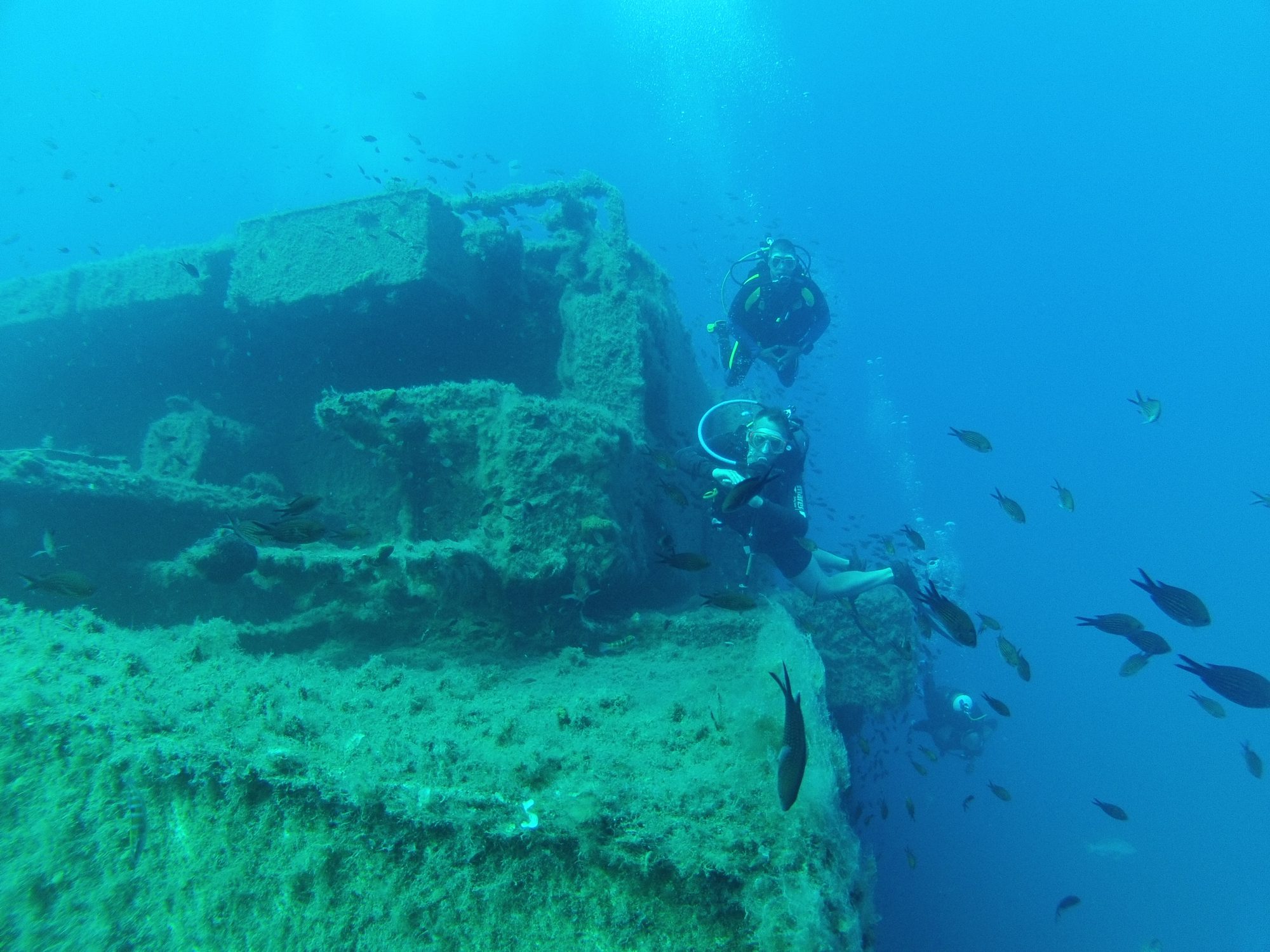
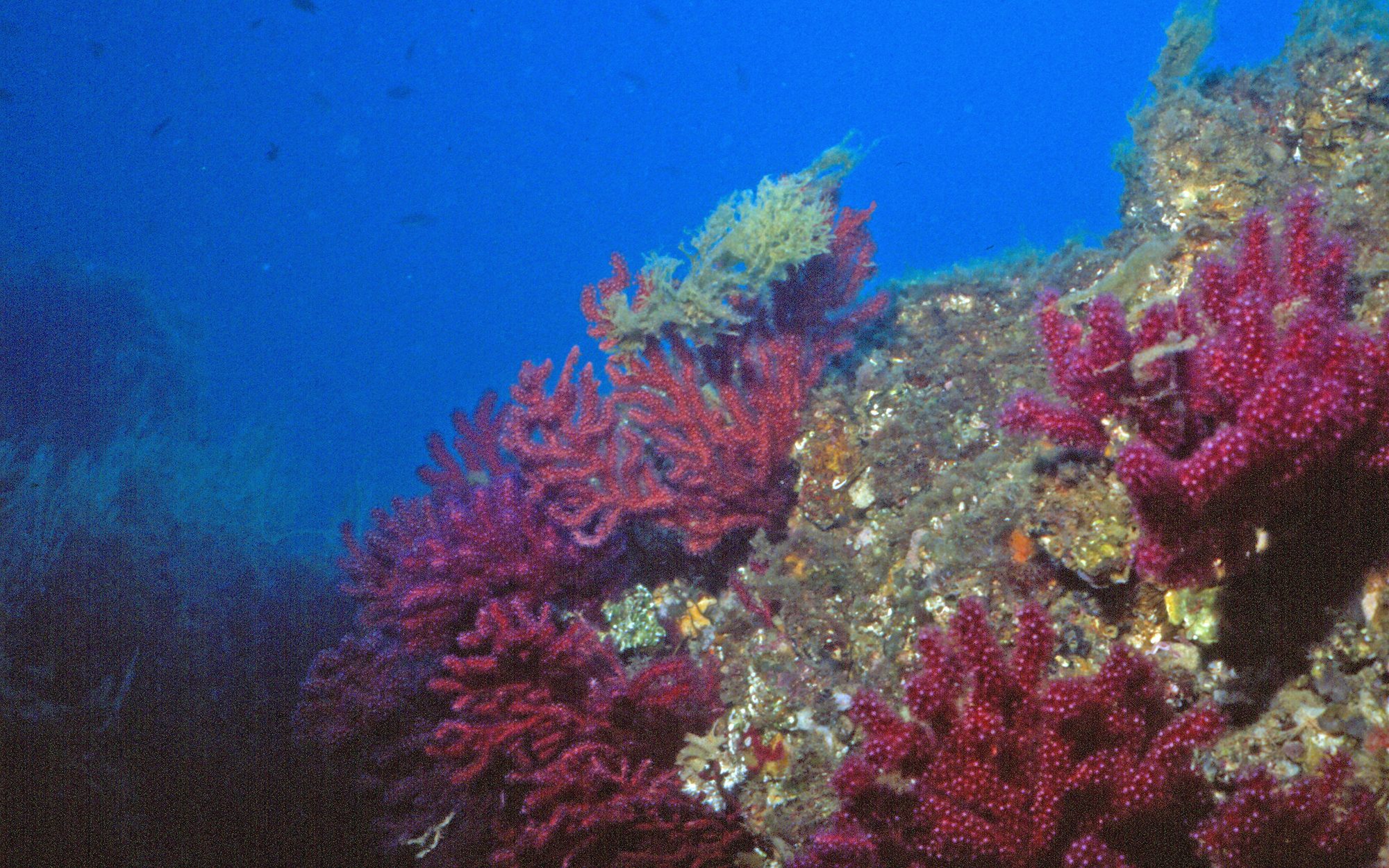
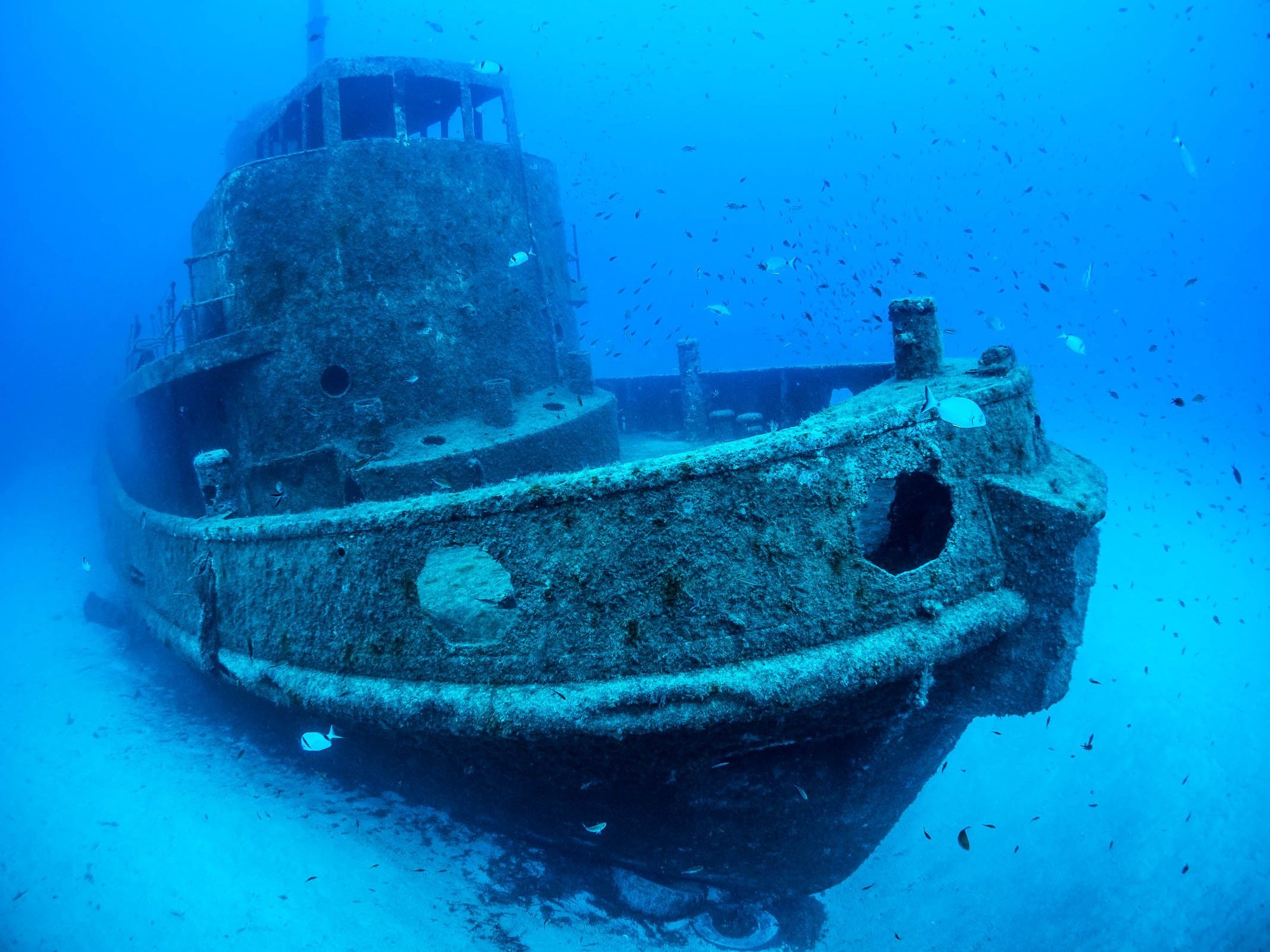
She lies today in the northern archipelago, between forty-four and fifty-two metres, substantially collapsed, with the stern the best-preserved section and the engine and boilers still identifiable. The wreck carries exceptionally large colonies of red gorgonian and schools of anthias, which is part of why divers who can reach her go back.
This is a decompression dive. It is not a deep recreational dive with a wreck on it.
Also known as Clan Ogilvie · Clan Olgive (frequent misspelling)
The Experience
The descent is in open water with current running, and the discipline starts before the wreck is visible. She materialises as structure rather than as a ship — collapsed plate, the bulk of the engine, the boilers — and the sense of scale builds as you move along her.
The stern repays the time you have. Beyond it the ground falls to sand and debris. What stays with most divers is not the machinery but the gorgonians: fans on this wreck are among the largest anyone encounters in these waters, growing on iron that has been underwater since the year before the Eiffel Tower was finished.
Bottom time is short, decompression is real, and the current does not stop for any of it.
Underwater Landscape
A substantially collapsed iron steamer between forty-four and fifty-two metres, with the bow standing off a sand-and-debris bottom, the stern the best-preserved section, and engine and boilers identifiable among the plate.
Why It’s Special
- 01
A documented Victorian iron steamer of 1882, lost in 1888, with a complete historical record
- 02
Everyone aboard survived — a shipwreck that is not a grave
- 03
Exceptionally large red gorgonian colonies on the structure
- 04
Engine, boilers and stern section still identifiable after nearly one hundred and forty years
- 05
The most demanding dive in this catalogue by a wide margin
Marine Life
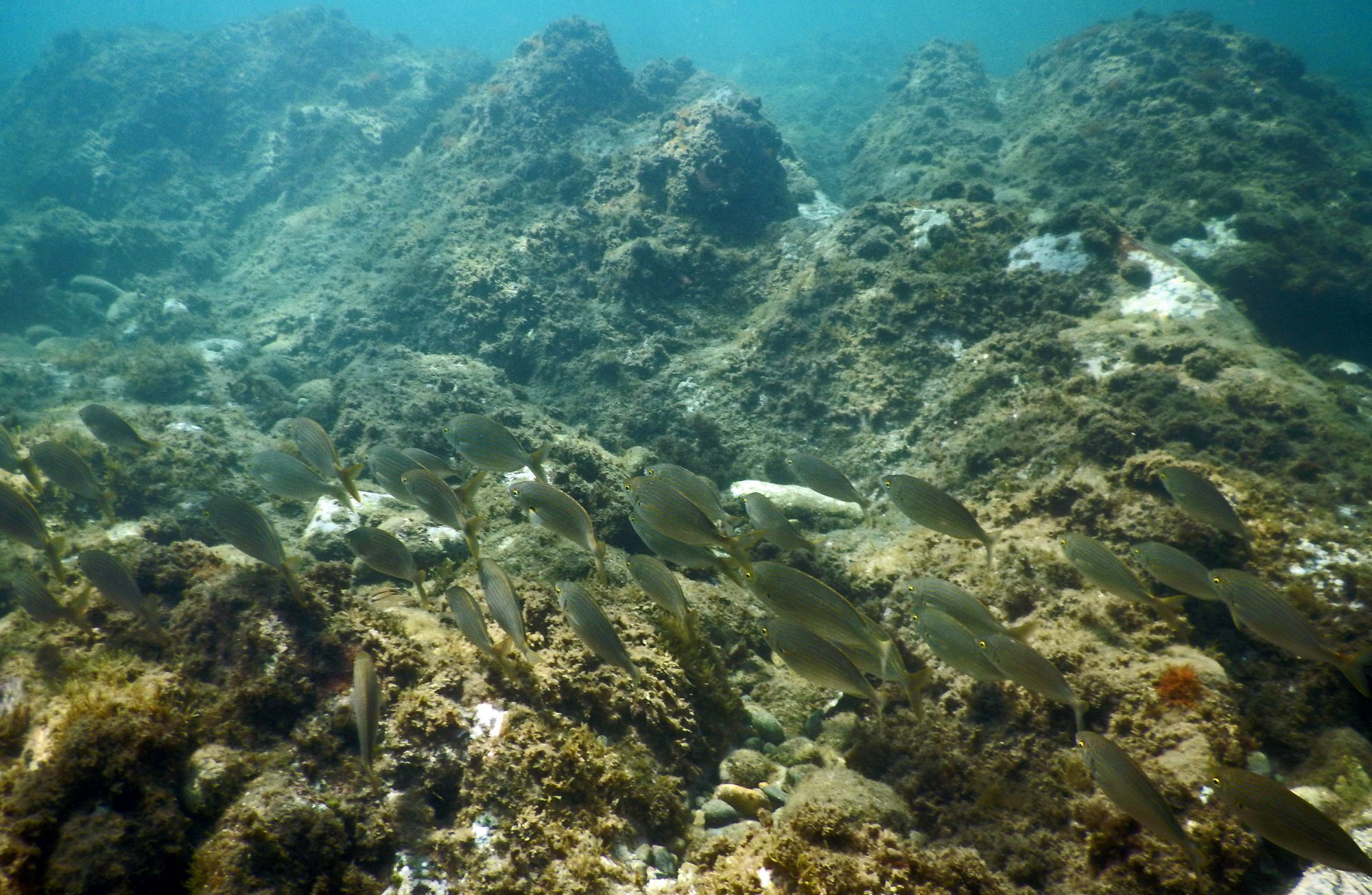
Deep-water hard-substrate fauna: conger, scorpionfish, spiny lobster, and resident fish using the structure, with dense schools of anthias over the wreck.
Flora & Benthic Life
Red gorgonian (Paramuricea clavata) in exceptionally large colonies on the structure — the deeper populations of this species are currently among the least affected by the marine heatwaves that have caused repeated mass mortality in shallower Mediterranean waters. Sponges, bryozoans and encrusting communities across the iron.
Best Conditions
Near-constant strong current is the site's defining condition, and it does not abate on a calm day. The dive requires settled surface conditions, a workable current, an experienced boat crew and a team that has planned together. Visibility is generally good.
Photography
A serious technical photography problem and rated for what a trained diver can actually achieve: short bottom time, real decompression, near-constant current and no ambient light at the working depth. Configure everything before descent, choose one subject — the stern, the engine, or a gorgonian-covered section of rail — and take it. Do not carry a camera on your first dive here.
DCC Tip
The luxury on this dive is not depth. It is having the gas, the team, the plan and the conditions good enough to visit her with discipline — and the judgement to call it off when any one of those is missing.
Safety & Conservation
This is a technical dive with a mandatory decompression obligation, beyond recreational limits. It is available only to divers holding appropriate technical certification, with documented recent experience at this depth, in a planned team, with redundant gas and appropriate decompression procedures, and subject to conditions and DCC operational approval. Possession of a recreational deep certification does not qualify a diver for this site and no exception is made. No penetration of the structure is undertaken. The wreck is maritime heritage: nothing is touched, moved or removed. The gorgonian colonies here are the largest in the region and the most easily destroyed — no contact with the structure where they grow. Diving here is subject to national park authorisation, current protected-area regulations and daily operational conditions.
Collections