South-east Lavezzi — offshore reef
Balise de Perduto
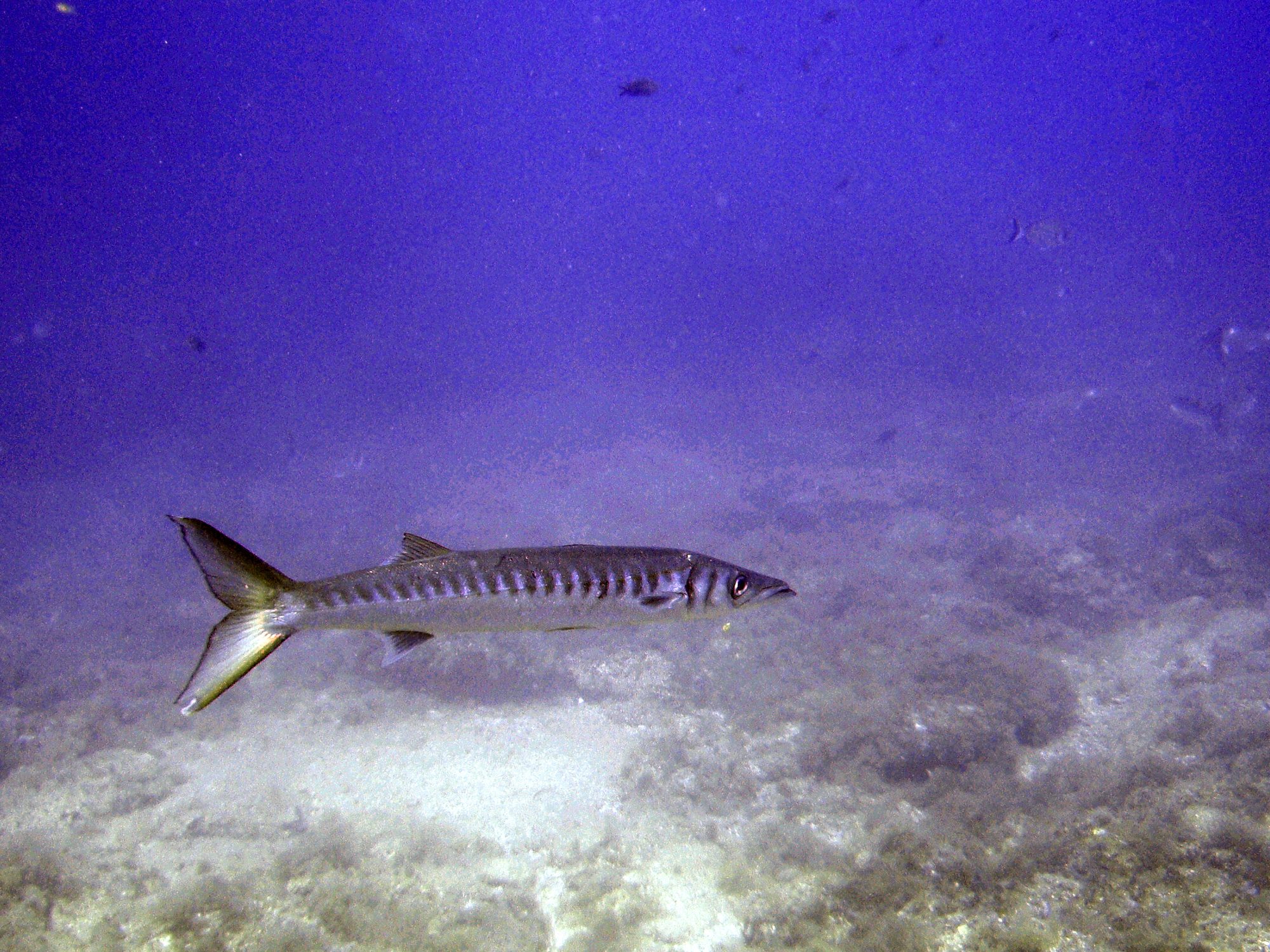
Barracuda circling a beacon at the edge of the archipelago.
- Depth
- To approximately 30 m
- Certification
- Open Water — Advanced recommended
- Experience
- Intermediate
- Current
- Potentially Strong
- Dive Style
- Offshore Reef · Pinnacle / Shoal
How we rate
Our ratings compare the twenty-eight dives in this Explorer with one another; they are not universal scores. They show where each site stands within the DCC selection for photography, scenery and marine life, and five represents the strongest expression of that quality.
The Dive
A reef breaks the surface several hundred metres from the Perduto islet, and an east cardinal beacon stands on it. That beacon is the dive: you descend at its foot, and the structure supporting it is what you explore.
The site is known for one thing above all. Large schools of barracuda circle the beacon, and the encounter — a slow, tightening cylinder of fish turning around a fixed vertical object — is among the most reliably spectacular in the archipelago. It is a dive with a subject, which is rarer than it sounds.
The reef is shallow enough at its top to allow an unhurried safety stop and deep enough at its base to be interesting, which makes it approachable for a wider range of divers than the exposure might suggest. But it stands well out from the islands, and the water that makes the barracuda gather here is the same water that decides whether the dive happens.
Also known as Écueil de Perduto · Grande Balise de Perduto · Balise Est (FR) · Sperduto (variant spelling)
The Experience
You go down the beacon's structure into a reef that falls away on all sides. The barracuda are usually in mid-water rather than on the rock, which means the dive divides between watching the school above and working the structure below.
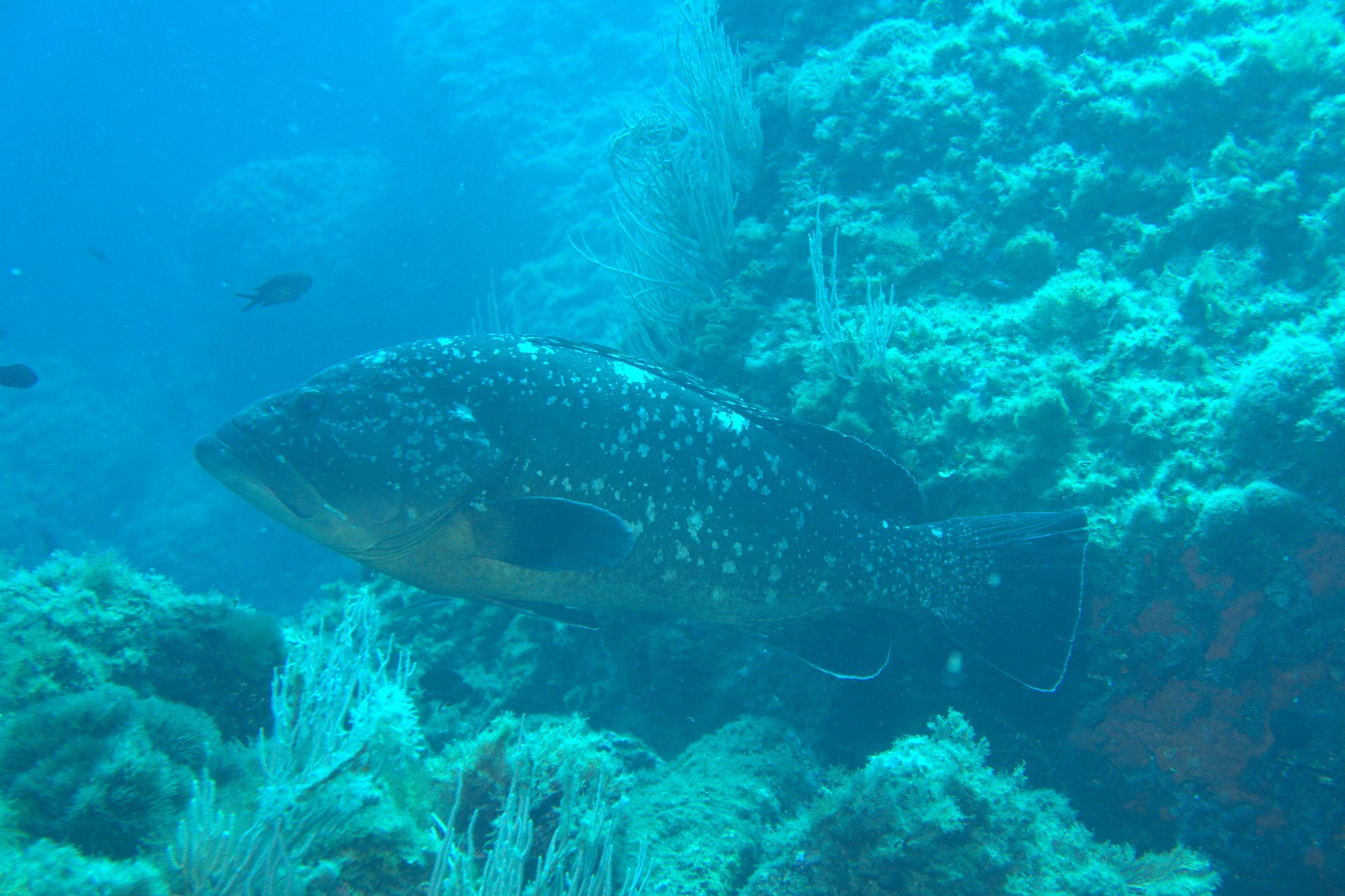
On the reef itself there are grouper in the overhangs, brown meagre in the shaded recesses, moray in the fissures and spider crabs on the ledges. The finish is on the shallow top of the reef, in bright water, with the beacon overhead — an unusually pleasant place to spend a decompression stop.
Underwater Landscape
An isolated reef breaking the surface, with the beacon structure as its vertical axis. Rock falls away from a shallow top through ledges and fissured faces to around thirty metres in the recreational profile.
Why It’s Special
- 01
Documented barracuda schooling around a fixed vertical mark — a repeatable, identifiable encounter
- 02
A reef with a top shallow enough for a comfortable, interesting safety stop
- 03
Offshore character without the full commitment of a drift dive
- 04
Nearby, at greater depth, lies documented Roman-period archaeology — context that belongs to this stretch of water
Marine Life
Barracuda, in schools, are the site's signature. Dusky grouper, brown meagre, moray and spider crab are all reported on the reef itself.
Flora & Benthic Life
Algal turf and encrusting communities on the illuminated upper reef; sponges, bryozoans and shade-dwelling organisms on the fissured faces below.
Best Conditions
Exposed offshore reef; current can be significant and the site is chosen on the day. The barracuda are a wild aggregation and their presence varies.
Photography
The barracuda school with the beacon structure included is the definitive shot and worth planning the whole dive around — it is the only image in this catalogue that carries a man-made vertical element, and it dates and locates the picture instantly. Shoot up, wide, and accept that the school sets the timing.
DCC Tip
When you meet the school, stop moving and breathe shallowly. Barracuda close on a stationary diver and flee a chasing one, and the difference between a distant grey smear and a wall of fish three metres away is entirely a matter of whether you stop.
Safety & Conservation
Offshore, exposed, and current-dependent; surface marker buoys are carried and boat cover is continuous. The beacon is a navigational aid and is not to be held, climbed or used as a descent line beyond what the guide indicates. Do not pursue or swim into the barracuda school. Archaeological material anywhere in this sector is protected — look, don't touch. Nothing is to be moved or removed. Inside the Réserve Naturelle des Bouches de Bonifacio; access is subject to current protected-area regulations and daily operational conditions.
Collections
Dive these too
Lavezzi & the Strait of Bonifacio
Îlot Perduto
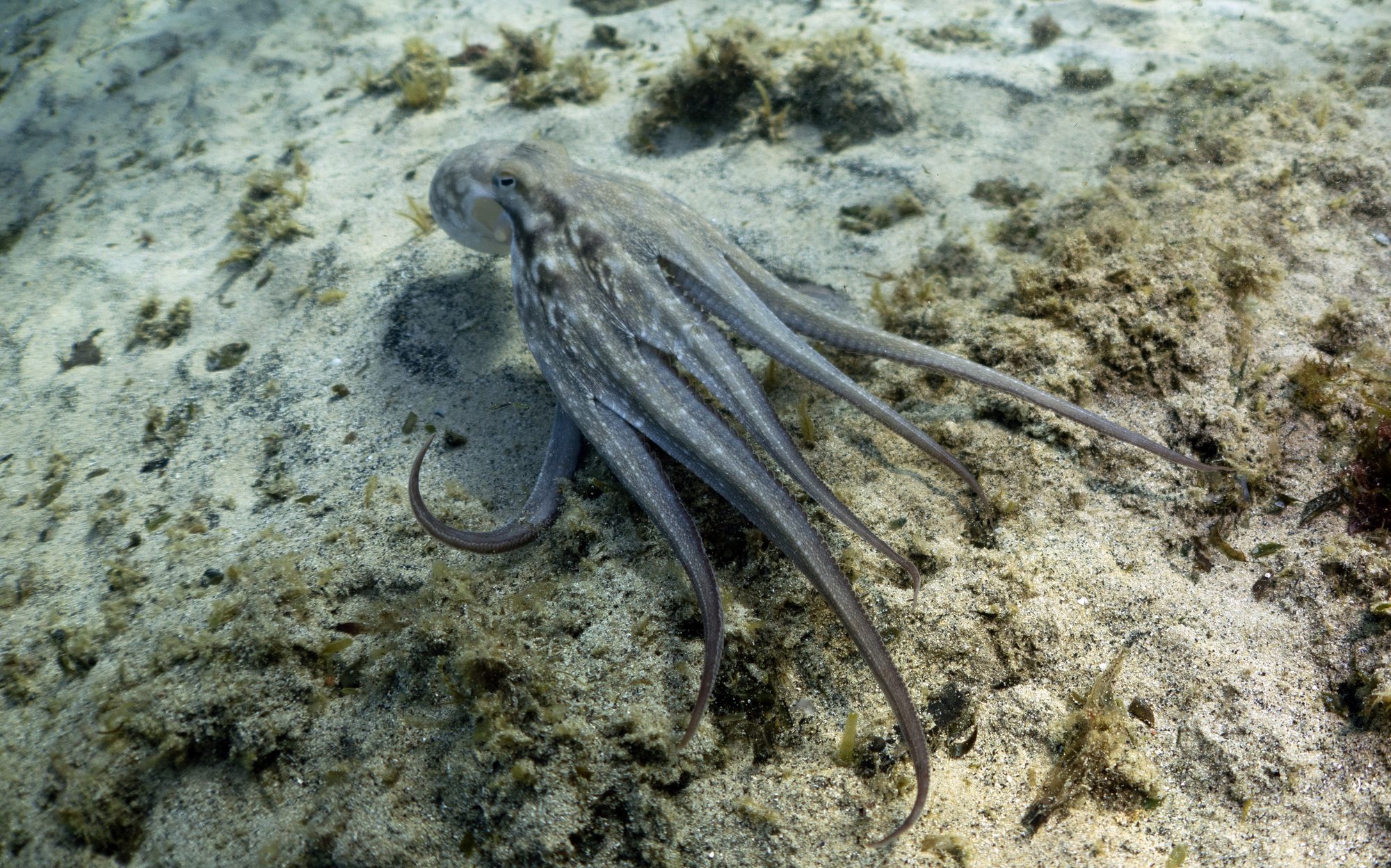
The archipelago's easternmost rock, and a sheltered reef beneath it.
Lavezzi & the Strait of Bonifacio
Écueil des Lavezzi — Balise Sud
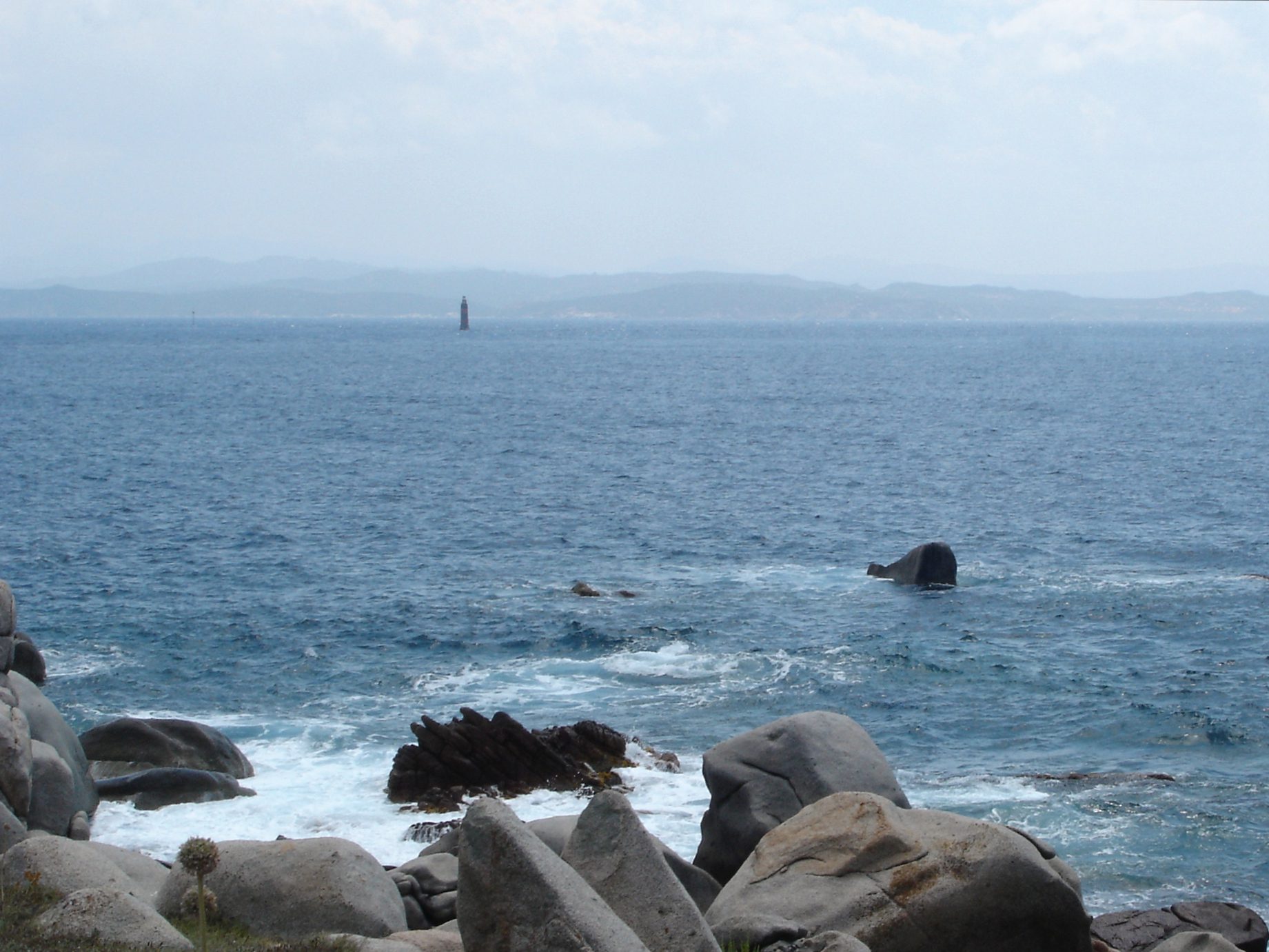
A drift over granite towers at France's southernmost point.
Lavezzi & the Strait of Bonifacio
Mérouville
Large resident groupers on an isolated granite shoal in open water.