Lavezzi — lighthouse point (Capu di u Beccu)
Beccu — Le Chameau
An architecture dive: arches, tunnels and a camel made of granite.
- Depth
- 6–20 m
- Certification
- Open Water
- Experience
- Beginner
- Current
- Low
- Dive Style
- Cavern Formations · Granite Reef · Shallow Reef
How we rate
Our ratings compare the twenty-eight dives in this Explorer with one another; they are not universal scores. They show where each site stands within the DCC selection for photography, scenery and marine life, and five represents the strongest expression of that quality.
The Dive
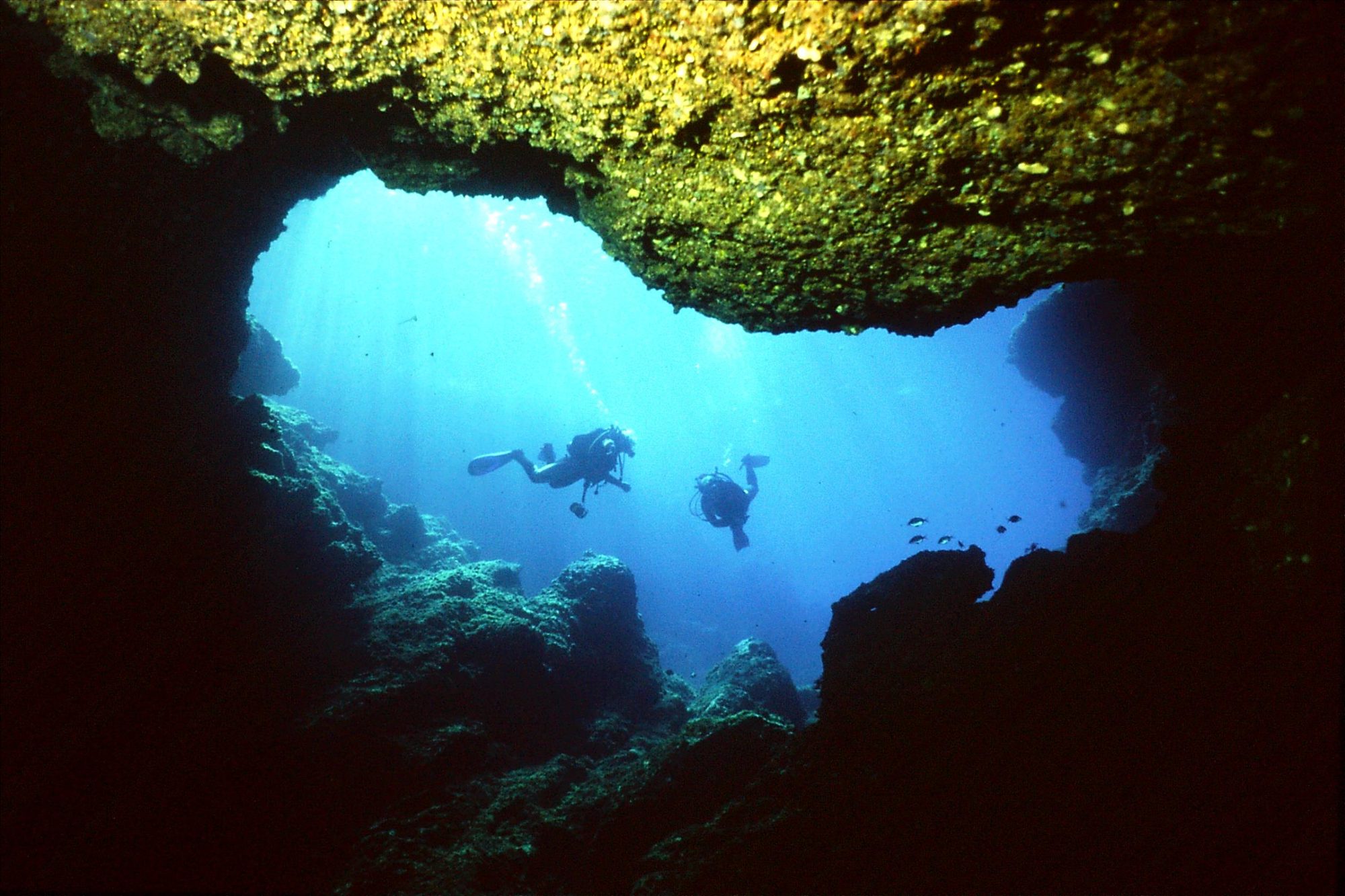
At the foot of the Lavezzi lighthouse the granite has collapsed into itself over a very long time, and what is left is a structure rather than a reef. Arches span open ground. Vertical faults run down through stacked blocks. Tunnels open at one end and close at the other. The route between them is genuinely a route — you go through the rock rather than over it.
The signature feature is a formation the local operators call the petrified camel, and, like the profile at Tête d'Homme, it is more convincing than it has any right to be.
What makes Beccu valuable in this catalogue is that it delivers spectacle at shallow depth. Nearly everything dramatic in the Lavezzi is deep, exposed or both; this is twenty metres at most, close to the island, sheltered, and more architecturally interesting than sites twice its depth. It is the dive that convinces a newly certified diver that the Mediterranean is not flat.
Also known as Becu · Grottes de Becu (FR) · Beccu (IT)
The Experience
The dive starts over Posidonia, which is worth a few minutes on its own — barracuda are reported over the meadow — and then enters the rock. From that point it is a sequence: through an arch, along a fault, under a slab, out into light, round a corner and back into shadow.
The shaded sections change the fauna completely. Brown meagre and forkbeard hang in the darker recesses, and nudibranchs — including their spiral egg coils — are found on the rock faces. The finish is usually back in the seagrass, in bright water, with plenty of gas left because nothing about the dive has been deep.
Underwater Landscape
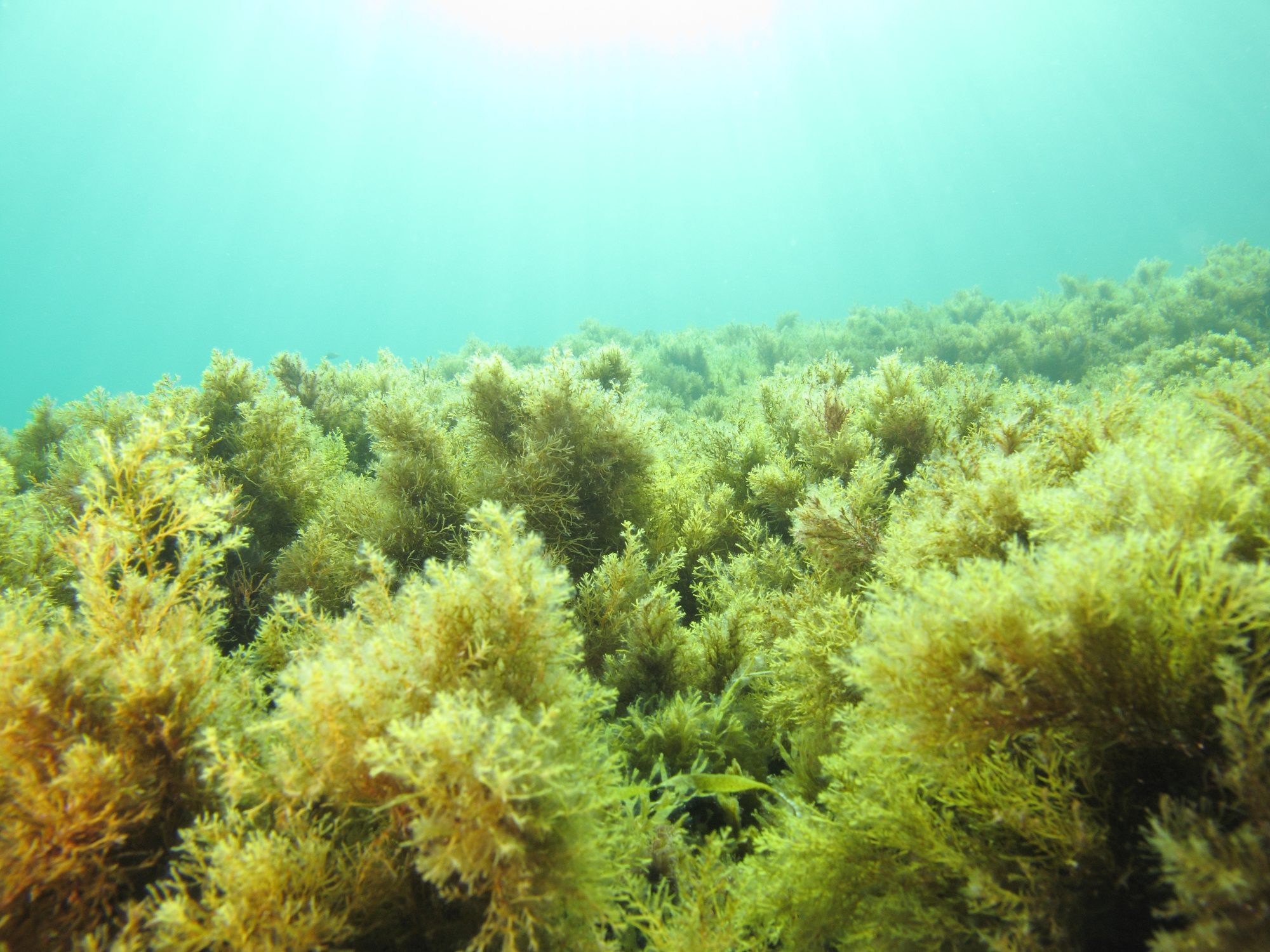
A collapsed granite mass at the lighthouse point: stacked blocks, arches, vertical faults, tunnels and caverns, with a Posidonia meadow on the approach and sand between the rock groups.
Why It’s Special
- 01
The most structurally spectacular terrain in the archipelago, at beginner-accessible depth
- 02
Arches, tunnels and faults forming a genuine navigable route through rock
- 03
The "petrified camel" formation
- 04
A *Posidonia* meadow approach with reported barracuda over it
- 05
Amphora fragments present on the site — the Strait's shipping history at fifteen metres
Marine Life
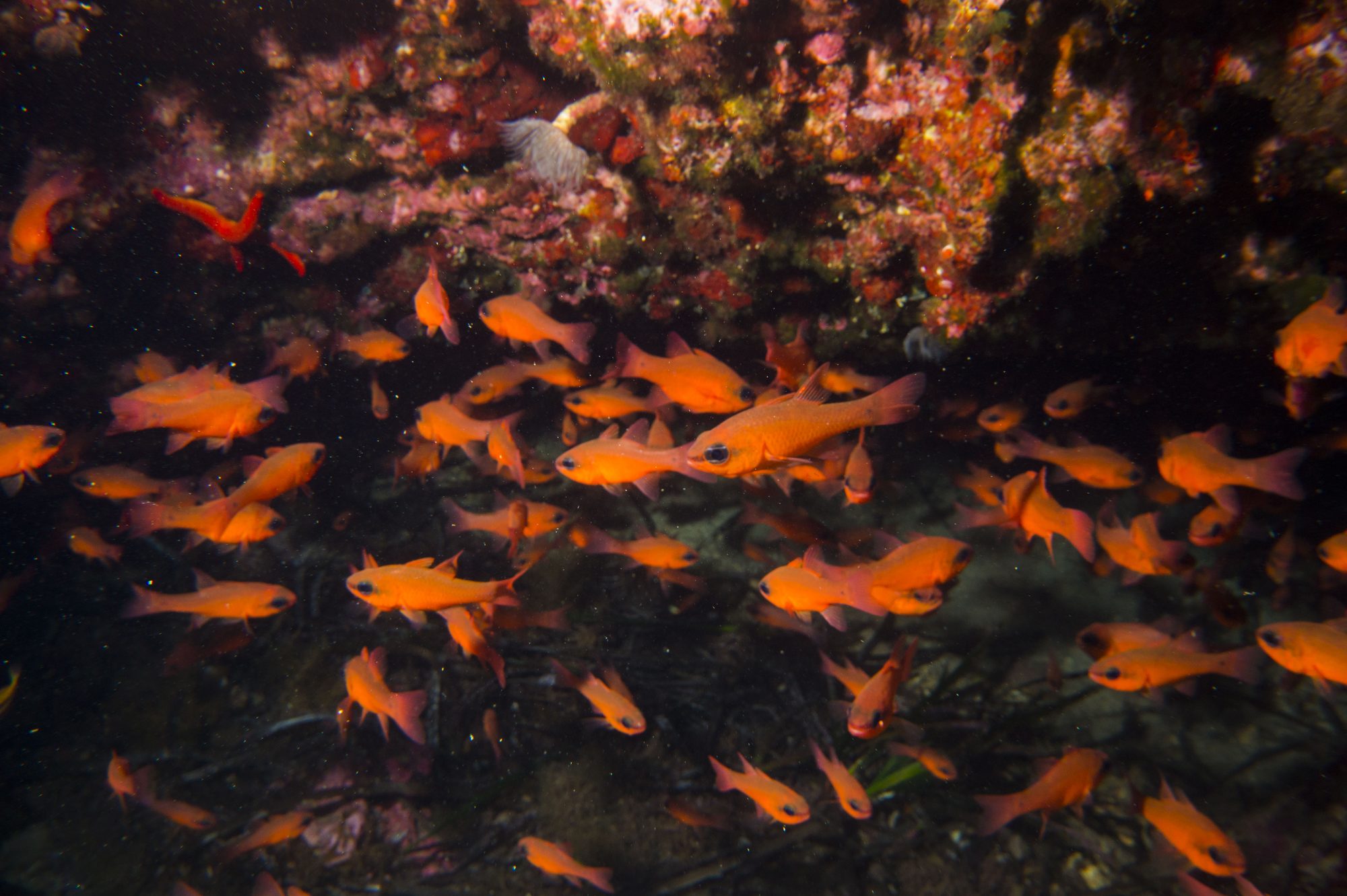
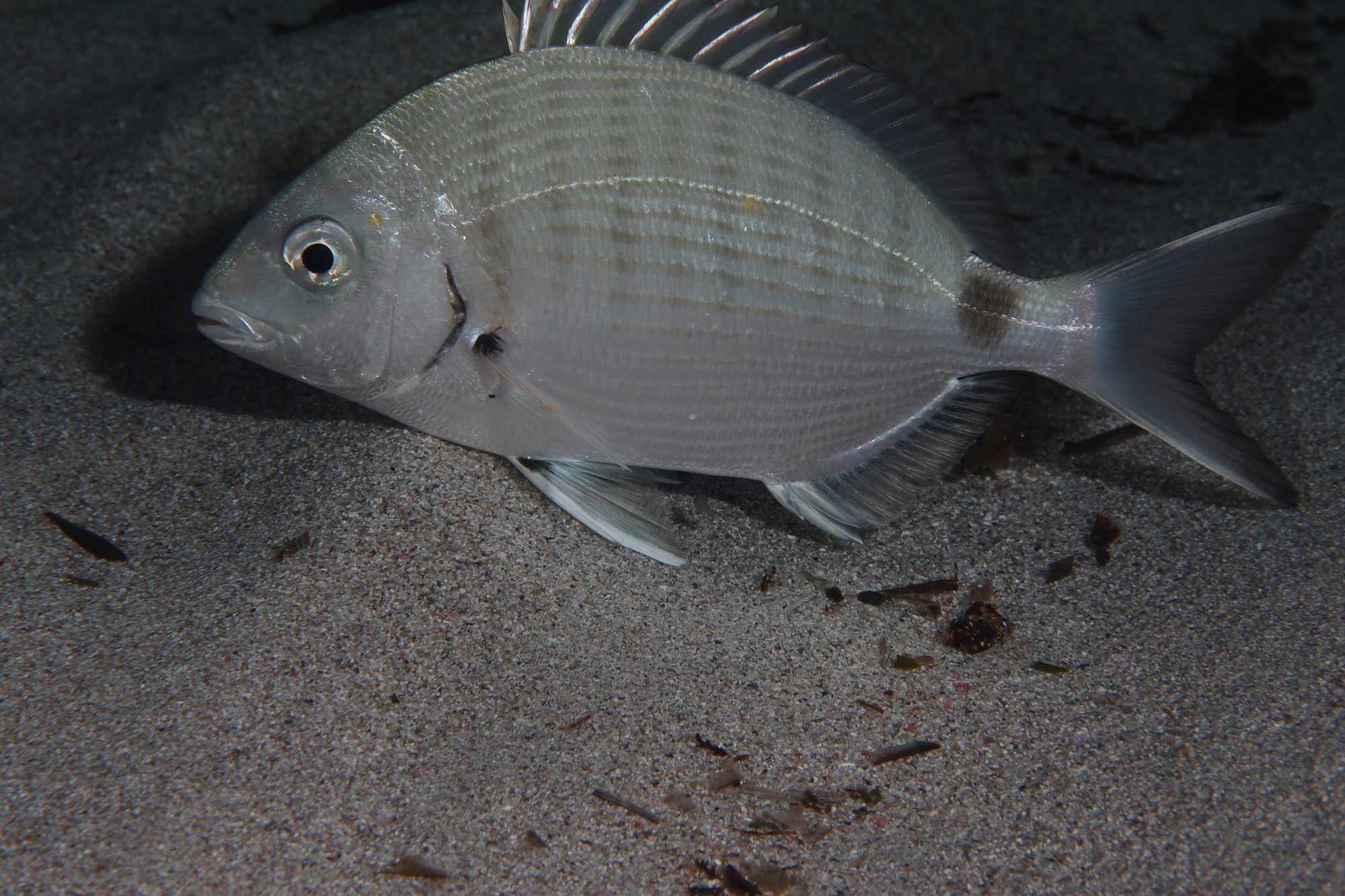
Barracuda over the seagrass, brown meagre and forkbeard in the shaded sections, moray in the fissures, and nudibranchs with their egg coils on the rock. Small serranids and seabream throughout.
Flora & Benthic Life
Posidonia oceanica meadow on the approach — a protected Mediterranean seagrass, not an alga. Shade-dwelling encrusting communities on the roofs and walls of the overhead formations: sponges, bryozoans, and yellow cluster anemone where the light is low but the water moves.
Best Conditions
Sheltered and generally calm, with little current. Bright, high-sun conditions materially improve the dive, because the entire visual argument of the site is contrast between lit and unlit rock.
Photography
The best silhouette site in the Lavezzi. Position a diver in an arch or tunnel mouth and expose for the water outside; the granite goes black and the opening frames the blue. The shallow depth means natural light is strong enough to work with, which is rare for this kind of subject. Macro alternative: the nudibranchs and their egg coils.
DCC Tip
Look up. Beccu is the one site here where the ceiling is more interesting than the floor, and divers trained to scan the bottom swim under the best formations without registering them.
Safety & Conservation
Openings, arches and tunnels here are swim-throughs with visible exits — this is not an overhead-environment dive, no penetration beyond the limits of certification and training is offered, and routes are chosen by the guide according to the group's qualifications. Precise buoyancy is required in confined passages, both for safety and because the encrusting communities on the ceilings damage easily. Do not touch the Posidonia. Amphora fragments and any archaeological material are protected — look, don't touch. Nothing is to be moved or removed. Inside the Réserve Naturelle des Bouches de Bonifacio; access is subject to current protected-area regulations and daily operational conditions.
Dive these too
Lavezzi & the Strait of Bonifacio
Les Cloches
Granite terraces and cavities that sound with the swell.
Lavezzi & the Strait of Bonifacio
Crique à Kiki
A sheltered cove with resident grouper, for first dives.
Capo Testa & Punta Falcone
Grotta della Cernia
Granite spires and shaded passages, with the best light here.