Lavezzi — sheltered cove
Crique à Kiki
Named after a grouper who made friends with everyone.
- Depth
- 3–12 m
- Certification
- Open Water
- Experience
- Beginner
- Current
- Low
- Dive Style
- Shallow Reef
How we rate
Our ratings compare the twenty-eight dives in this Explorer with one another; they are not universal scores. They show where each site stands within the DCC selection for photography, scenery and marine life, and five represents the strongest expression of that quality.
The Dive
Kiki was a large dusky grouper who lived in this cove, kept his own company rather than joining the crowd at Mérouville, and became familiar to a generation of divers. He is gone. The name stayed.
The site is a sheltered rocky bay close to Mérouville, three to twelve metres deep, and its purpose in this catalogue is clear and unapologetic: it is where people dive for the first time, where they dive again after a winter off, and where a nervous diver stops being nervous. The water is shallow and calm, the terrain is simple, and — critically — there are still large fish. That combination is rare. Most confidence-building sites ask the diver to accept a boring dive as the price of a comfortable one, and this one does not.
It is also the answer to the assumption that the Lavezzi are an advanced destination.
The Experience
A gentle entry into shallow water over rock and sand, with no depth to manage and nothing to swim against. The route is a loop around the cove's rocky margins, done slowly, with time to stop.
For a new diver the memorable part is usually the first grouper — a heavy, unhurried fish at arm's length in six metres of water, entirely unbothered. For an experienced diver the cove is a good place to test new equipment, practise photography, or do the last dive of the day without thinking about anything.
Underwater Landscape
A sheltered rocky cove: low granite outcrops, boulder margins, sand floors between them, and seagrass at the edges. Modest relief, uniform shallow depth.
Why It’s Special
- 01
Large grouper at snorkel depth, in a sheltered cove
- 02
Genuinely suitable for first dives without being dull
- 03
Very close to Mérouville, so a group can dive both in a morning
- 04
Its name commemorates a specific animal, which says something about how long divers have been coming here
Marine Life
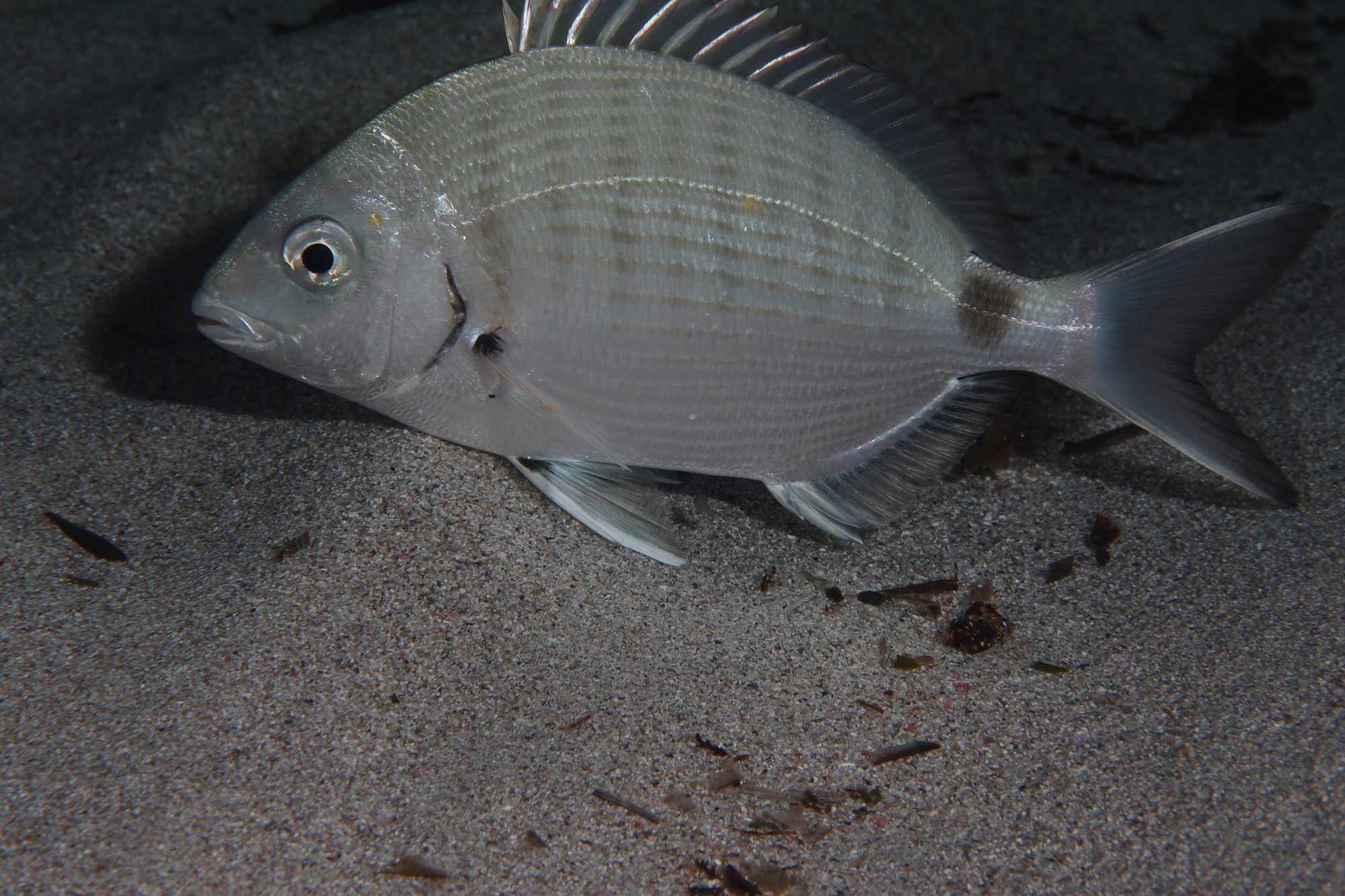
Dusky grouper are present and approachable. Seabream, damselfish, wrasse, moray in the rock margins, octopus on the sand edges, and small scorpionfish among the boulders.
Flora & Benthic Life
Photophilic algae on the illuminated rock and Posidonia at the cove margins. Shallow encrusting communities on shaded undersides.
Best Conditions
Sheltered in most conditions and diveable when much of the archipelago is not. Calm, sunny days give the best light at this depth.
Photography
Rated two stars honestly: this is not a photographic destination, and the light and terrain are unremarkable. It is, however, an excellent place to learn underwater photography — shallow, still, well lit, and with a cooperative large subject — which is a different and more useful thing.
DCC Tip
Use this dive to fix your weighting properly before the week starts. Three metres of water is where over-weighting is obvious and harmless to correct; thirty-five metres at Mérouville is where it costs you the dive.
Safety & Conservation
Shallow and sheltered, but shallow water is where fin contact with the reef happens — buoyancy is a conservation issue here more than a safety one. Grouper at this site are habituated and must not be fed, touched or followed into their shelters. Inside the Réserve Naturelle des Bouches de Bonifacio; access is subject to current protected-area regulations and daily operational conditions.
Collections
Dive these too
Bonifacio & the Limestone Coast
Cap de Pertusato
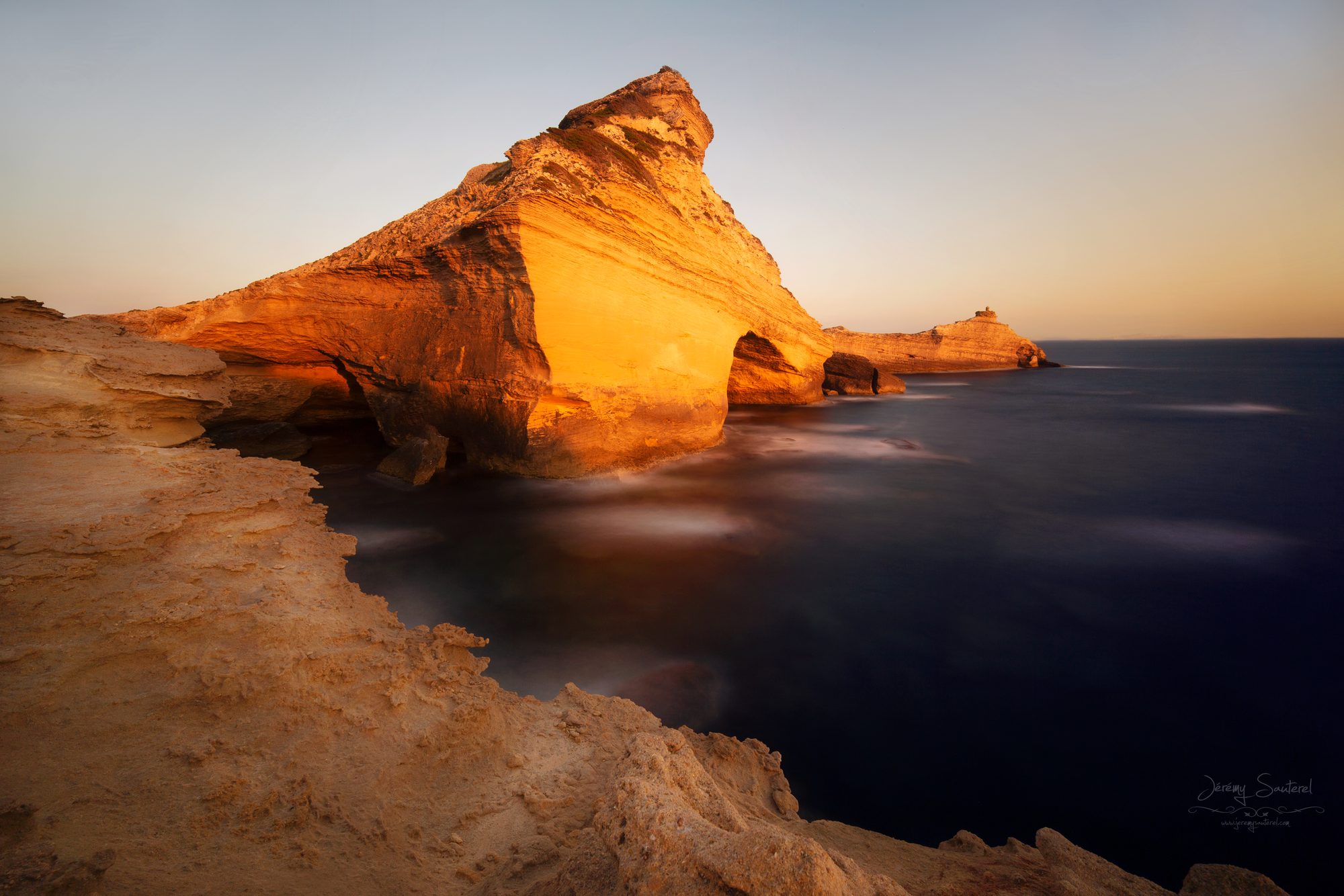
Bright, shallow water at the foot of Bonifacio's white cliffs.
Lavezzi & the Strait of Bonifacio
Beccu — Le Chameau
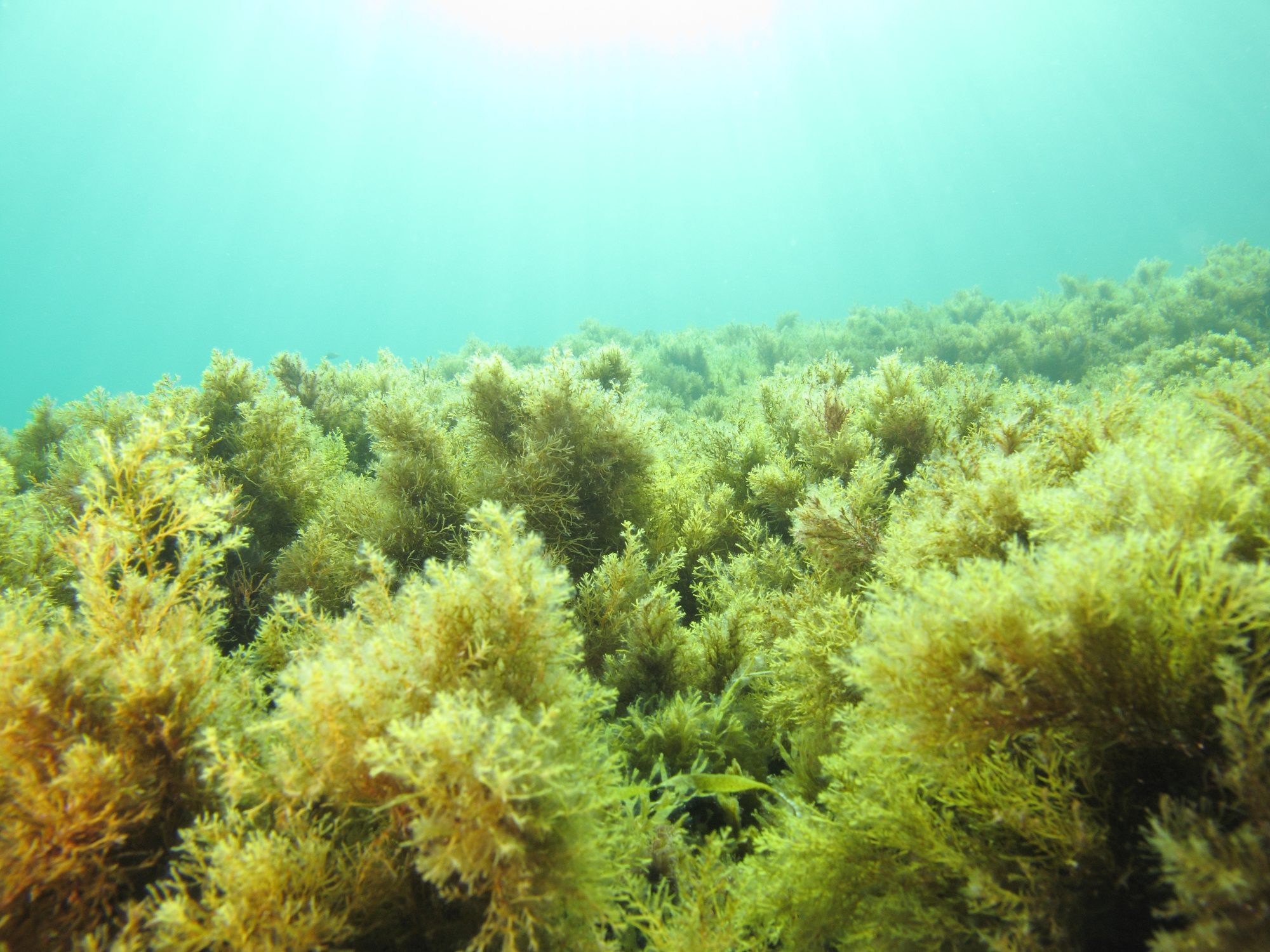
A shallow labyrinth of arches, tunnels and faults in granite.
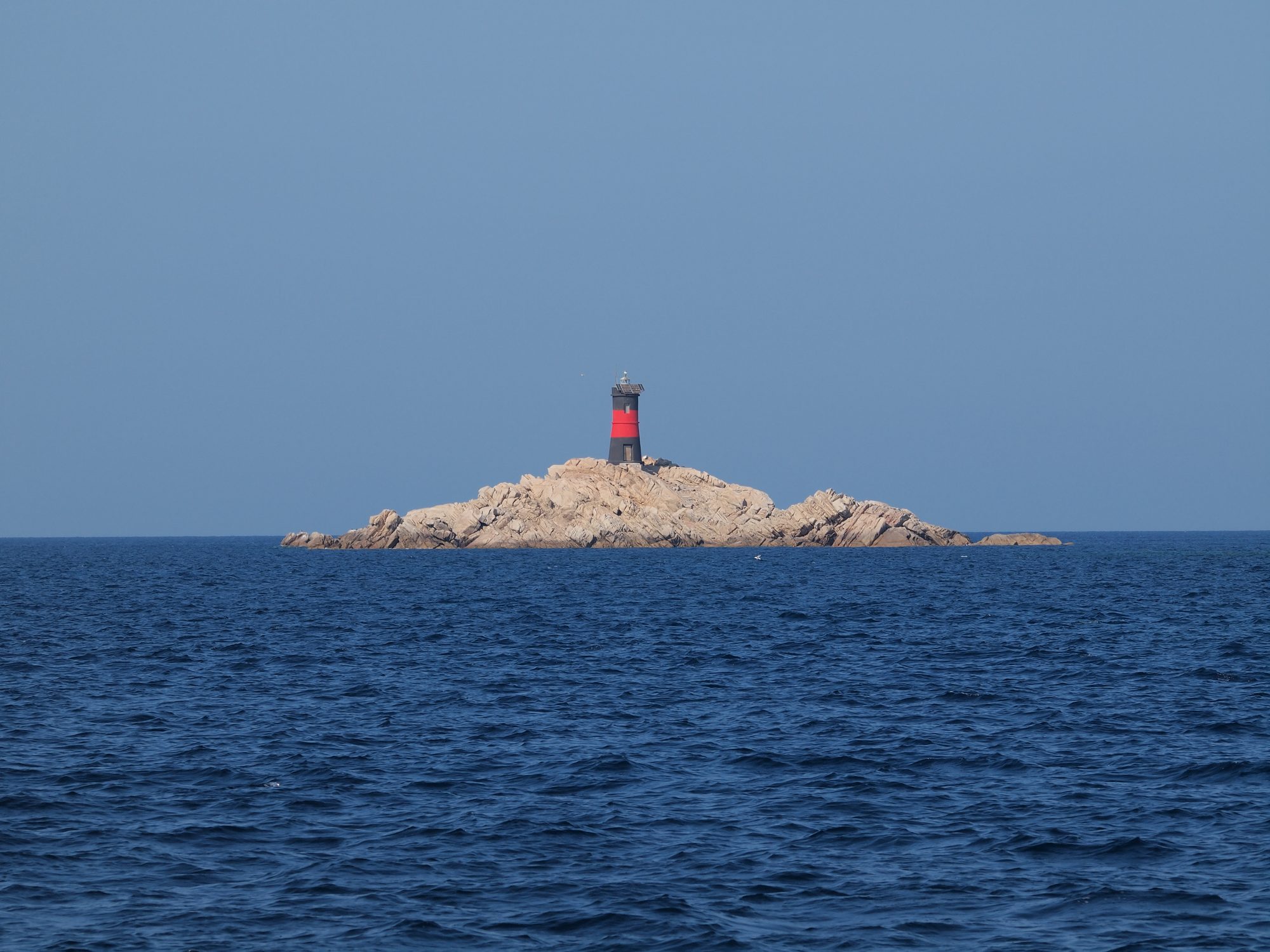
La Maddalena Archipelago
Barrettinelli di Fuori
The archipelago's easiest dive, and the closest to Cavallo.