Capo Testa
Grotta della Cernia
Granite spires, and light doing the work.
- Depth
- 4–30 m
- Certification
- Advanced
- Experience
- Intermediate
- Current
- Low
- Dive Style
- Granite Reef · Cavern Formations
How we rate
Our ratings compare the twenty-eight dives in this Explorer with one another; they are not universal scores. They show where each site stands within the DCC selection for photography, scenery and marine life, and five represents the strongest expression of that quality.
The Dive
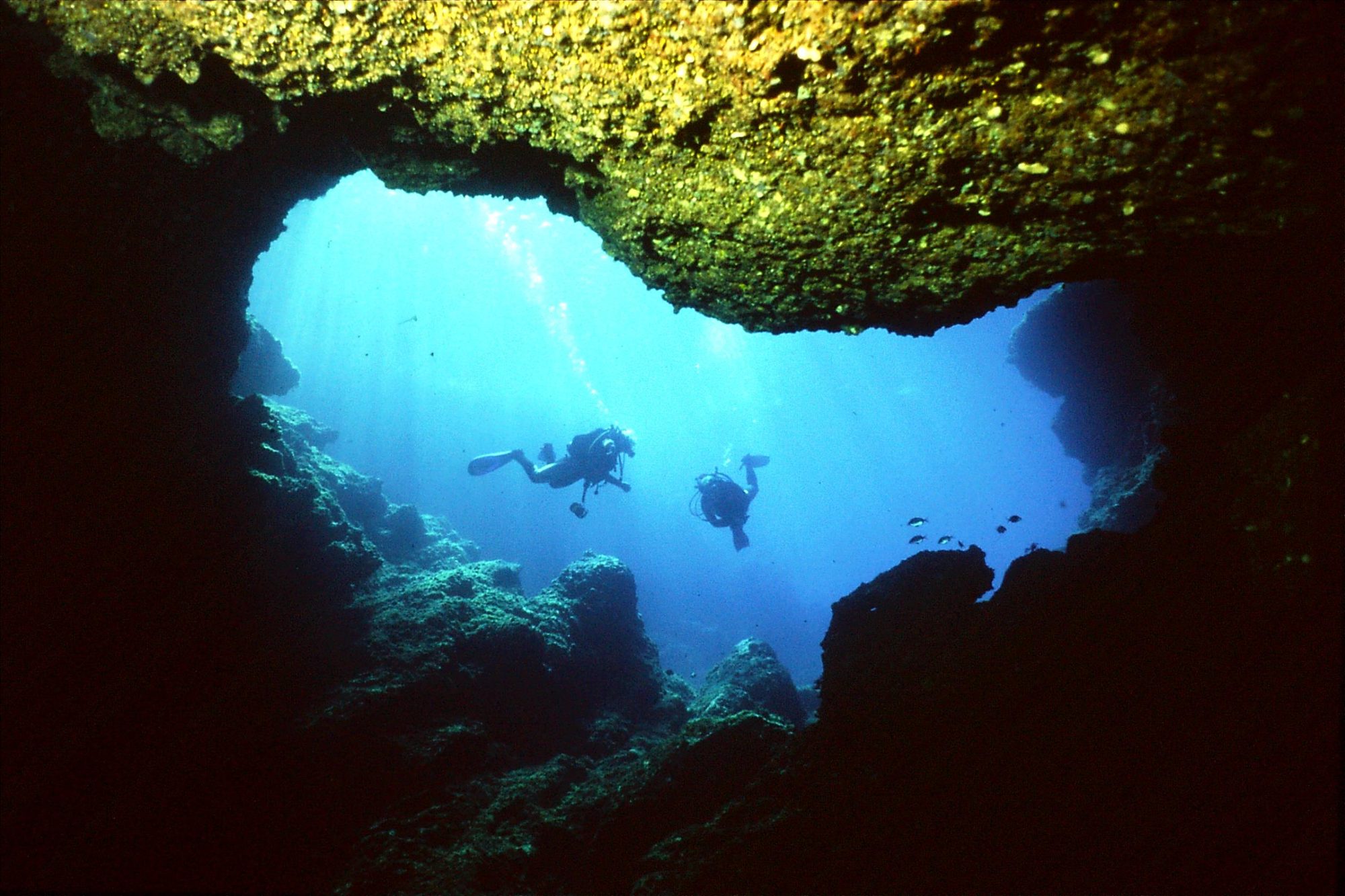
The name says cave, and the site is not one. What it actually is — and what its own local description calls it — is a secca: a granite reef threaded with an interlocking series of passages between spires and blocks. There are openings, recesses and shaded corridors, but there is no cave, and the page will not pretend otherwise.
What it does have is the best light in the Sardinian block. The reef runs from four metres to thirty, which means the shallow sections sit in full sun while the passages beside them are in deep shadow, and the boundary between the two is sharp. Swimming from one into the other is a physical change, and photographically it is the most productive terrain in this catalogue.
The shaded faces support a distinct community — shade-loving organisms that cannot live two metres away in the light — and the recesses hold the grouper that gave the site its name.
The Experience
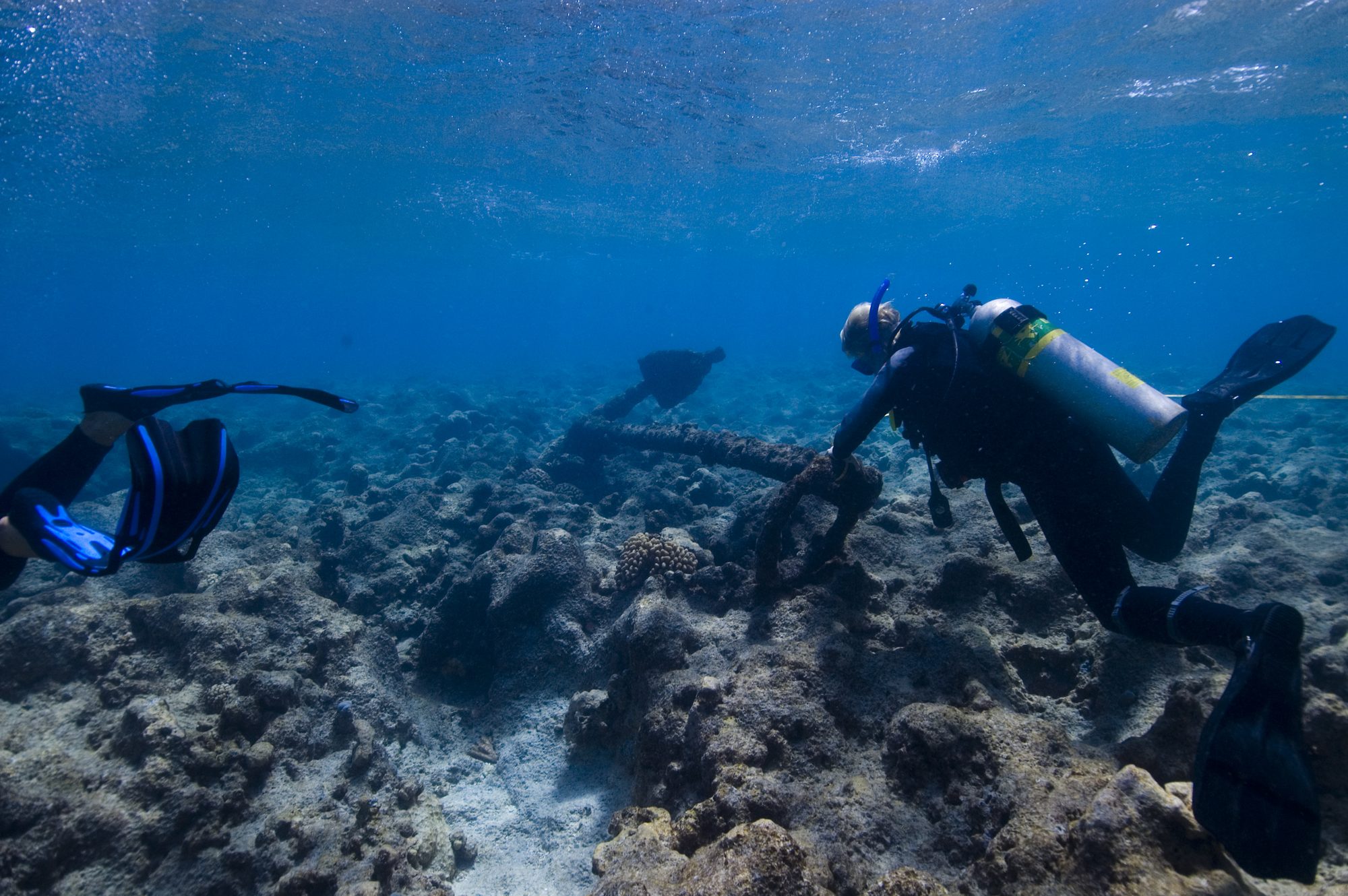
The route threads the architecture rather than circling it, passing between spires, under slabs and along corridors that open unpredictably onto blue water. Depth varies constantly, which keeps the dive from settling into a rhythm.
Attention divides between two scales. At distance, the openings and the shafts of light through them. Close in, the walls: yellow cluster anemone in dense beds, oysters, and the encrusting life that occupies every square centimetre of shaded rock. Grouper and moray use the darker recesses, and seabream and dentex hold in the open water beyond the spires.
Underwater Landscape
A granite secca running from four to about thirty metres: spires, blocks, interlocking passages, openings and shaded corridors. Not a cave system, and no true overhead.
Why It’s Special
- 01
The strongest light and shade contrast of any site in this catalogue
- 02
Granite spires and interlocking passages at accessible depth
- 03
A sharp, visible boundary between sun-loving and shade-loving communities
- 04
Dense yellow cluster anemone beds on the shaded walls
- 05
Very wide usable depth range, from four metres to thirty
Marine Life
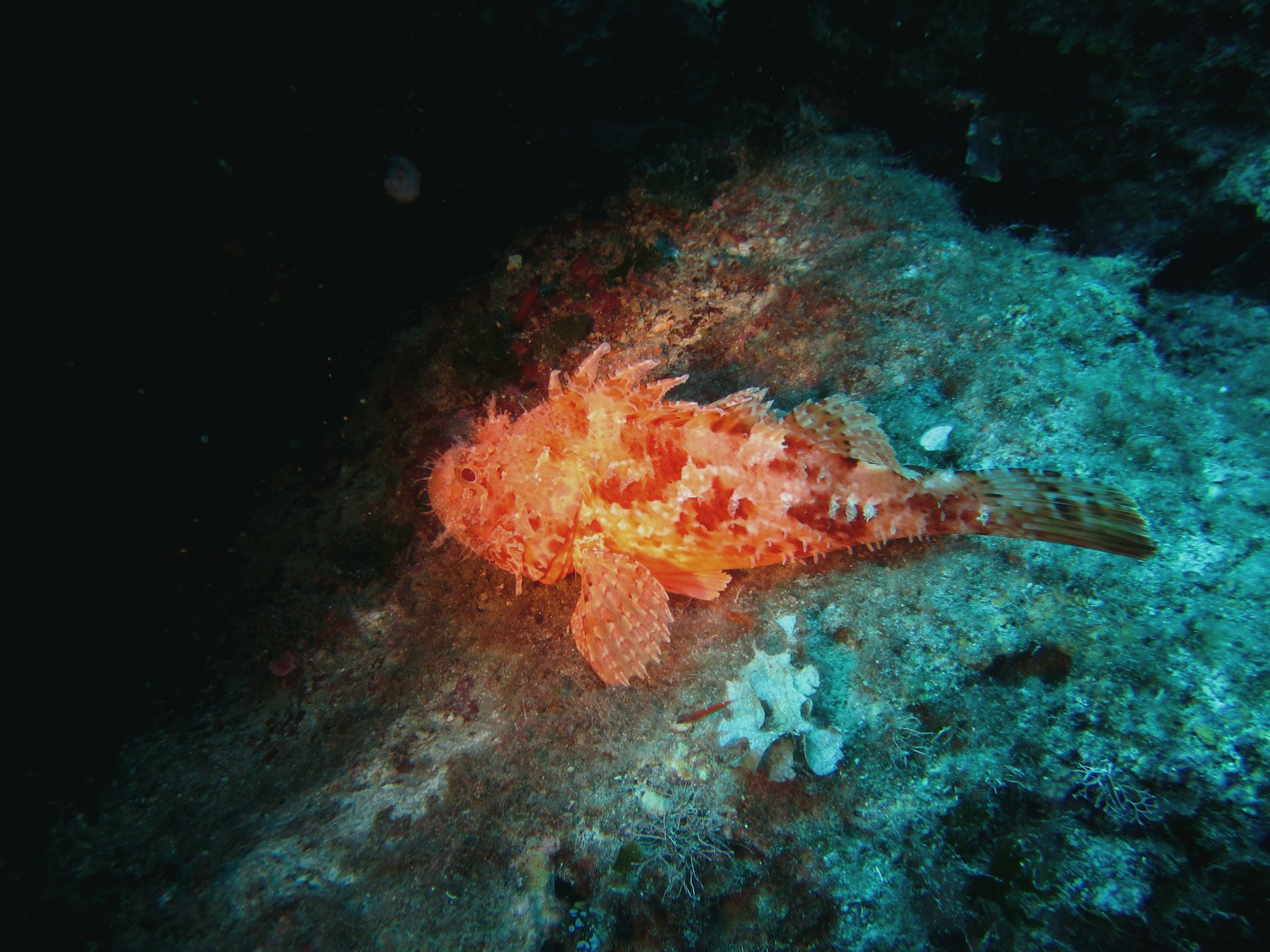
Dusky grouper and moray in the shaded recesses, seabream, common dentex, scorpionfish and brown meagre. Crustaceans in the crevices; small fish throughout the passages.
Flora & Benthic Life
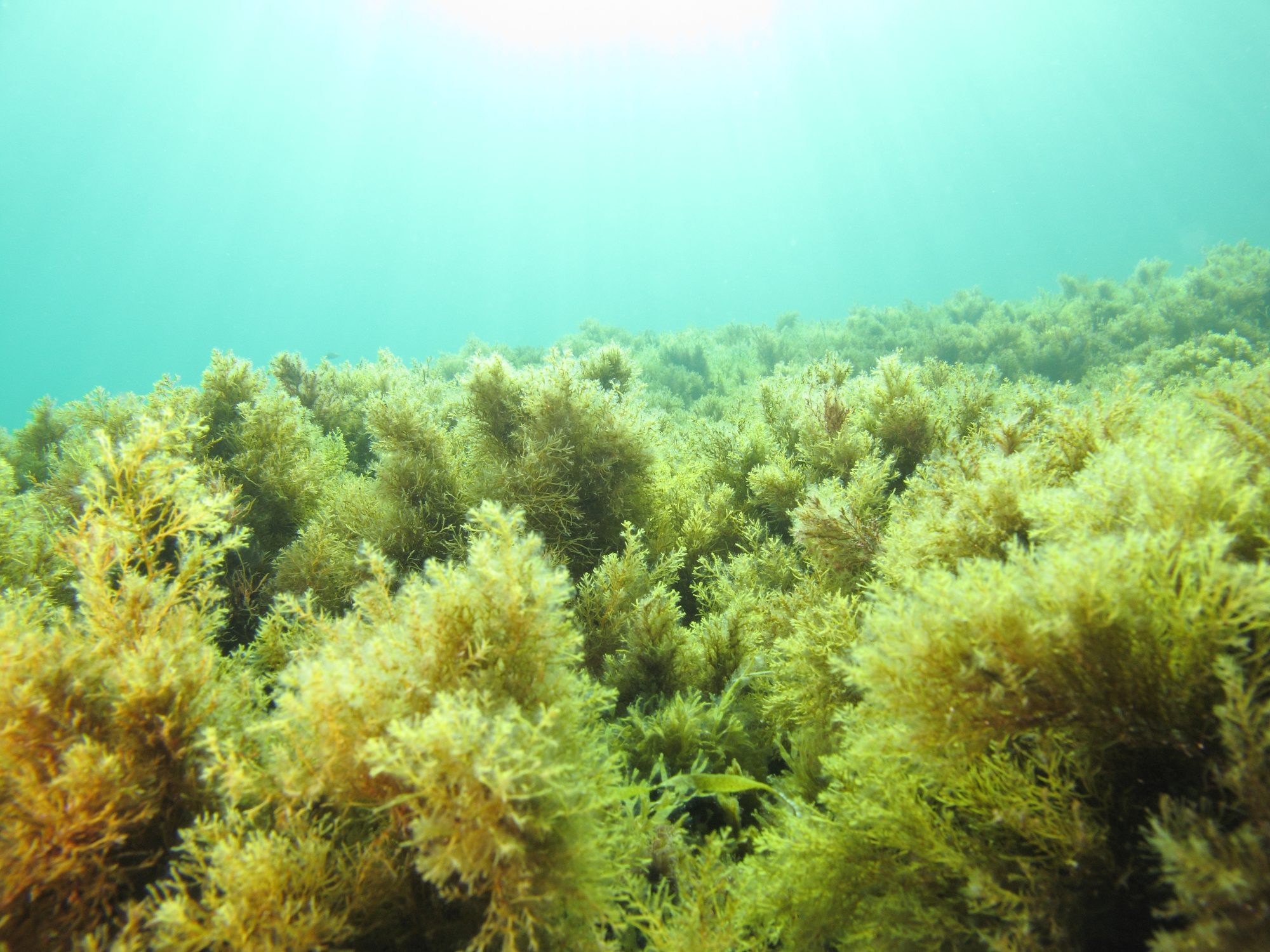
Walls carrying dense yellow cluster anemone (Parazoanthus axinellae) and oysters, with sponges, bryozoans and other shade-dwelling organisms on the low-light surfaces. Photophilic algal turf on the sunlit upper rock.
Best Conditions
Sheltered, with generally weak current. High sun is worth more here than anywhere else in the catalogue — the site's defining quality is the angle and strength of the light entering the passages, and an overcast day genuinely diminishes it.
Photography
Five stars, and the only site in the Sardinian block to earn them. Silhouette and backlight are the whole point: place a diver in an opening, expose for the water, and let the granite render black. Alternatively, shoot from inside a shaded passage toward a lit exit. The yellow zoanthid walls are the macro subject and want a strobe held well off-axis.
DCC Tip
Carry a torch even at midday. Not to see where you are going — the ambient light is fine for that — but because the shaded walls are full of colour that simply is not visible without it, and most divers swim past the best part of this site in monochrome.
Safety & Conservation
Passages and openings are swim-throughs with visible exits; no penetration into overhead environments is offered and routes are matched to the group's qualifications by the guide. Buoyancy control is the operative skill, both for safety in confined terrain and because the shaded walls are covered in slow-growing encrusting life that a single fin stroke removes. Grouper in the recesses are not to be pursued into shelter. Access is subject to current protected-area regulations and daily operational conditions.