North of Spargi
Barrettinelli di Fuori
The archipelago at its most forgiving, and the closest of all of it to Cavallo.
- Depth
- 5–20 m
- Certification
- Open Water
- Experience
- Beginner
- Current
- Low
- Dive Style
- Shallow Reef · Granite Reef
How we rate
Our ratings compare the twenty-eight dives in this Explorer with one another; they are not universal scores. They show where each site stands within the DCC selection for photography, scenery and marine life, and five represents the strongest expression of that quality.
The Dive
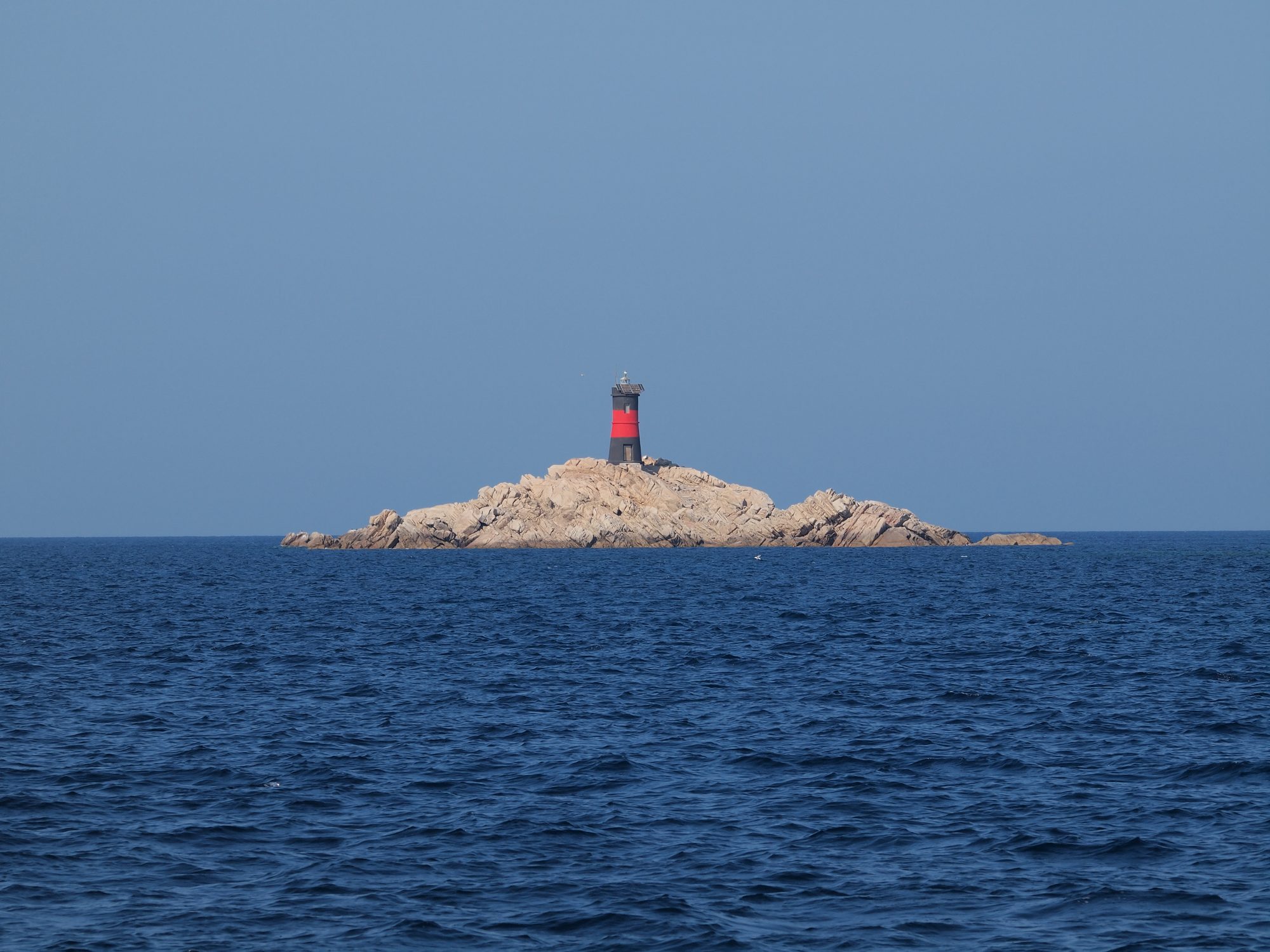
The Barrettini group lies north of Spargi, on the Cavallo side of the archipelago, and Barrettinelli di Fuori is its outer islet. The diving there is shallow — five to twenty metres — undemanding, and explicitly described by local operators as suited to easy dives and to snorkelling.
That makes it valuable for two quite different reasons. It is the only site in the La Maddalena section of this catalogue that a newly certified diver can do comfortably, which means a mixed group no longer has to choose between the archipelago and an accessible dive. And it is the northernmost of these sites, which makes it the shortest crossing from Cavallo — the archipelago without the full day at sea.
The terrain is straightforward granite in bright water: rounded rock, sand channels, and enough relief to be interesting without any of it being consequential.
Also known as Barrettinelli · Isola Barrettini group (IT)
The Experience
A gentle dive with no depth to manage and little current. The route follows the islet's granite into the shallows, crossing sand channels between rock groups.
The scale is small and the pleasures are correspondingly close-range: octopus on the sand margins, small fish working the rock, wrasse and seabream in numbers, and the granite itself, bright and grainy in strong light. Snorkellers can follow much of the same ground from the surface, which is a genuine practical advantage for families and mixed groups.
There is no depth to chase and no current to plan around, so the dive lasts as long as the gas does. That tends to make it the longest dive of the week, and one of the ones people remember, which is not what anybody expects of the easiest site in the catalogue.
Underwater Landscape
Granite continuing underwater from an outer islet: rounded rock groups, sand channels and modest relief from five metres to around twenty.
Why It’s Special
- 01
The only genuinely easy dive in the La Maddalena section of the catalogue
- 02
The shortest archipelago crossing from Cavallo
- 03
Shallow enough that snorkellers and divers can share the same site
- 04
Bright, clear, low-effort diving inside a national park
Marine Life
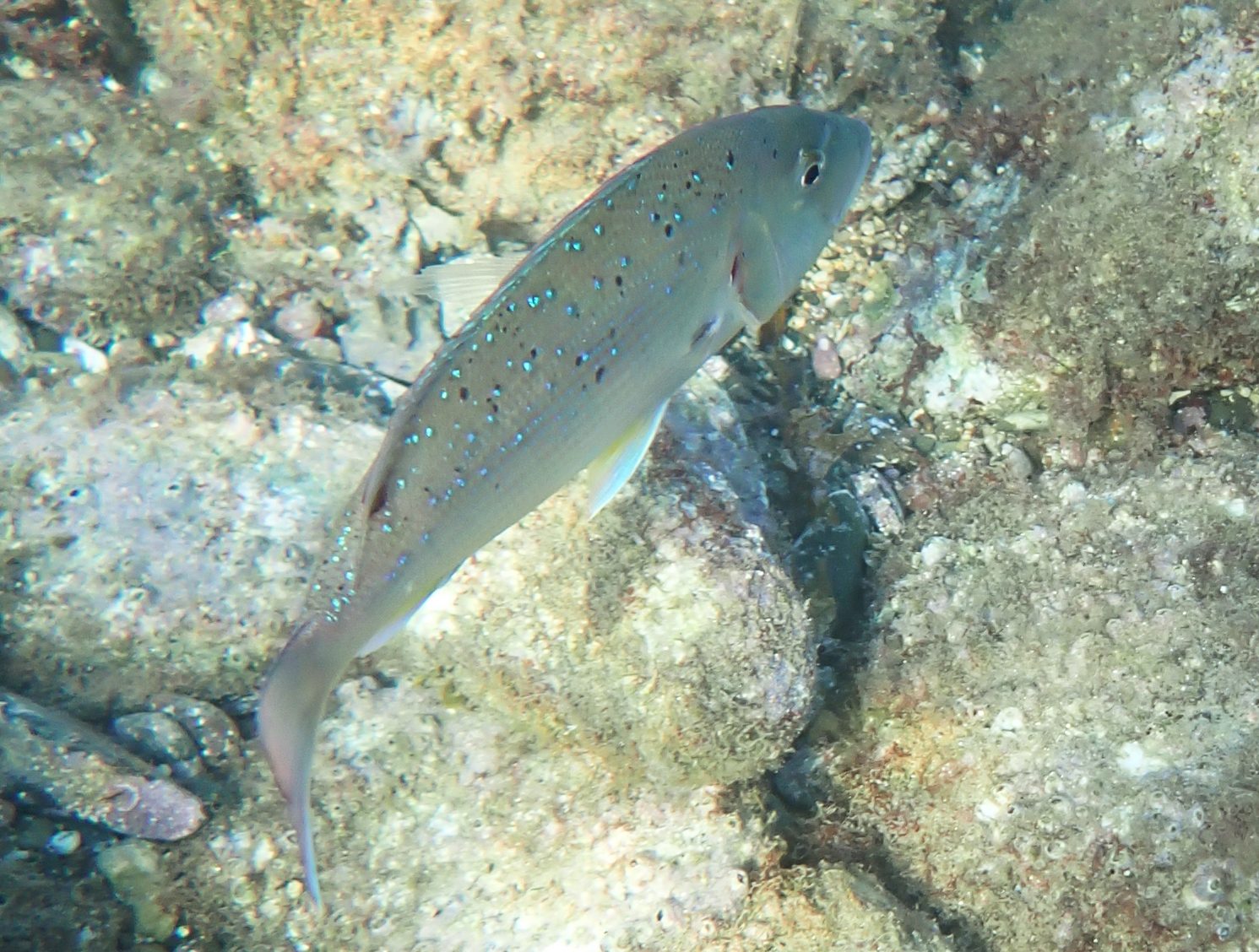
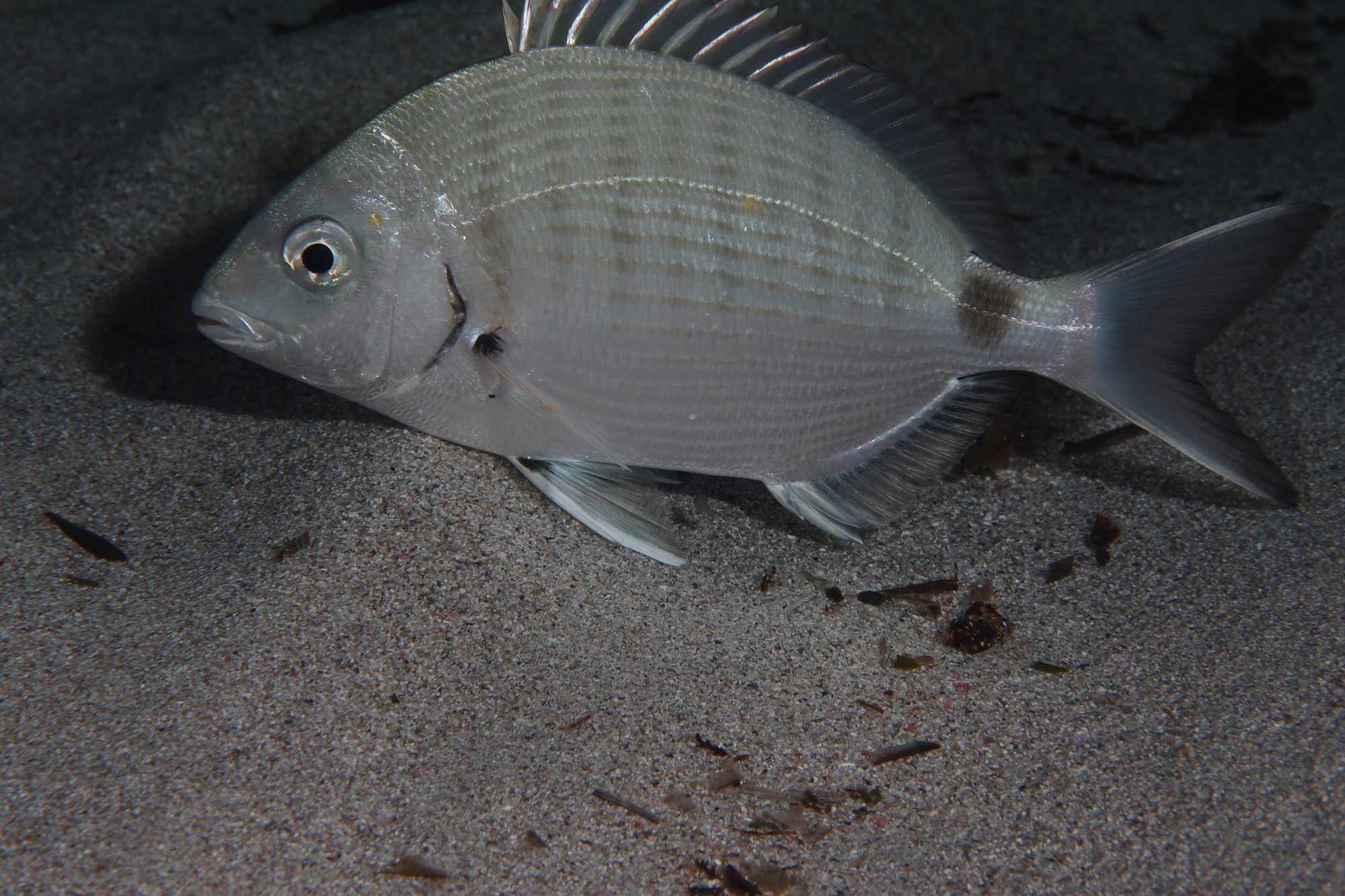
Seabream, damselfish, wrasse, octopus and moray, with the small reef fauna characteristic of shallow granite in the archipelago. Larger fish are not a feature of this site and are not promised.
Flora & Benthic Life
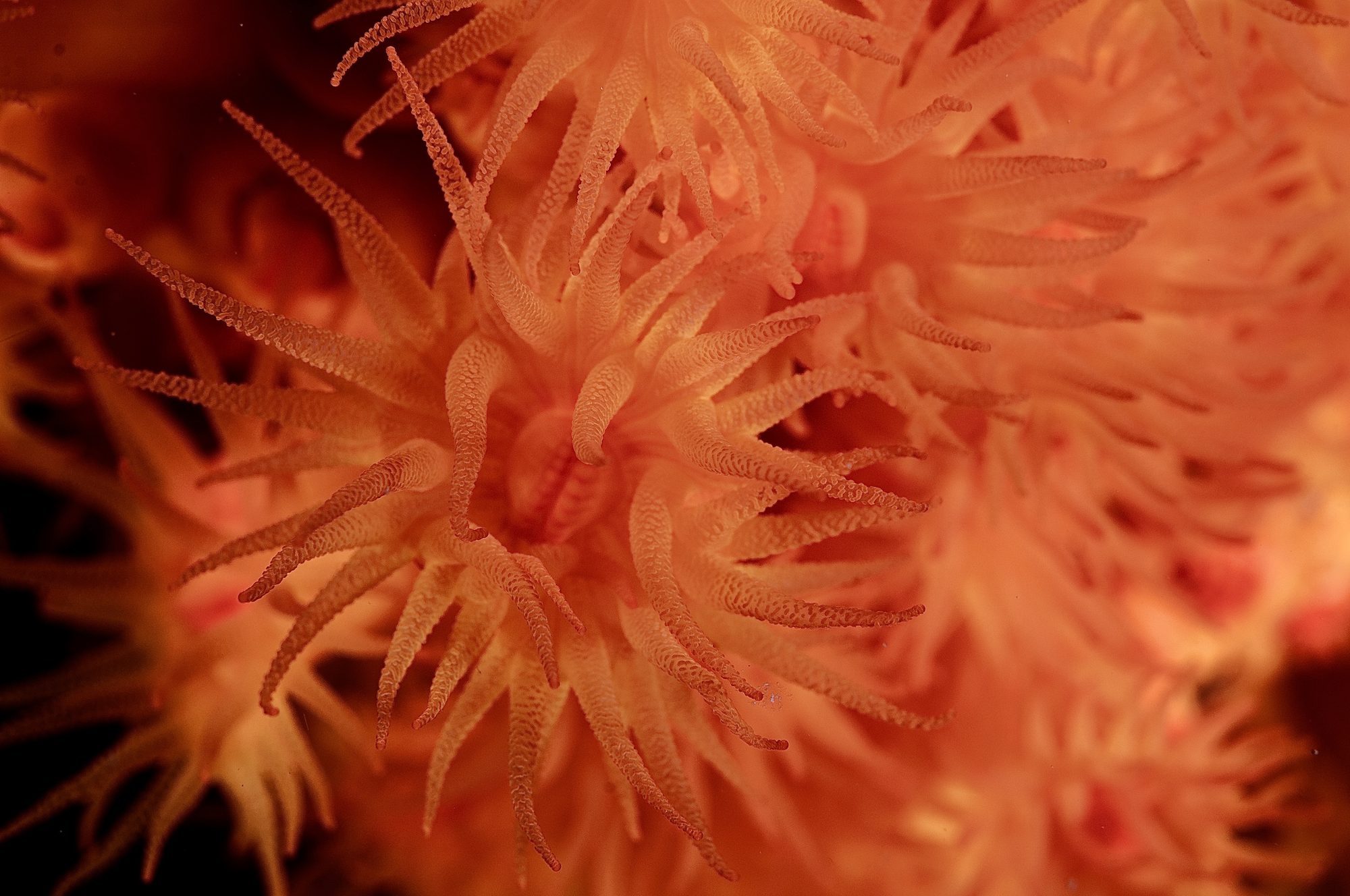
Photophilic algal communities on the illuminated rock, with Posidonia at the margins and encrusting organisms beneath the overhangs.
Best Conditions
Sheltered and low-current, diveable across a wide range of conditions. The shallow depth means light and sun matter more than visibility.
Photography
Three stars: not a destination, but an easy and productive site to shoot. Strong natural light at five to fifteen metres, no current to fight, and time to work a subject — an unusually good place for a first attempt at wide angle, or to test a new setup before a serious dive elsewhere.
DCC Tip
Bring the snorkellers. Barrettinelli is the one site here where the people not diving get a genuinely good experience from the surface, and planning the day around that rather than treating it as a compromise makes it the best family dive in the catalogue.
Safety & Conservation
Shallow and undemanding, but boat traffic in the archipelago is heavy in season and surface marker buoys and controlled ascents are standard. Divers and snorkellers sharing a site require clear separation of the water column. Shallow reef communities are easily damaged by fin contact and by standing — nothing here is deep enough to be safe from carelessness. Diving here is subject to national park authorisation, current protected-area regulations and daily operational conditions.
Collections
Dive these too
La Maddalena Archipelago
Spargiottello
Two gorgonian species zoned by light, and barracuda on the cap.
Lavezzi & the Strait of Bonifacio
Crique à Kiki
A sheltered cove with resident grouper, for first dives.
La Maddalena Archipelago
Picchi di Coticcio
Pink granite spires rising almost to the surface, in still water.