South-east Lavezzi
Îlot Perduto
The last rock before open sea, and a reef that shelters behind it.
- Depth
- 5–30 m
- Certification
- Open Water
- Experience
- Intermediate
- Current
- Condition-dependent
- Dive Style
- Granite Reef · Offshore Reef
How we rate
Our ratings compare the twenty-eight dives in this Explorer with one another; they are not universal scores. They show where each site stands within the DCC selection for photography, scenery and marine life, and five represents the strongest expression of that quality.
The Dive
The Perduto islet is the easternmost point of the archipelago — beyond it there is nothing until Sardinia. The dive is on the islet itself rather than on the marked reef half a mile away, and the two are frequently confused; they are different sites with different characters.
This one is the gentler of the pair. The granite runs down from the islet into the water and continues as a reef of blocks, fissures and small walls, with sheltered ground on the lee side whichever way the weather is coming from. That shelter is its practical value: when the beacons are unworkable, there is often still a diveable face here. Its biological value comes from the same isolation — a small, self-contained rock community a long way from the coast, used by reef fish and crustaceans as a refuge.
It is an exploratory dive rather than a headline one, and it has the quiet quality that goes with that.
Also known as Scoglio del Perduto (IT) · Îlot Sperduto · Gli Sperduti (IT, for the group)
The Experience
The route follows the underwater continuation of the islet, working around it and choosing the sheltered aspect. The terrain is intimate: gaps between blocks, undercuts, and small sandy floors between rock groups, rather than sweeping walls.
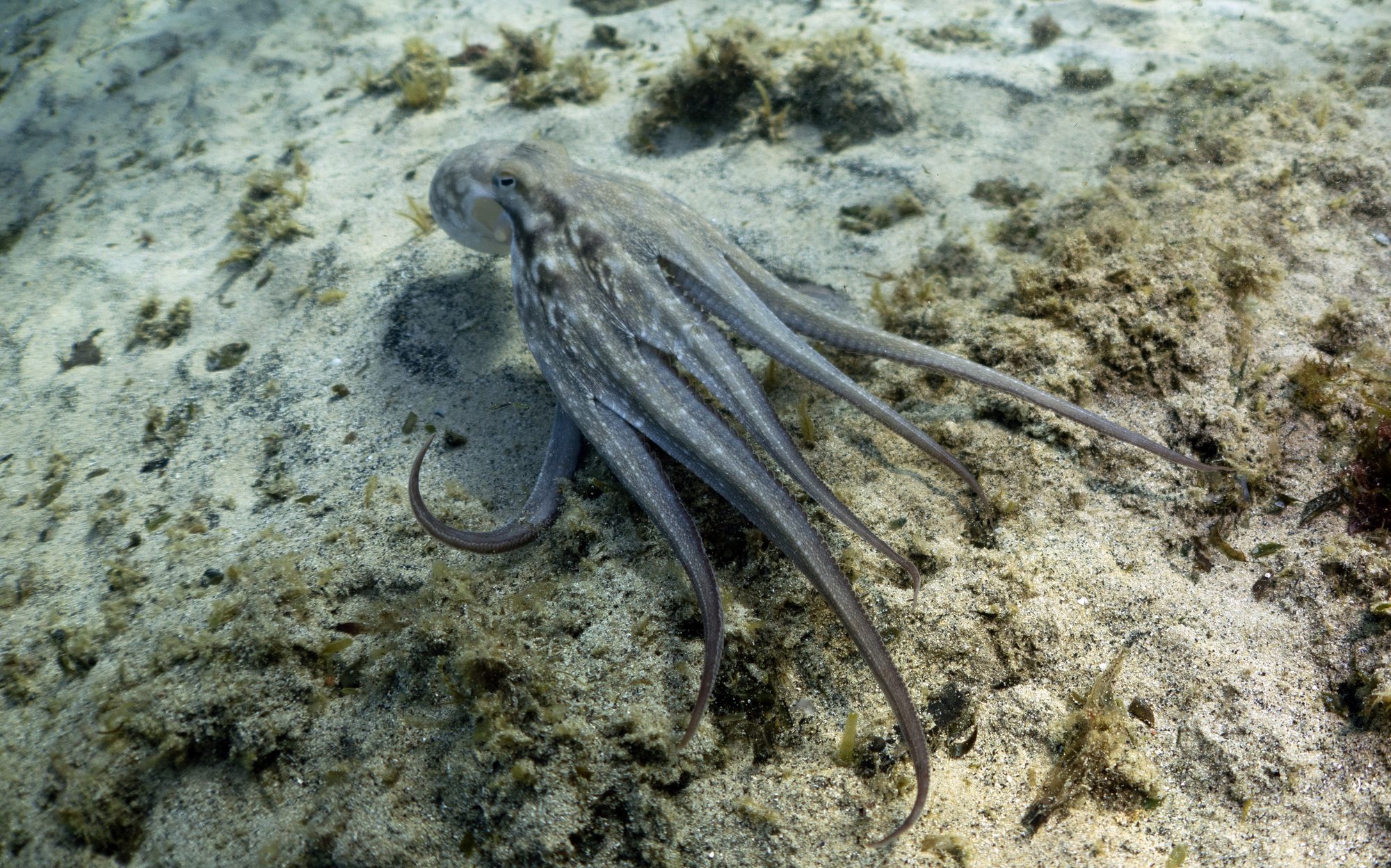
The interest is close-range. Moray occupy the fissures, crustaceans work the undersides, and grouper hold in the larger recesses. Looking out from the rock, the water is open and empty in a way that the inner Lavezzi sites never are, and occasional larger fish pass in that emptiness.
The pace is slow by necessity rather than by choice: the terrain does not reward covering ground, and the divers who get the most out of it are the ones who spend forty minutes on thirty metres of rock.
Underwater Landscape
Granite continuing underwater from an isolated islet: block fields, fissures, undercuts and low walls, with sand patches between rock groups. Modest relief compared with the western Lavezzi.
Why It’s Special
- 01
The easternmost rock in the archipelago, with genuine end-of-the-map atmosphere
- 02
A sheltered aspect available in most conditions when the offshore beacons are not
- 03
A compact, self-contained reef community — rewarding for divers who like looking closely
- 04
Clear separation from the Balise de Perduto, which is a different dive entirely
Marine Life
Moray, crustaceans, dusky grouper and the general community of rock-dwelling fish are reported here. Larger fish may pass in the open water off the rock.
Flora & Benthic Life
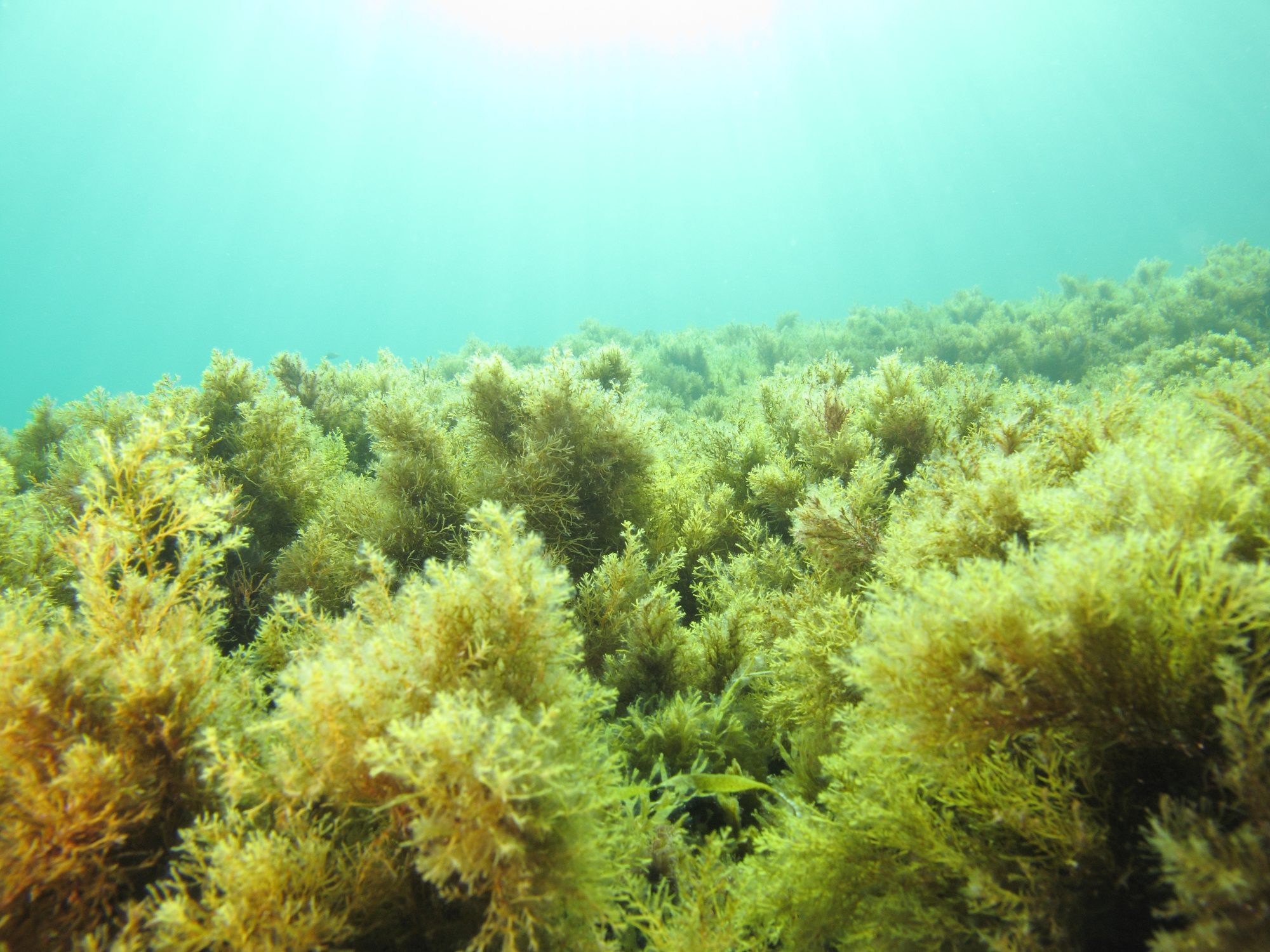
Algal turf on the illuminated rock, encrusting sponges and bryozoans beneath the overhangs, and sparse Posidonia on the sand.
Best Conditions
Exposed position, but the islet's geometry means there is usually a workable aspect. Current varies with the weather regime and can accelerate around the ends of the rock.
Photography
This is a macro and close-focus site, and it is rated as such. The fissures and undercuts hold nudibranchs, shrimps and small cryptic fish, and the granite itself — grain, lichen-like encrustation, fracture lines — is a better subject at fifty centimetres than at five metres.
DCC Tip
Take a torch even though the dive is shallow. Almost everything worth finding here is under something — the site's population lives in the shaded undersides of blocks, not on their tops, and ambient light will not show you any of it.
Safety & Conservation
An offshore site well away from the islands; group cohesion and boat cover matter more than the modest depth suggests. Current accelerates at the extremities of the rock — the guide will set the route to use it rather than fight it. Buoyancy control in tight terrain protects both the diver and the benthic communities in the undercuts. Inside the Réserve Naturelle des Bouches de Bonifacio; access is subject to current protected-area regulations and daily operational conditions.
Dive these too
Lavezzi & the Strait of Bonifacio
Balise de Perduto
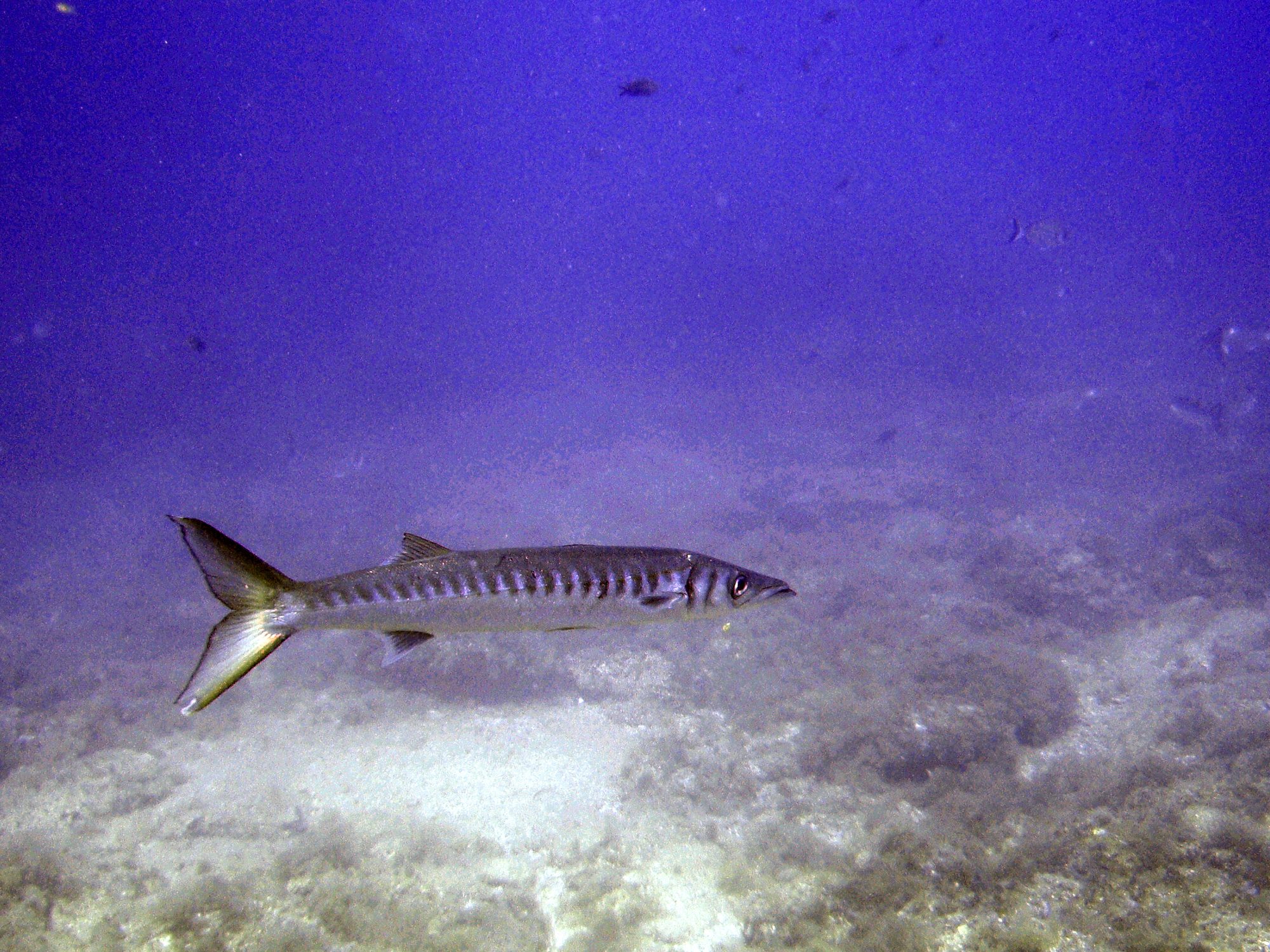
Barracuda schools circling an offshore beacon.
Lavezzi & the Strait of Bonifacio
Tête de Cheval
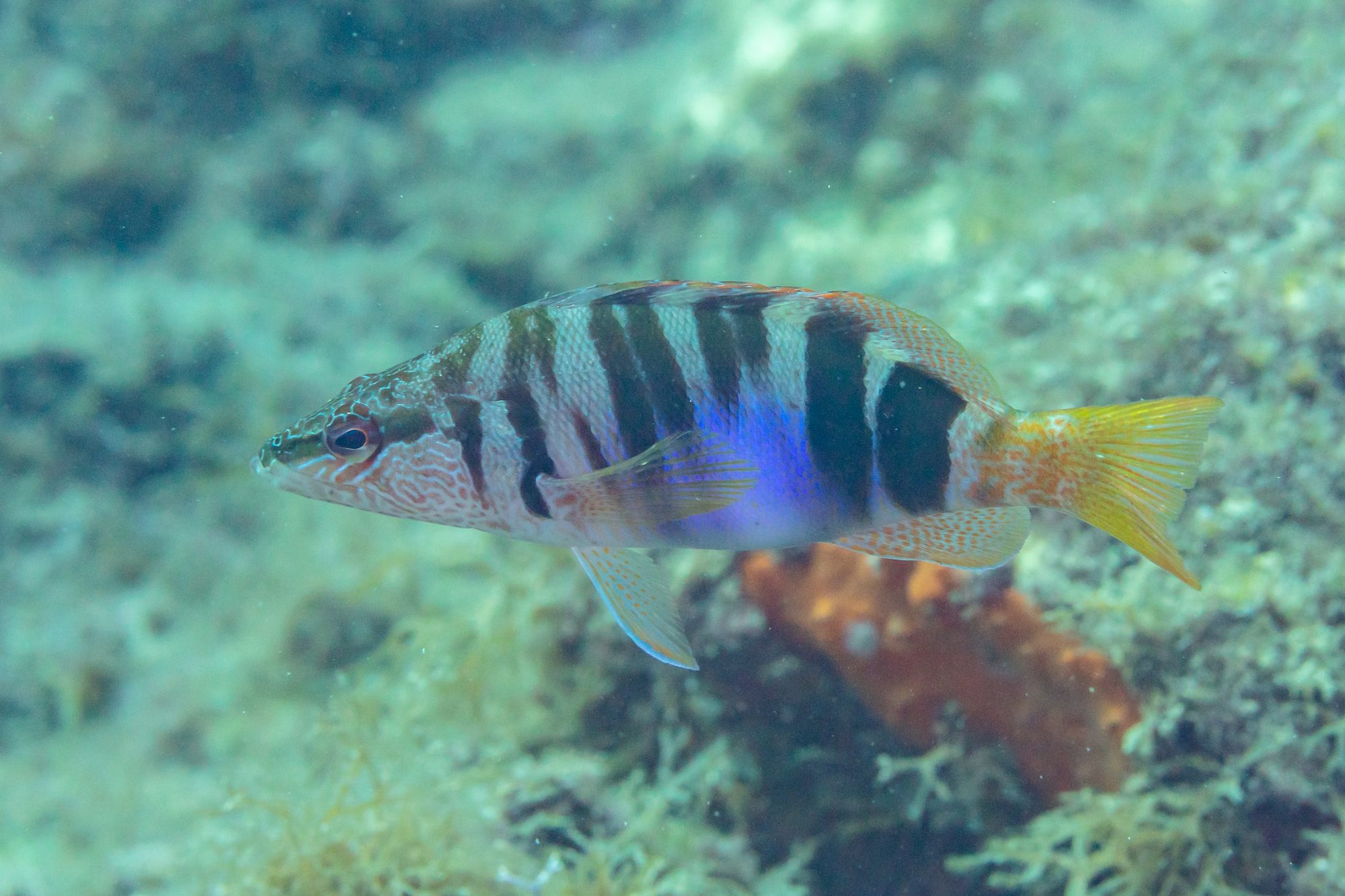
Isolated rocks in open water, with dentex crossing the gaps.
Lavezzi & the Strait of Bonifacio
Beccu — Le Chameau
A shallow labyrinth of arches, tunnels and faults in granite.