Western Lavezzi
Tête de Cheval
Open water, isolated rock, and fish that arrive from nowhere.
- Depth
- 12–40 m depending on itinerary
- Certification
- Advanced
- Experience
- Intermediate
- Current
- Moderate
- Dive Style
- Granite Reef · Offshore Reef
How we rate
Our ratings compare the twenty-eight dives in this Explorer with one another; they are not universal scores. They show where each site stands within the DCC selection for photography, scenery and marine life, and five represents the strongest expression of that quality.
The Dive
Tête de Cheval is the companion formation to Tête d'Homme and sits a short distance from it, but it dives quite differently. Where the Tête d'Homme is one object to be circumnavigated, this is a group of separated granite masses with open water between them — and that openness is the point. The fish here are not reef residents so much as visitors, and a good dive is often decided by what comes past rather than by what lives on the rock.
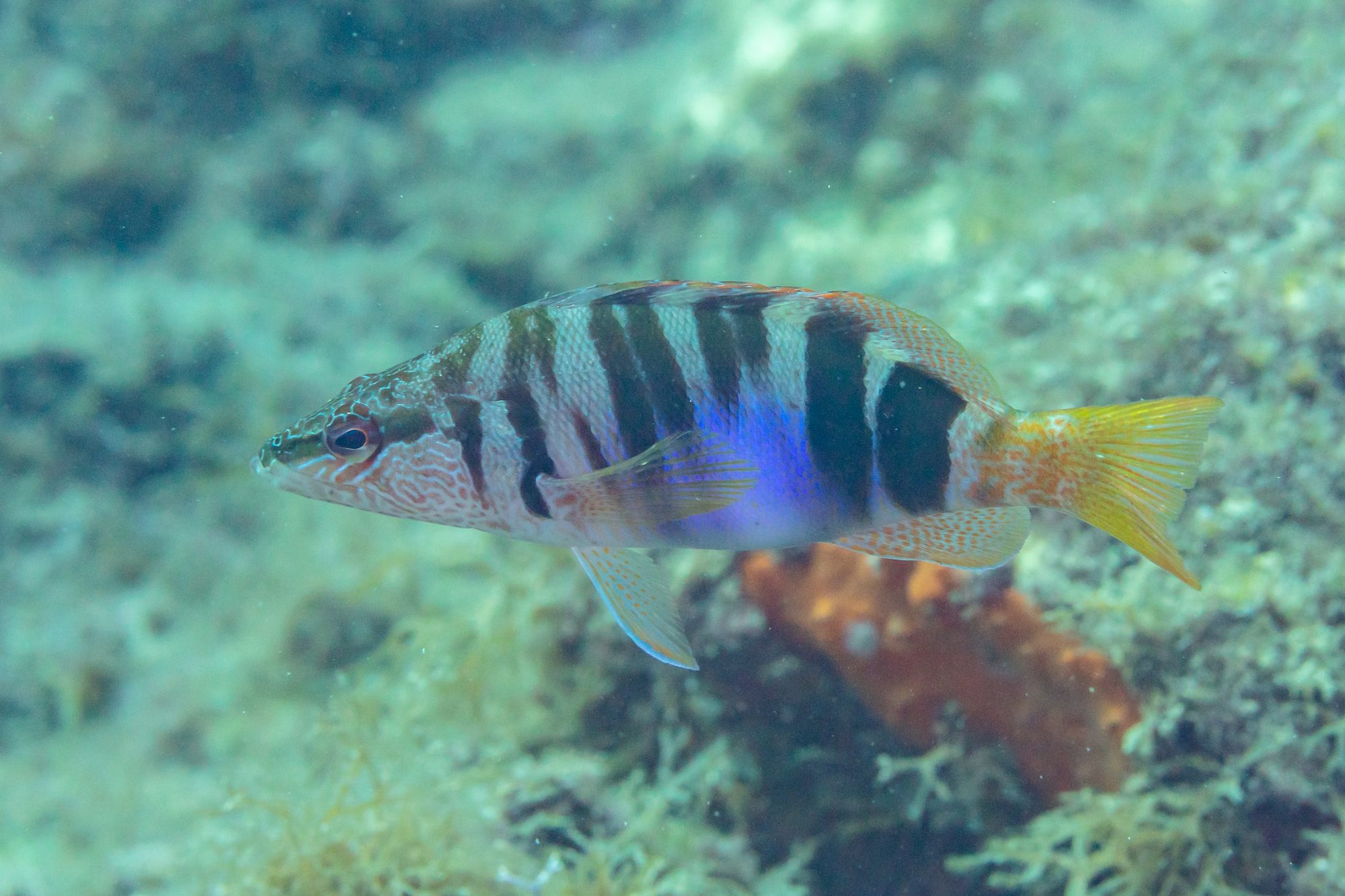
It is one of the longest-standing named sites in the diving literature of southern Corsica, appearing in Italian and French listings alike, and it has stayed on operators' menus for a simple reason: exposed isolated rock in a channel with moving water accumulates predators. Dentex, grouper and seabream are all reported here, with gorgonians on the faces that catch the flow.
Because it is exposed, the day is chosen for the site rather than the other way round — which is part of why divers who get a good one here remember it.
Also known as Testa di Cavallo (IT)
The Experience
The dive works between the rocks rather than around a single one, crossing short stretches of open sand and rejoining structure. That rhythm — shelter, exposure, shelter — is what makes it interesting; it is also what makes the current noticeable, since the gaps offer nothing to hide behind.
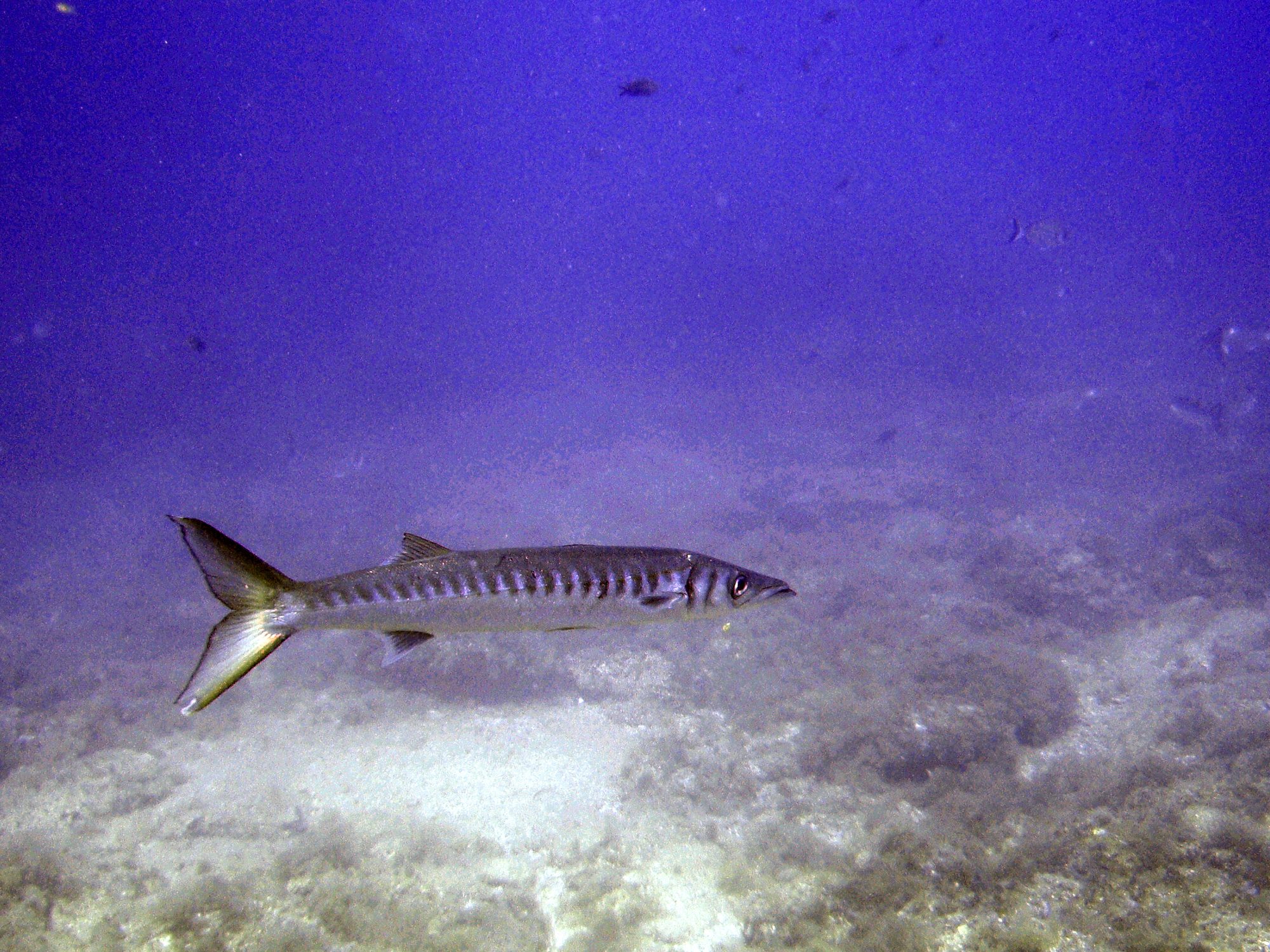
Attention has to be split. Close to the rock there are gorgonian faces and grouper under the overhangs. Away from it, gilthead and dentex cut across the gaps at speed, and the interesting encounters usually happen in the second or two before they change direction.
Underwater Landscape
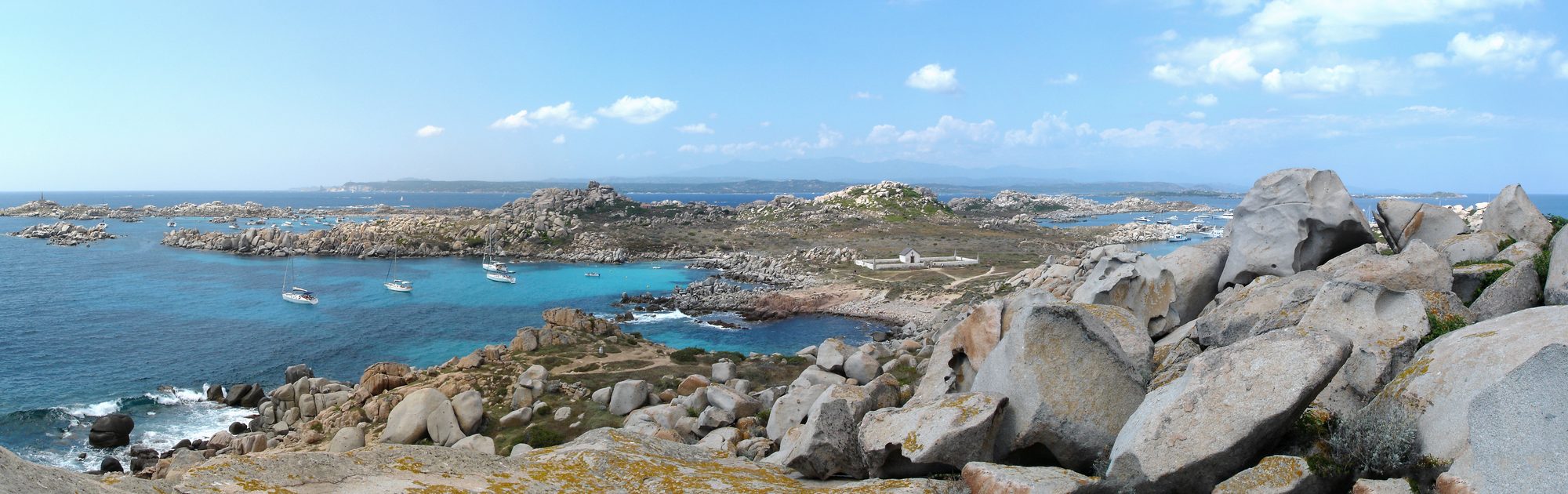
Separated granite masses and elevations rising from sand, with open ground between them and steeper faces on the seaward sides. Less monolithic and more scattered than its neighbour.
Why It’s Special
- 01
A cluster of isolated rocks rather than a single reef, giving genuinely open-water diving close to shelter
- 02
Reliable dentex and seabream activity in the gaps between formations
- 03
Red gorgonian on the current-facing walls
- 04
A classic of the southern Corsican canon, dived for decades
Marine Life
Common dentex, dusky grouper, seabream including gilthead, forkbeard and brown meagre are all reported here, together with the fauna associated with the gorgonian faces.
Flora & Benthic Life
Red gorgonian on the exposed vertical faces. Encrusting sponges and bryozoans in the shade; sparse Posidonia on the sand between the rocks.
Best Conditions
Exposed, and dived when the sea allows. Moderate current is usual and can strengthen quickly with a shift in the wind. Visibility varies more here than at the sheltered sites.
Photography
Harder than its neighbours and rated accordingly. The subjects are mobile and the backgrounds are often empty water, which is unforgiving. The reliable frame is a gorgonian fan shot from below against the surface, with a diver crossing one of the gaps behind it.
DCC Tip
Do not race between the rocks. The gaps are where the fish traffic is, and divers who treat them as transit legs to the next piece of structure miss most of what the site offers. Cross slowly, facing into the flow.
Safety & Conservation
An exposed site with no continuous shelter: the group stays together and the crossings are made as a group, not individually. Current can set across the gaps, and the dive plan accounts for the return leg before it is needed. Gorgonians are fragile — no contact. Inside the Réserve Naturelle des Bouches de Bonifacio; access is subject to current protected-area regulations and daily operational conditions.
Dive these too
Lavezzi & the Strait of Bonifacio
Tête d'Homme
A granite massif thirty metres high, with a face in profile.
Lavezzi & the Strait of Bonifacio
Écueil des Lavezzi — Balise Sud
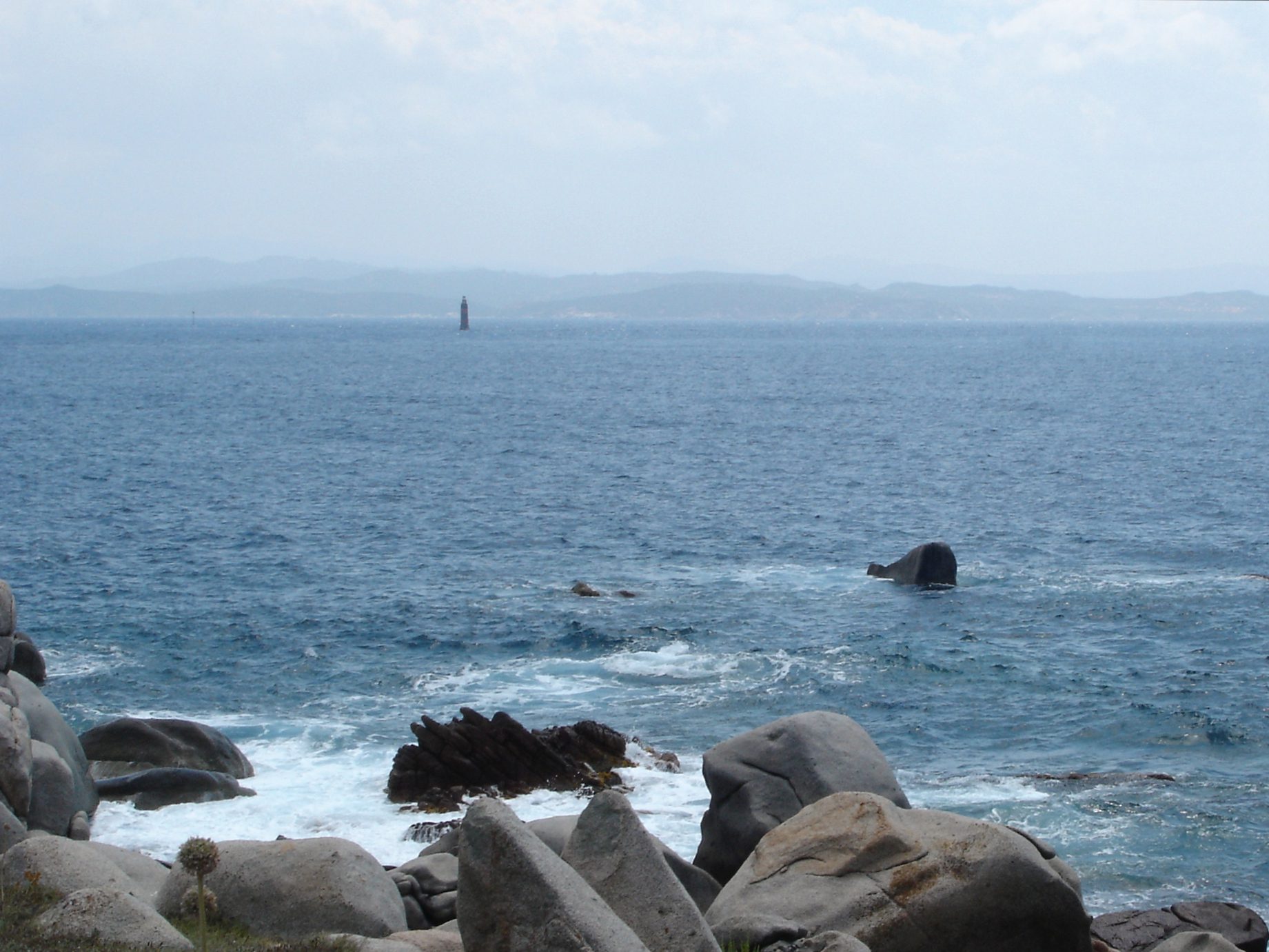
A drift over granite towers at France's southernmost point.
Lavezzi & the Strait of Bonifacio
Balise de Perduto
Barracuda schools circling an offshore beacon.