Punta Falcone — off Rena Bianca
Secca del Cristo
Granite islands in a seagrass plain, and the day's shelter when the mistral blows.
- Depth
- 10–35 m depending on itinerary
- Certification
- Open Water — Advanced recommended
- Experience
- Intermediate
- Current
- Low
- Dive Style
- Pinnacle / Shoal · Granite Reef
How we rate
Our ratings compare the twenty-eight dives in this Explorer with one another; they are not universal scores. They show where each site stands within the DCC selection for photography, scenery and marine life, and five represents the strongest expression of that quality.
The Dive
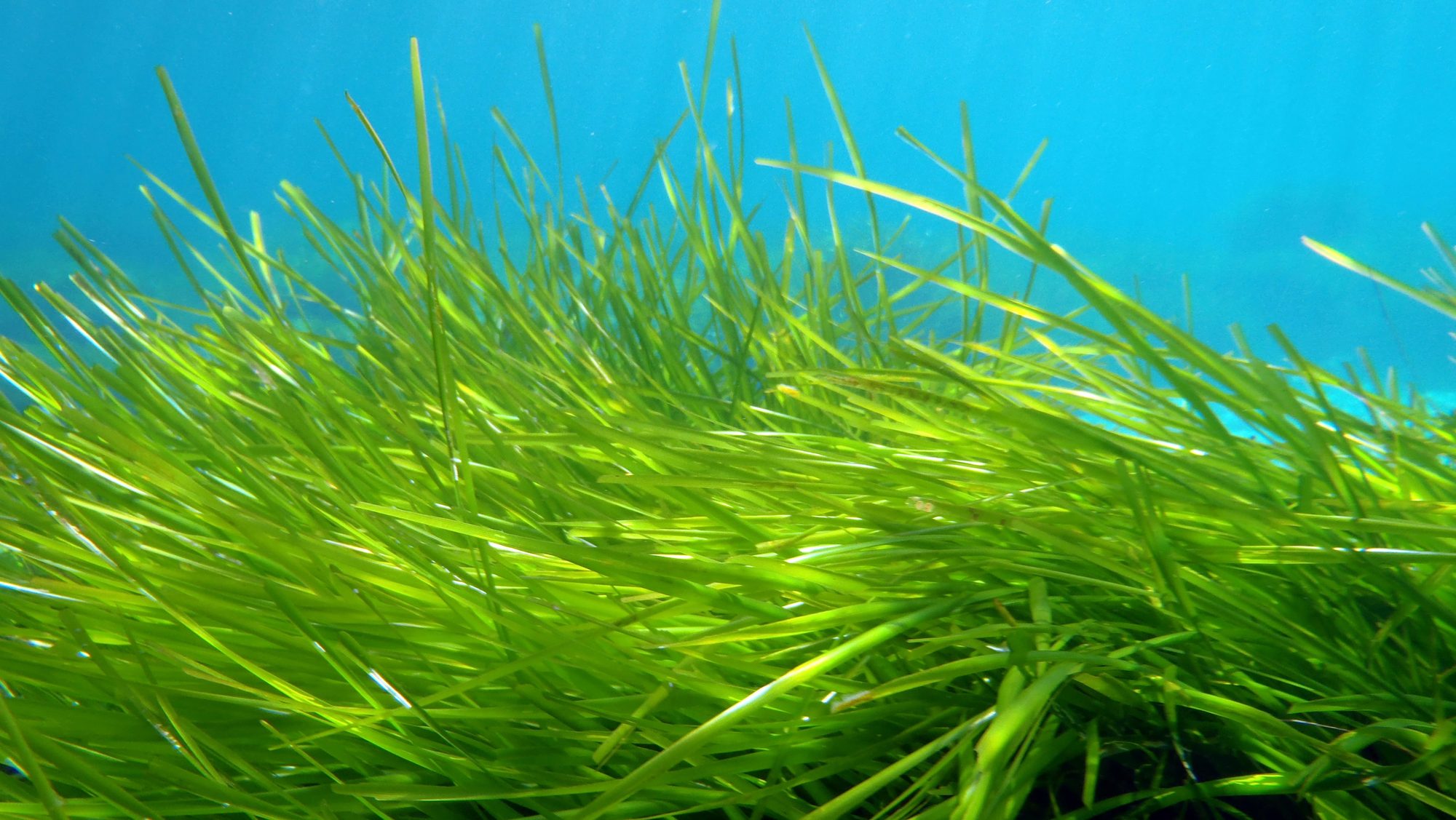
This shoal lies off the Rena Bianca shore and has an unusual structure: a group of large rocks standing in the middle of an extensive Posidonia meadow. The rocks behave like islands. Everything that needs hard substrate is concentrated on them, everything that needs seagrass is around them, and the boundary between the two is where the dive happens.
Its practical value is its position. The shoal sits in the lee when the mistral is running, which in this part of the Mediterranean is often, and it is the site that keeps a diving day alive when the exposed sectors are shut.
It also carries history. Local sources describe material from Roman, medieval and Spanish periods on this ground — unsurprising for a shoal lying directly off a natural landing place at the entrance to the Strait, and a reminder that almost every hard bottom on this coast has had ships over it for two thousand years. There is no statue here, despite the name; the origin of the name is not documented, and this page does not invent one.
Also known as Il Cristo (IT)
The Experience
You descend onto the meadow and work toward the rocks, which is the right way round — the seagrass approach is a proper part of the dive rather than a transit. Posidonia is a flowering plant, not an alga, and a healthy meadow is a dense, dark, slowly moving canopy with its own fauna hidden in it.
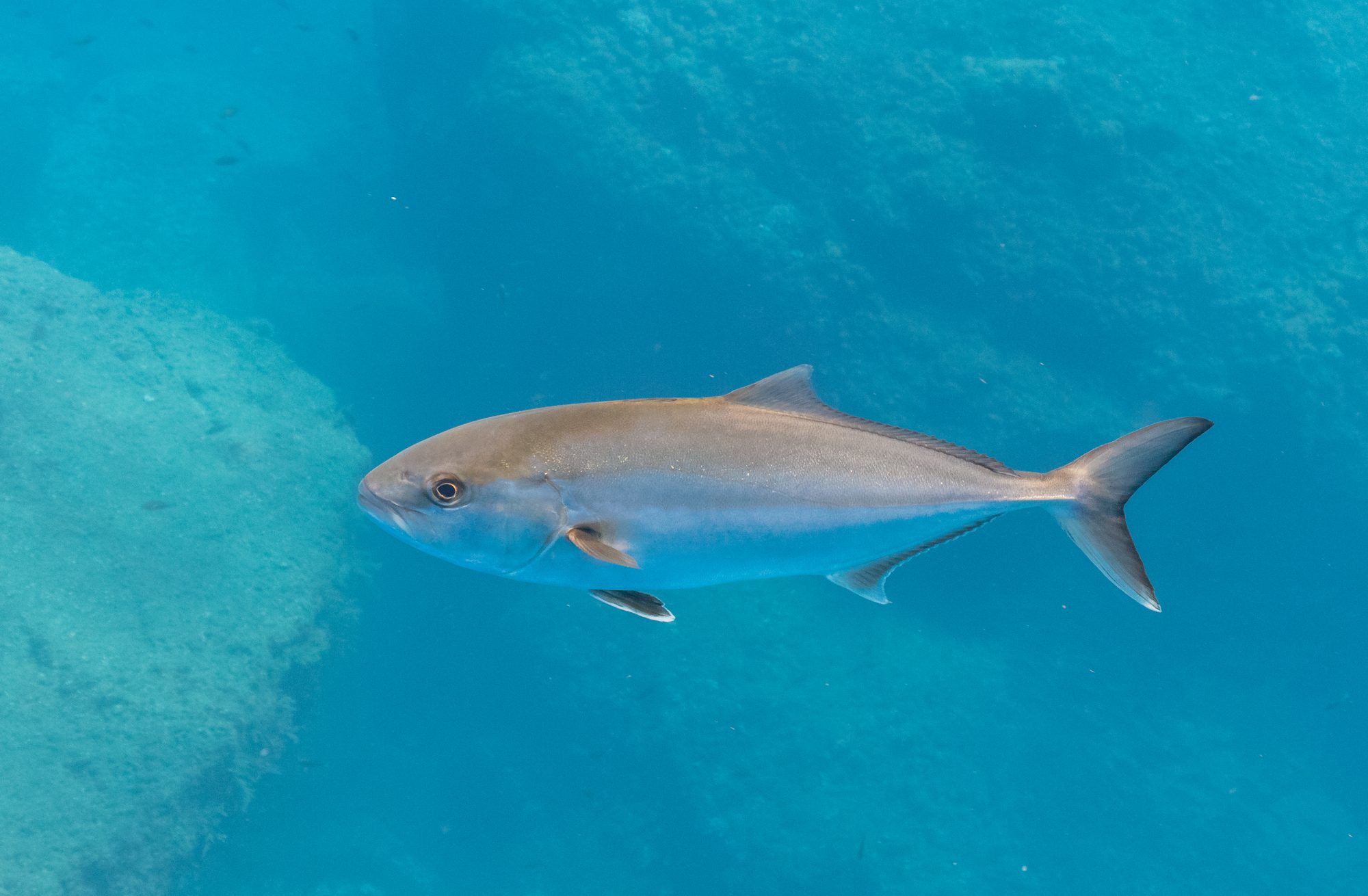
On the rocks the density changes abruptly. Fish concentrate on the structure, barracuda are reported in the water above it, and the shaded faces carry the encrusting life the meadow cannot support. The dive alternates between the two, which makes the contrast obvious in a way that few sites manage.
Underwater Landscape
Large granite rocks rising from an extensive Posidonia oceanica meadow, from around ten metres down to thirty-five. Hard substrate concentrated in discrete outcrops; seagrass and sand between them.
Why It’s Special
- 01
Granite outcrops standing isolated in an extensive *Posidonia* meadow — a clear, legible habitat boundary
- 02
Sheltered from the mistral, which makes it one of the most reliably diveable sites in the sector
- 03
Archaeological material of several periods reported on this ground
- 04
Barracuda reported over the shoal
Marine Life
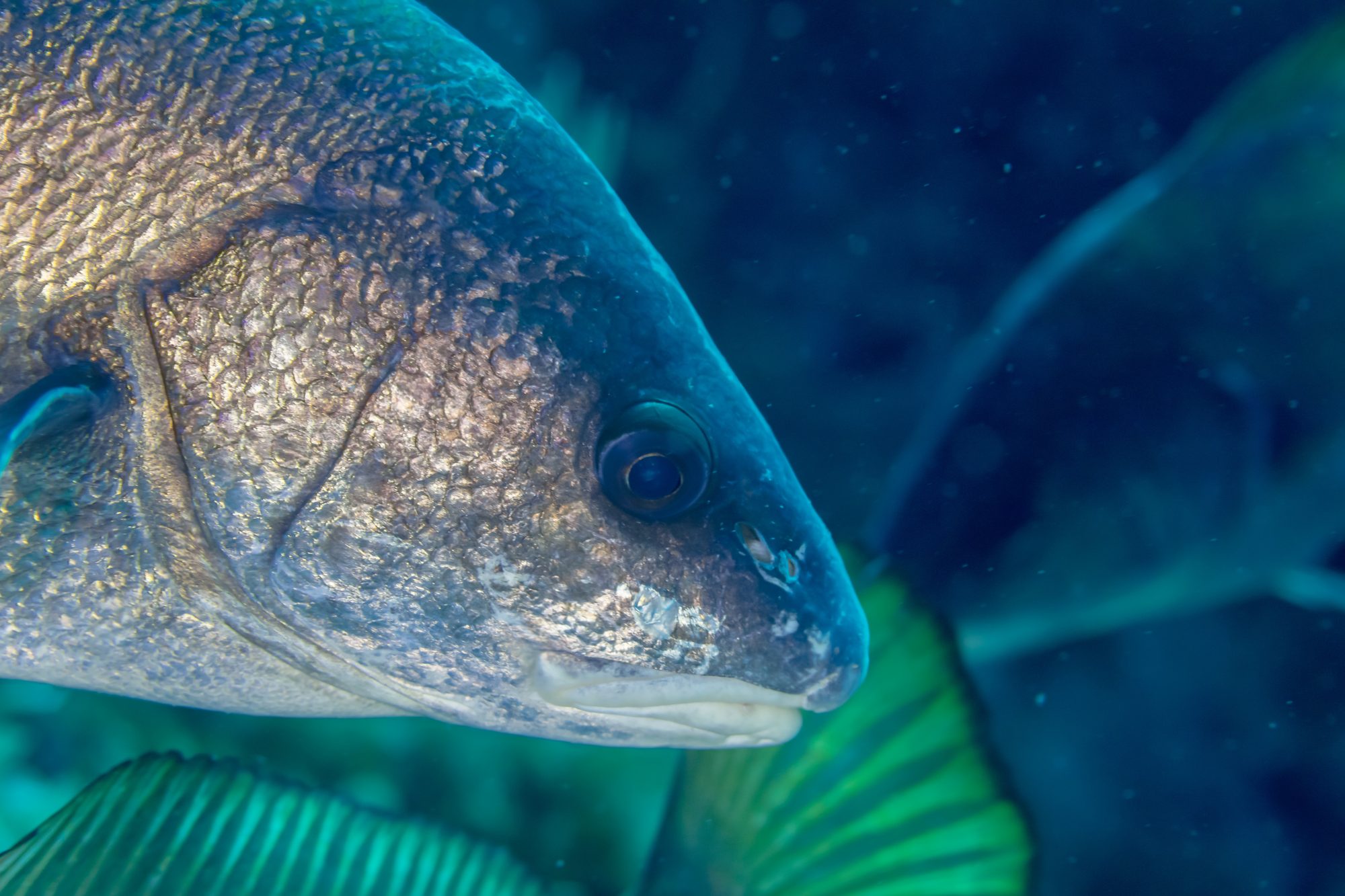
Barracuda are reported over the shoal. Seabream, damselfish, wrasse, moray, octopus and grouper on and around the rocks, with the small cryptic fauna of the seagrass canopy between them.
Flora & Benthic Life
Posidonia oceanica meadow — a protected Mediterranean seagrass and one of the most important habitats in this sea, sheltering a very large proportion of its species. Encrusting sponges, bryozoans and benthic communities on the shaded rock faces.
Best Conditions
Sheltered from the north-west, which makes it the natural choice on a mistral day. Current is generally weak. Visibility over seagrass is often better than over sand because the meadow binds the sediment.
Photography
The distinctive image here is the habitat edge: the seagrass canopy in the foreground with granite rising behind it. Few sites give you two such different environments in one frame. Wide angle at a low angle, close to the canopy. Do not lie on the meadow to get it.
DCC Tip
Spend five minutes over the meadow before you go to the rocks. Everyone swims straight for the granite because that is where the fish are obviously concentrated, and in doing so they cross the most biologically important habitat in the Mediterranean without looking down at it once.
Safety & Conservation
Posidonia is a protected species and the meadow is a priority habitat: never kneel, stand, anchor or drag equipment on it, and keep fin strokes high above the canopy. Archaeological material of any period is protected — look, don't touch. Nothing is to be moved or removed, and any discovery is left in place and reported. Depth on the outer rocks accumulates gradually; the profile is planned before entry. Access is subject to current protected-area regulations and daily operational conditions.